UNC Asheville rallies in second half, defeats UNCG 82 to 77
UNC Asheville overcame UNC Greensboro with a decisive second half on December 2, winning 82 to 77, handing the Guilford County team a close loss that will shape early season momentum. The game highlighted standout performances, heavy minutes for key players, and questions about roster depth and student athlete health that matter to local fans and university communities.

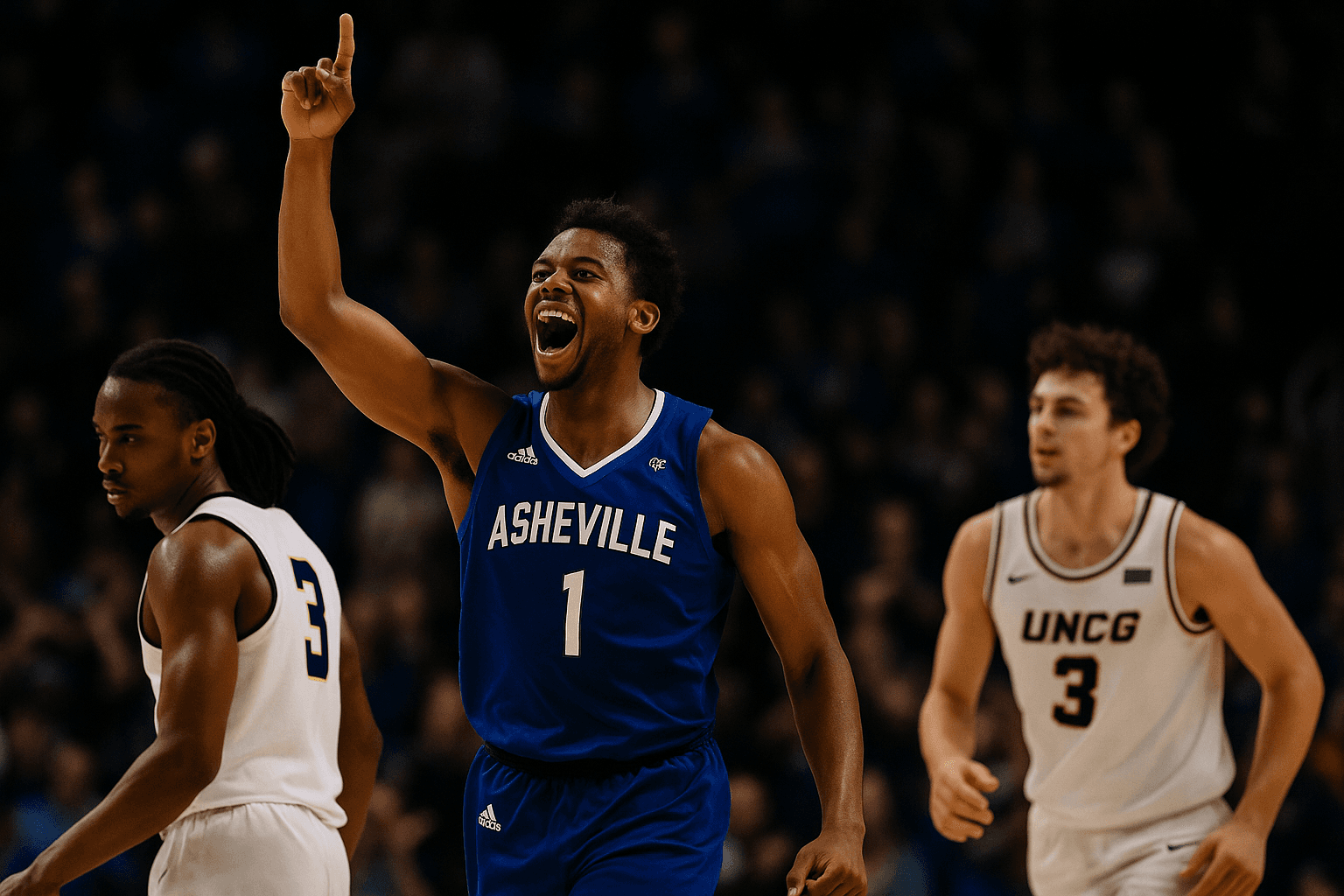
UNC Asheville staged a second half surge to beat UNC Greensboro 82 to 77 on December 2. After a back and forth first half in which UNCG led at times, Asheville opened the second half on a 9 to 0 run and extended its advantage through defensive adjustments and strong inside play. The Bulldogs protected a late lead to secure the victory.
Toyaz Solomon led Asheville with 20 points, while DJ Patrick logged all 40 minutes and added 19 points. Patrick's full game presence underscored both his endurance and the heavy reliance on primary ball handlers and defenders in close contests. UNCG kept the game competitive through much of the first half but was unable to counter Asheville's second half momentum.
For Guilford County the game carried more than scoreboard significance. UNCG represents the local university and its basketball results influence campus morale, student activities, and the downtown economy on game nights. Close contests like this one draw community attention and offer young athletes in Guilford County role models while also highlighting the pressures on college players to perform extensive minutes.
The contest also raises questions about player workload and institutional support for athlete health. When a player logs an entire game, it prompts coaches, athletic departments, and campus health services to consider recovery protocols, access to sports medicine, and mental health resources for student athletes balancing academics and high level competition. Those issues intersect with broader concerns about equity in college sports, including how resources are allocated across programs and how smaller schools manage depth and injury risk.
The result will influence early season narratives for both teams as they seek consistency and prepare for upcoming conference play. Local fans and community stakeholders will be watching how coaches adjust rotations and how athletic departments prioritize player health and community engagement. The game was a reminder that college sports in Guilford County matter on the court and in the wider community.