Union County to Add Mosquito Borne Disease Program Coordinator Position
Union County announced plans to create a mosquito borne disease program coordinator to strengthen surveillance, prevention planning and public outreach for mosquito borne illnesses. The move aims to improve coordination with state and regional public health partners, and it could change how the county prevents and responds to mosquito related threats.
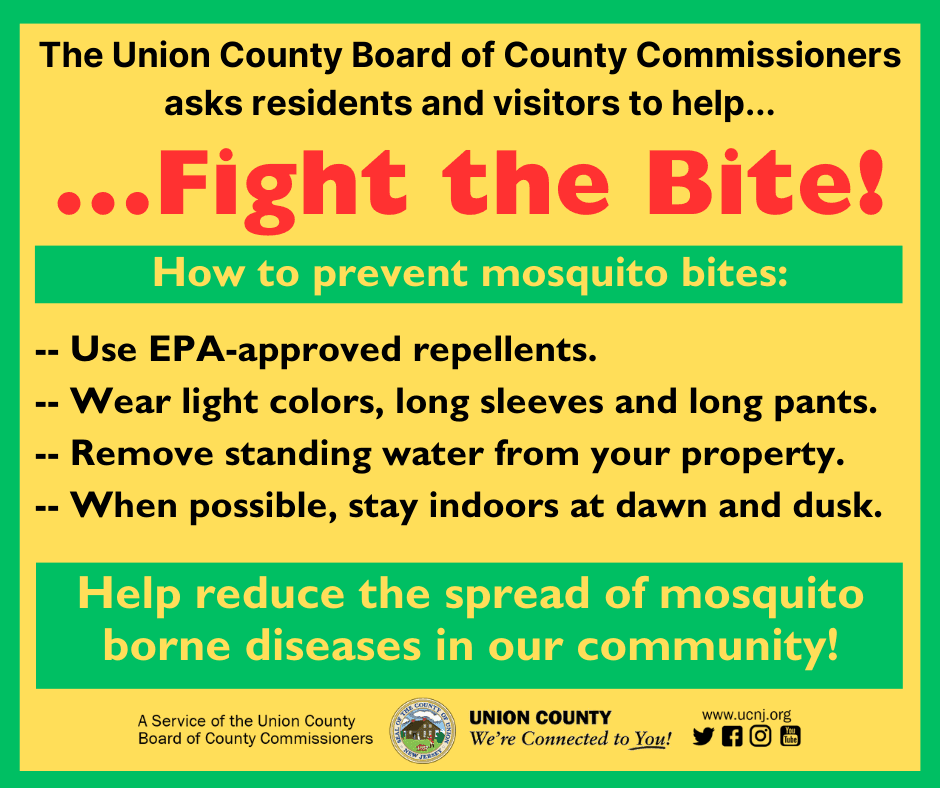
On December 9, 2025, Union County unveiled plans to add a mosquito borne disease program coordinator to the county workforce, a step county leaders say is intended to bolster local surveillance, prevention planning and public outreach related to mosquito borne illnesses. The position will serve as a central point of contact for tracking mosquito activity, shaping prevention strategies and communicating risks and prevention measures to residents.
The coordinator will also work closely with state and regional public health partners to align local surveillance with broader monitoring efforts and to ensure responses are informed by the latest epidemiology. By integrating county level information with state resources, officials expect faster detection of emerging threats and more coordinated deployment of prevention measures across municipal and rural areas.
Public health experts say stronger surveillance and outreach can reduce illness and target interventions, particularly in communities with limited access to health care and in neighborhoods that have historically received less public investment. The new position is intended to prioritize community engagement, education on reducing mosquito habitat, and targeted outreach to populations most at risk for severe disease.

Funding and implementation remain the next steps. County leaders plan to identify funding sources and finalize the job description before moving to recruitment and hiring. The timeline will depend on budget approvals and coordination with state funding streams, but officials indicated the position is a priority for the coming year. In the interim, existing public health staff will continue routine surveillance and vector control activities while the county transitions to the new model.
For residents, the change could mean clearer, more timely information about mosquito activity and prevention options, expanded education campaigns, and more consistent coordination with state health agencies during seasons of high mosquito activity. It also signals a shift in policy toward building local capacity for vector borne disease prevention rather than relying solely on episodic responses. As the county moves forward, equity driven outreach and accessible communication will be critical to ensure all communities benefit from strengthened surveillance and prevention efforts.
Sources:
Know something we missed? Have a correction or additional information?
Submit a Tip