United States Poised to Permit Nvidia H200 Chip Exports to China
The Biden administration is prepared to allow exports of Nvidia H200 AI accelerators to China, a step that aims to thread a narrow policy needle between economic competition and national security. The decision could reshape global AI hardware flows, affect markets and influence how Washington manages strategic technology limits with Beijing.

The United States Commerce Department is prepared to permit exports of Nvidia H200 artificial intelligence accelerators to China, according to a person familiar with the matter who spoke to Reuters. The potential easing comes after high level talks between United States and Chinese officials and represents a calibrated approach to the wider question of how far Washington will restrict cutting edge AI hardware sales to its strategic competitor.
Nvidia shares rose on the news, reflecting investor expectations that broader access to China’s massive data center market could bolster the company’s revenue. The H200 is part of Nvidia’s Blackwell series of accelerators, and allowing shipments of that model would be seen by analysts as a compromise between permitting the company’s latest chips and maintaining tighter controls on the most advanced systems. Administration officials view the measure as a middle path intended to reduce the risk of broad technology transfer while avoiding a complete cutoff of advanced compute from Chinese firms.
Any change in policy is subject to final approval through internal review at the Commerce Department and the White House. The matter sits at the intersection of trade policy, national security and industrial strategy. Officials must weigh the potential benefits to American firms and the wider technology ecosystem against concerns that advanced AI accelerators could be repurposed for military applications or other sensitive uses.
Export controls have been a central tool in the United States effort to slow competitive advances in AI and related fields. Since 2022, Washington has progressively tightened rules targeting specific hardware and related software. The possible authorization for H200 shipments would not abolish restrictions, but it would recalibrate them. For companies in the United States and allied markets, the move could provide clearer rules for selling sophisticated chips while preserving broader guardrails.
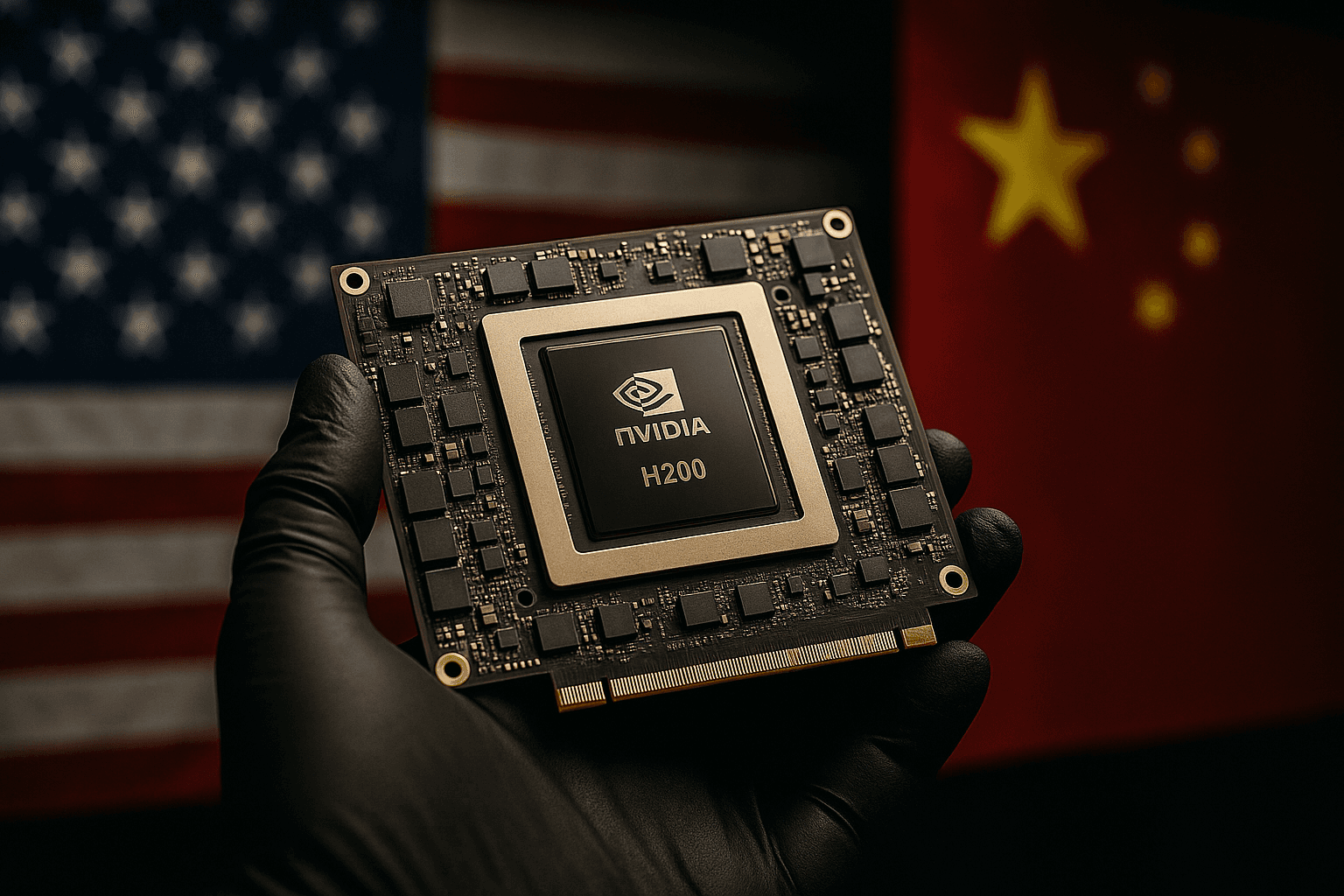
For China, access to the H200 would ease pressure on its domestic AI development efforts and supply chains. Chinese cloud providers and research institutions have been active buyers of foreign accelerators to train large language models and other AI systems. Greater access to Nvidia hardware could accelerate those projects and reshape competition in AI capabilities between the two countries.
Experts say the decision will be watched closely by allies and rivals. Export policy sets a precedent for how technological boundaries are enforced in an era when commercial components can serve both civilian and military ends. The United States will have to balance economic interests, including jobs and corporate competitiveness, with strategic concerns about how advanced compute diffuses across borders.
The Commerce Department and the White House have not made a final public announcement. The deliberations underline the delicate diplomacy involved in technology governance and the growing recognition that export controls alone cannot fully insulate national security from rapid technological change. As Washington finalizes its position, markets and policymakers in Beijing will be reexamining plans for procurement and investment in the weeks ahead.