University Extension launches hybrid Master Gardener training in Jacksonville
The University of Illinois Extension announced a hybrid Master Gardener course starting Feb. 3; local residents can train to support gardens, schools, and community food programs.
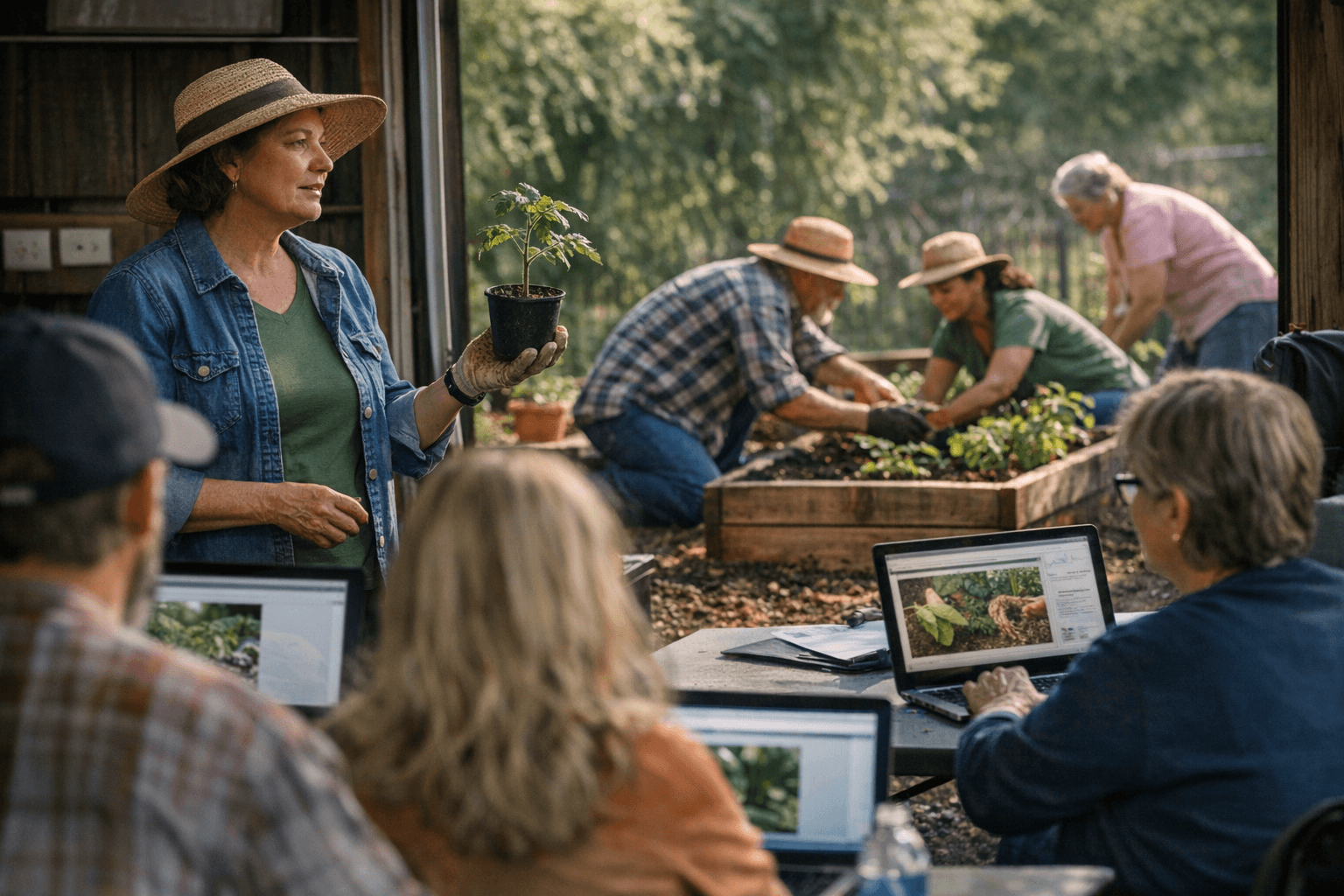
The University of Illinois Extension announced a hybrid Master Gardener training program for 2026 that combines 12 weeks of online instruction with weekly in-person sessions at the Morgan County Extension office in Jacksonville. The course, which began accepting registrations Jan. 11, is designed to offer flexible, adaptive learning for residents who want to volunteer with community gardening projects, work with schools and civic groups, or earn an Illinois Gardener certificate.
The training covers 13 modules, including vegetable gardening, soils and fertilizers, annuals and perennials, plant diseases, and integrated pest management. In-person sessions are scheduled for Tuesdays from 9 a.m. to noon beginning Feb. 3. Registration is $150 and remains open through Jan. 23. Graduates may pursue Master Gardener volunteer placements or opt for an Illinois Gardener certificate to deepen horticultural skills.
For Morgan County, the program carries practical public health and equity implications. Community gardens and school-based horticulture programs are proven to increase access to fresh produce, support healthier diets, and create opportunities for hands-on education. Training local volunteers expands the county’s capacity to sustain those efforts, especially in neighborhoods where grocery access and nutrition education are limited. The curriculum’s emphasis on soils, pest management, and vegetable production equips volunteers to improve yields and reduce chemical exposures, which can benefit soil health and resident well-being.
Beyond food, the program can strengthen social supports and mental health through community engagement. Volunteer-led horticulture outreach creates intergenerational learning opportunities in Jacksonville, offers after-school enrichment for students, and builds neighborhood connections that matter during public health emergencies and everyday life.
At $150, the course is more accessible than many professional programs, but cost and transportation to weekday morning sessions could still be barriers for some would-be volunteers. Local nonprofit partners, schools, and municipal programs may want to consider sponsoring trainees from low-income neighborhoods to ensure the volunteer pipeline reflects Morgan County’s diversity.
The program’s hybrid format also opens the door for caregivers, retirees, and working residents to participate without giving up daytime commitments. Those interested should register through the University of Illinois Extension before the Jan. 23 deadline to secure a spot for the Feb. 3 start.
The takeaway? If you care about fresher food on the table, greener schoolyards, or stronger neighborhood ties, this is a practical way to get trained and give back. Our two cents? Talk with your neighbors about sharing travel to Tuesday sessions or ask local groups to underwrite a spot for someone who would otherwise be left out.
Sources:
Know something we missed? Have a correction or additional information?
Submit a Tip