University Museum Announces Visitor Service Plans for Rowan Oak and Museums
The University of Mississippi Museum and Historic Houses operates a complex of cultural sites in Oxford, including the Mary Buie Museum, the Kate Skipwith Teaching Museum, and William Faulkner’s Rowan Oak, and is advancing plans to upgrade visitor services. The initiative, which includes fundraising for a visitor/arrival center and interpretation improvements, carries implications for local tourism, education programs, and preservation of historic assets in Lafayette County.
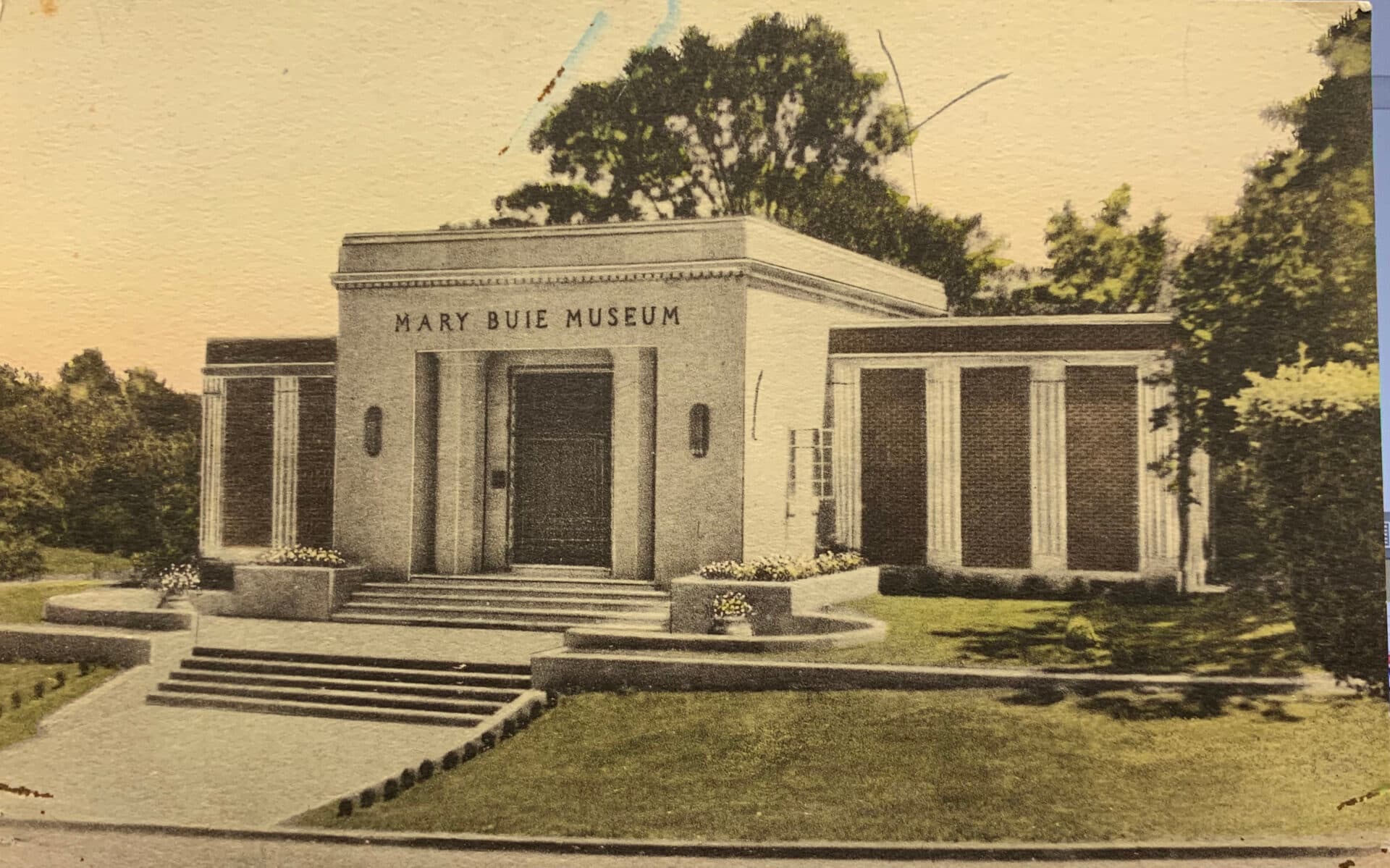
The University of Mississippi Museum and Historic Houses oversees a network of institutions that together play a central role in Oxford’s cultural life. The complex includes the Mary Buie Museum, the Kate Skipwith Teaching Museum, and Rowan Oak, William Faulkner’s preserved home situated on 33 acres south of the Oxford Square. The museums maintain collections spanning Southern folk art, Greek and Roman antiquities, 19th-century scientific instruments, and American art, and present rotating exhibitions alongside a suite of educational programs.
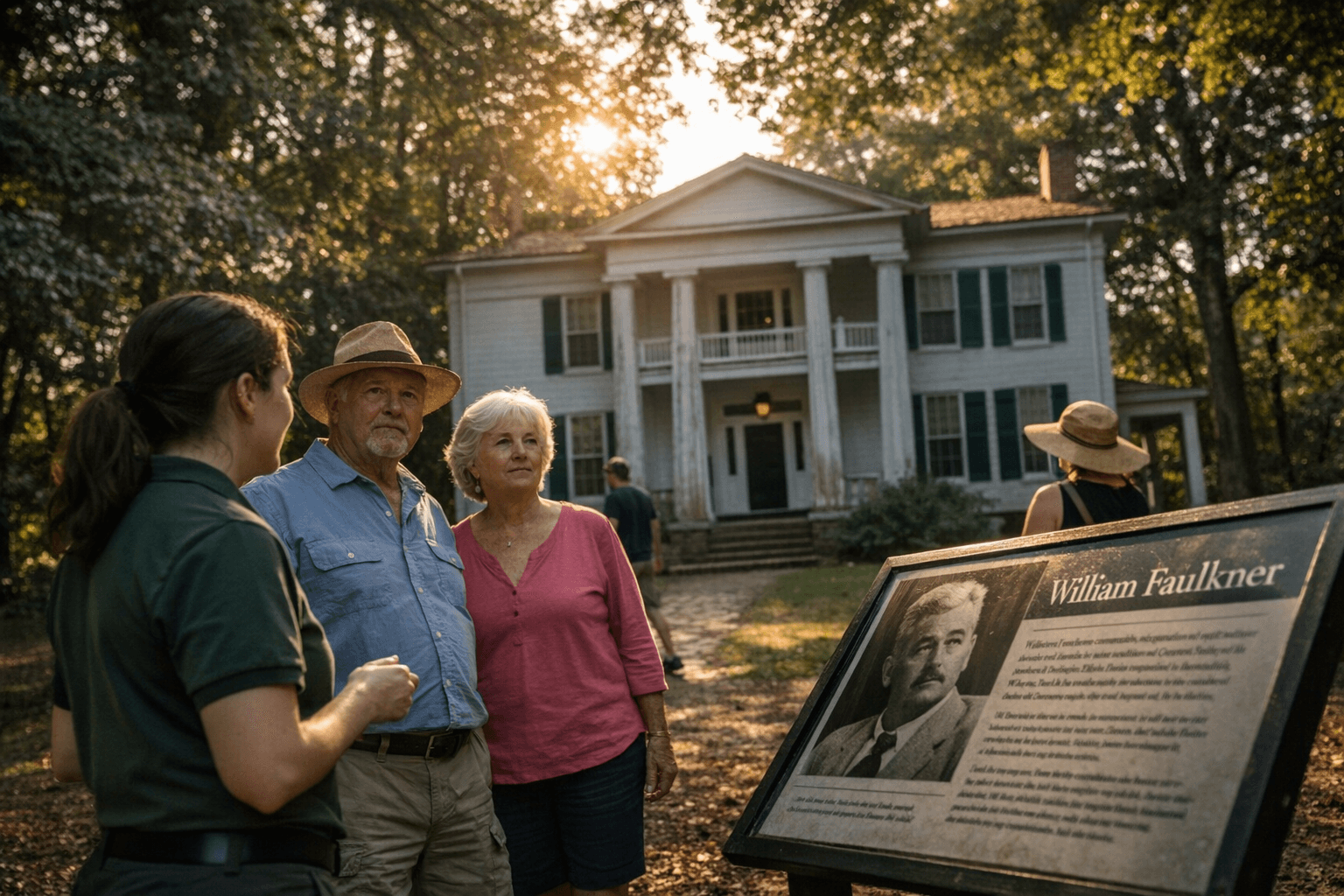
Rowan Oak functions as both a literary landmark and an active site for interpretation and tours. The museum coordinates tours and educational programming across the complex and is pursuing plans and fundraising to strengthen visitor services. Planned improvements include a visitor/arrival center and upgrades to interpretation aimed at enhancing on-site learning and visitor orientation. Those efforts reflect institutional priorities around preservation, access, and experience design for residents and visitors alike.
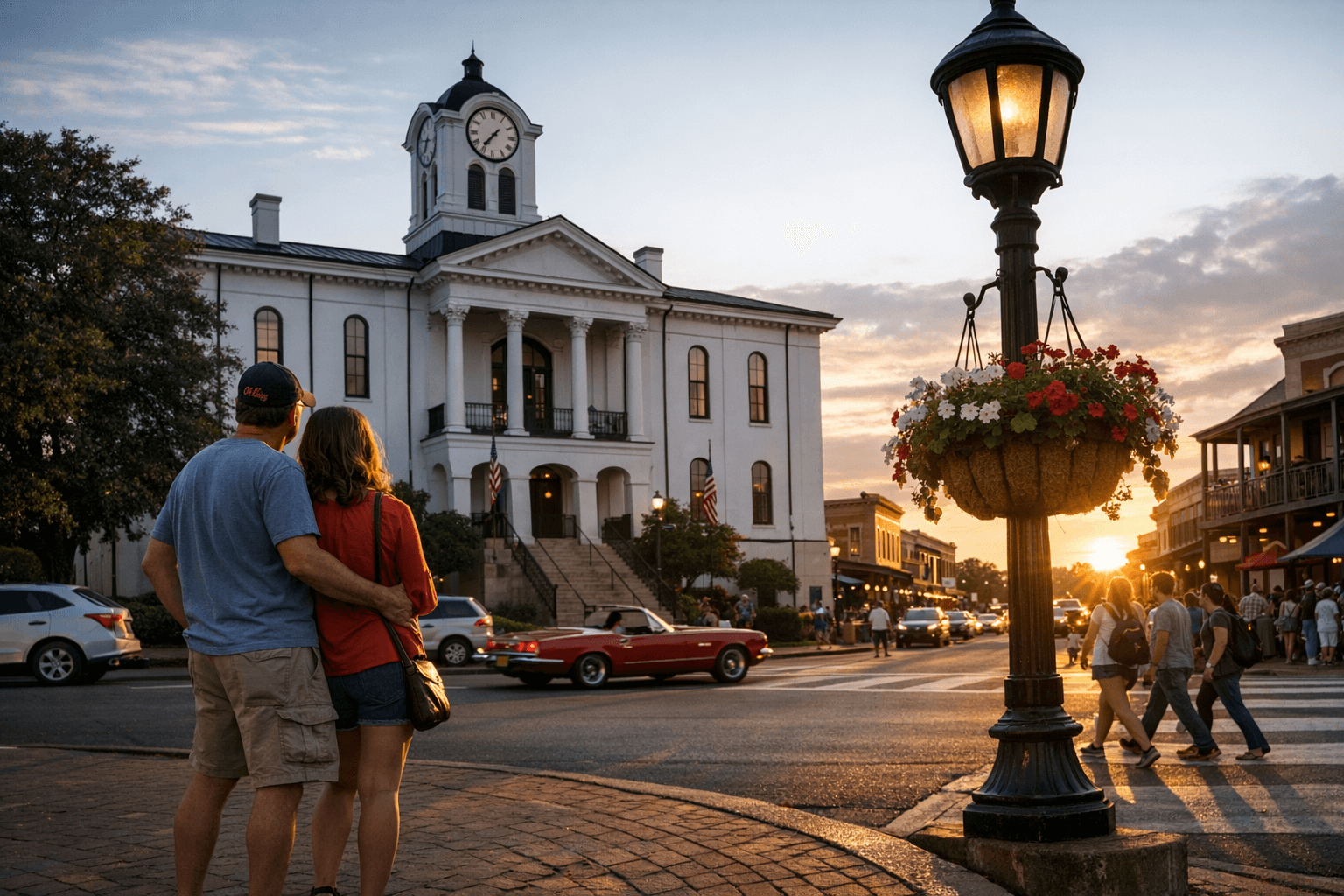
For Lafayette County, the museum complex is more than a set of exhibits; it is an economic and civic asset. Enhanced visitor services at Rowan Oak could increase foot traffic to Oxford’s downtown, supporting local businesses and expanding opportunities for cultural tourism. Expanded programming and improved interpretation can also deepen educational partnerships with local schools and community groups, providing resources for classroom instruction and lifelong learning.
The proposed upgrades carry practical considerations for local stakeholders. Increased visitation will likely raise questions about parking, traffic, accessibility, and the long-term stewardship of historic landscapes. Fundraising for capital improvements places institutional decisions about priorities and donor influence in focus; community input and transparency around planning and funding timelines will influence public support and the project’s ultimate success.
The museum complex serves as an active resource for residents seeking historical context, visiting information, and educational opportunities. Residents should consult the museum’s visitor information and institutional contacts for current hours, tour schedules, and program details. As plans proceed, civic engagement and clear communication between the museum, local government, and the public will shape how these cultural investments affect Lafayette County’s economy, heritage preservation, and educational landscape.
Sources:
Know something we missed? Have a correction or additional information?
Submit a Tip