UNM Pharmacy Alumni Expand Care in Northern New Mexico
Beginning December 1, 2025, alumni from the University of New Mexico College of Pharmacy began delivering primary and clinical pharmacy services across rural northern New Mexico, targeting areas that lack regular clinic access. Their work fills critical gaps in chronic disease management, medication therapy management, and clinic support, offering concrete benefits to Sandoval County residents who face limited local healthcare options.
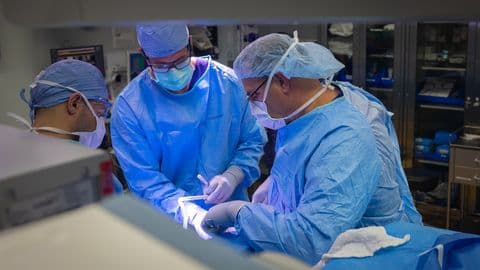
Alumni from the University of New Mexico College of Pharmacy have moved into underserved communities in northern New Mexico to provide primary and clinical pharmacy services where clinic access is limited or sporadic. The initiative places pharmacists and clinical pharmacy practitioners directly in settings that otherwise have difficulty staffing consistent medical care, allowing them to manage chronic conditions, perform comprehensive medication therapy management, and support small local clinics with clinical expertise.
These practitioners are operating in towns and health centers that routinely see patients travel long distances for routine care, and they are helping to reduce those burdens by offering medication reviews, monitoring for drug interactions, adjusting therapies in collaboration with local providers, and educating patients about safe and effective medication use. The presence of pharmacy trained clinicians also strengthens local clinic capacity by freeing physicians and nurse practitioners to focus on acute and complex cases.
For Sandoval County residents this means more reliable access to hands on medication management for conditions such as diabetes, hypertension, and chronic lung disease, and a potential reduction in avoidable emergency visits and hospital readmissions related to medication problems. Local clinics benefit from added clinical staff and from the continuity of care that pharmacists provide when they follow patients across multiple visits.
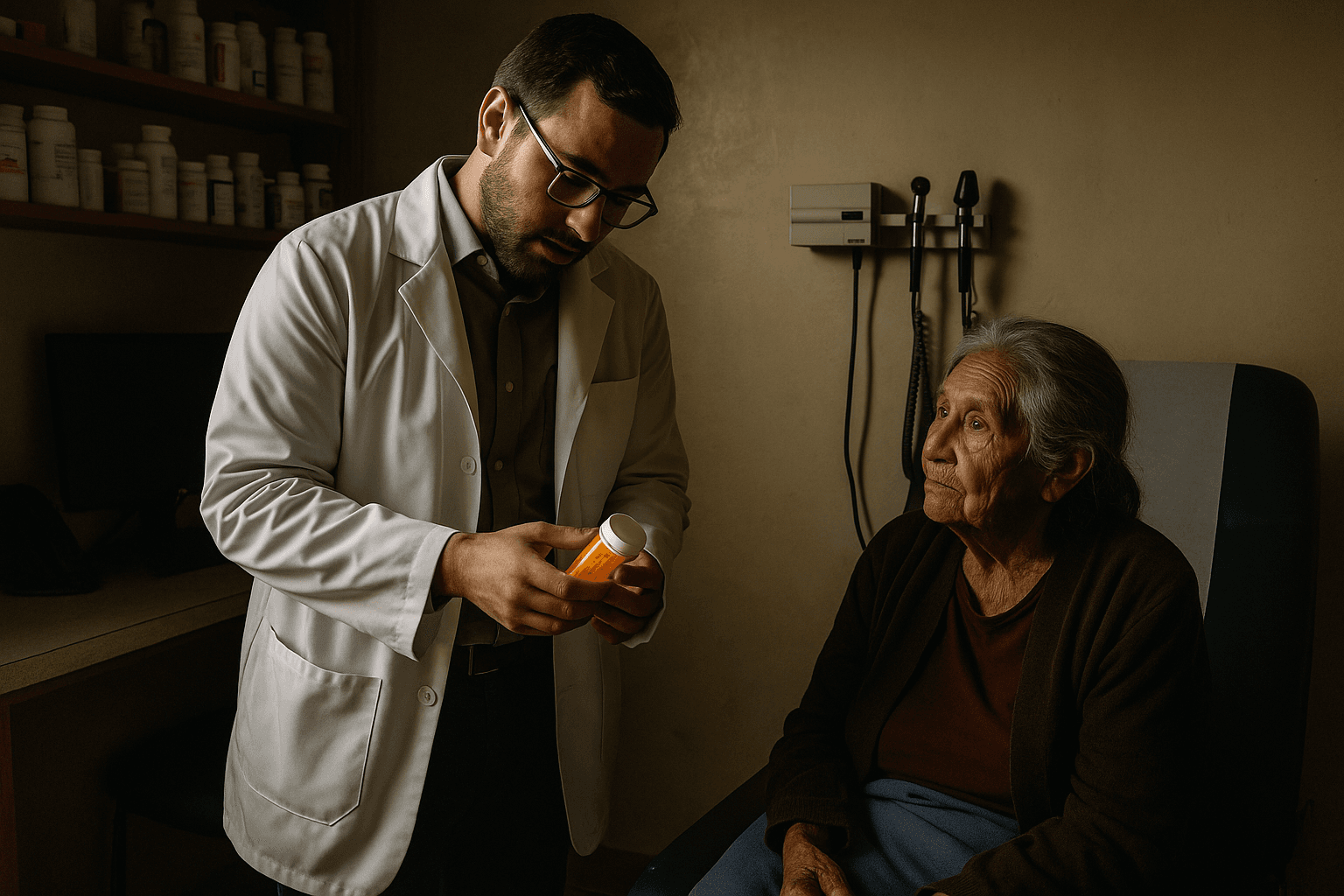
The work by these alumni also highlights the persistent workforce and access challenges facing rural New Mexico. Shortages of primary care clinicians, geographic barriers, and limited transportation options contribute to gaps that pharmacy professionals are uniquely positioned to mitigate as part of integrated care teams. Expanding clinical pharmacy services offers a practical, evidence based approach to strengthening rural health infrastructure while addressing immediate patient needs.
As this model develops, residents seeking more information should inquire at their local clinics about available pharmacy services and how clinical pharmacists can assist with chronic disease management and medication questions. Continued collaboration among educational institutions, health systems, and community clinics will be essential to sustain and scale these services across northern New Mexico.