Unseasonably Warm Weather Could Break December Records in Baker County
The National Weather Service is forecasting highs of 55 degrees at the Baker City Airport on Wednesday and Thursday, December 10 and 11, which would break the daily high for December 10 and tie the December 11 record. The forecast matters for residents because temperatures far above the seasonal average and widespread rain early in the week can affect travel, water management, and winter services across the county.
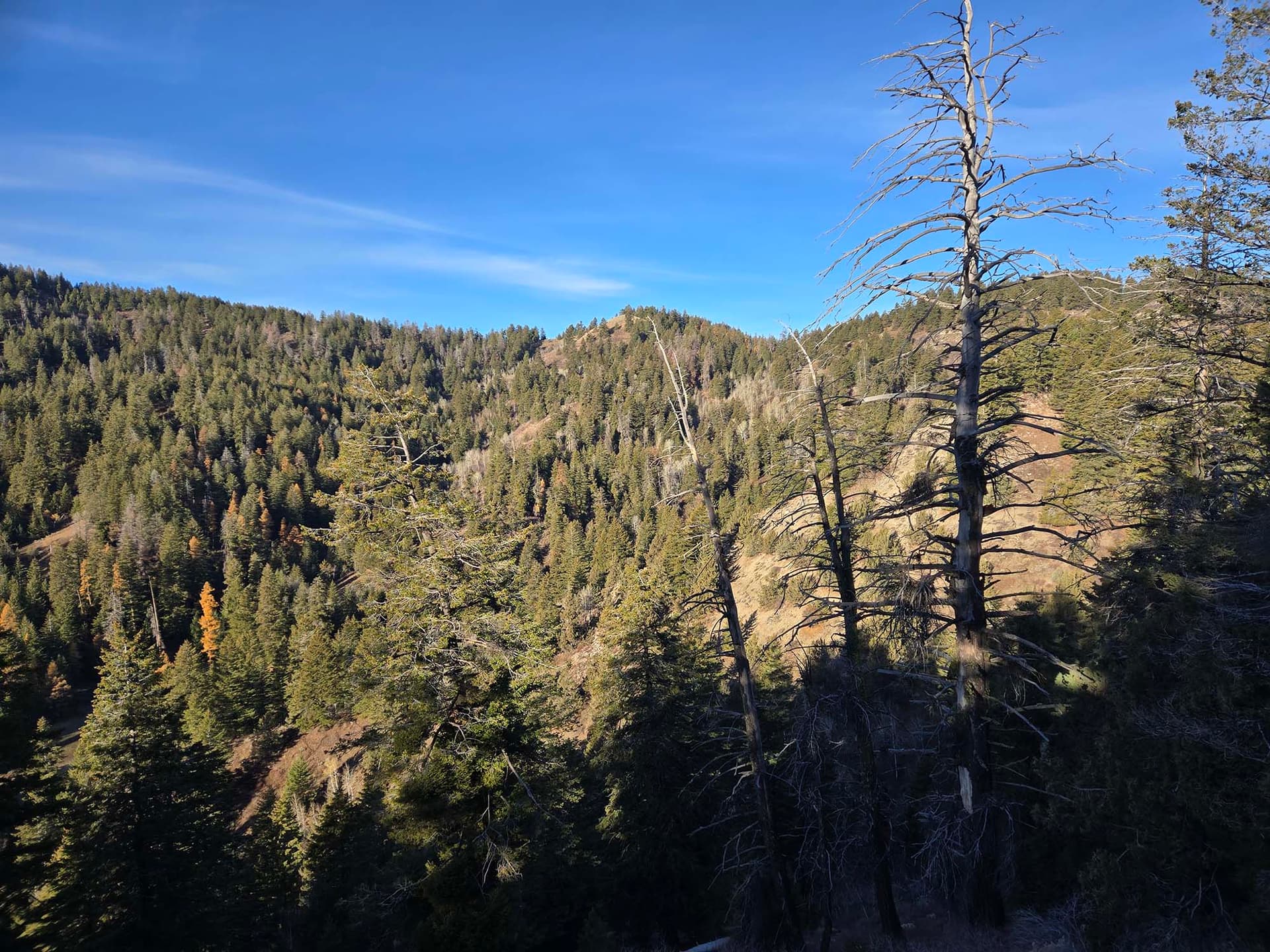
The mild weather pattern that has dominated Baker County this fall could produce historic December readings later this week, according to forecasts. The National Weather Service is predicting high temperatures of 55 degrees at the Baker City Airport on Wednesday and Thursday, December 10 and 11. If realized, that would exceed the daily record high of 53 degrees for December 10 set in 2014, and match the December 11 record of 55 set in 1995.
Airport records at the Baker City site extend back to 1943, and the warmest December day on record is December 12, 1995, when the high reached 60 degrees. By comparison the average high for the second week of December is 36 degrees. The warmest day so far this month at the airport was Saturday December 6, when the high was 51 degrees, short of the December 6 record of 54 set in 1987.
Forecasters say the current pattern has repeatedly funneled relatively mild air from the south and west into eastern Oregon. Cold air from Canada that can drive temperatures well below zero has instead been shunted east of the Continental Divide by upper level winds. The National Weather Service indicates this balmy pattern will persist for at least the coming week, and that widespread rain is likely early in the work week.

For local residents the implications are immediate. Warmer daytime highs can reduce near term heating demand but complicate winter road maintenance and ski area operations that rely on natural snow. Rain on top of existing snowpack can accelerate melt and change runoff timing for streams and rivers, which affects water managers and can raise localized flood concerns in low lying areas. Wet roads and temperatures hovering around freezing overnight raise the potential for variable travel conditions.
County road and emergency services traditionally monitor such transitions closely. Residents should monitor local forecasts and be prepared for a mix of rain and mild temperatures that could shift quickly if the broader upper level pattern changes. The possibility of record level warmth in early December underscores how transient weather regimes can be this season and the need for community preparedness across municipal and agricultural sectors.


