U.S. Buys Six Boeing 737s for ICE Deportation Flights
The Department of Homeland Security signed a nearly $140 million contract to acquire six Boeing 737 aircraft for U.S. Immigration and Customs Enforcement removal flights, a purchase that shifts the agency from charter reliance to an owned fleet. The move raises operational, fiscal, and political questions about cost effectiveness, funding sources, and the long term implications for deportation capacity.
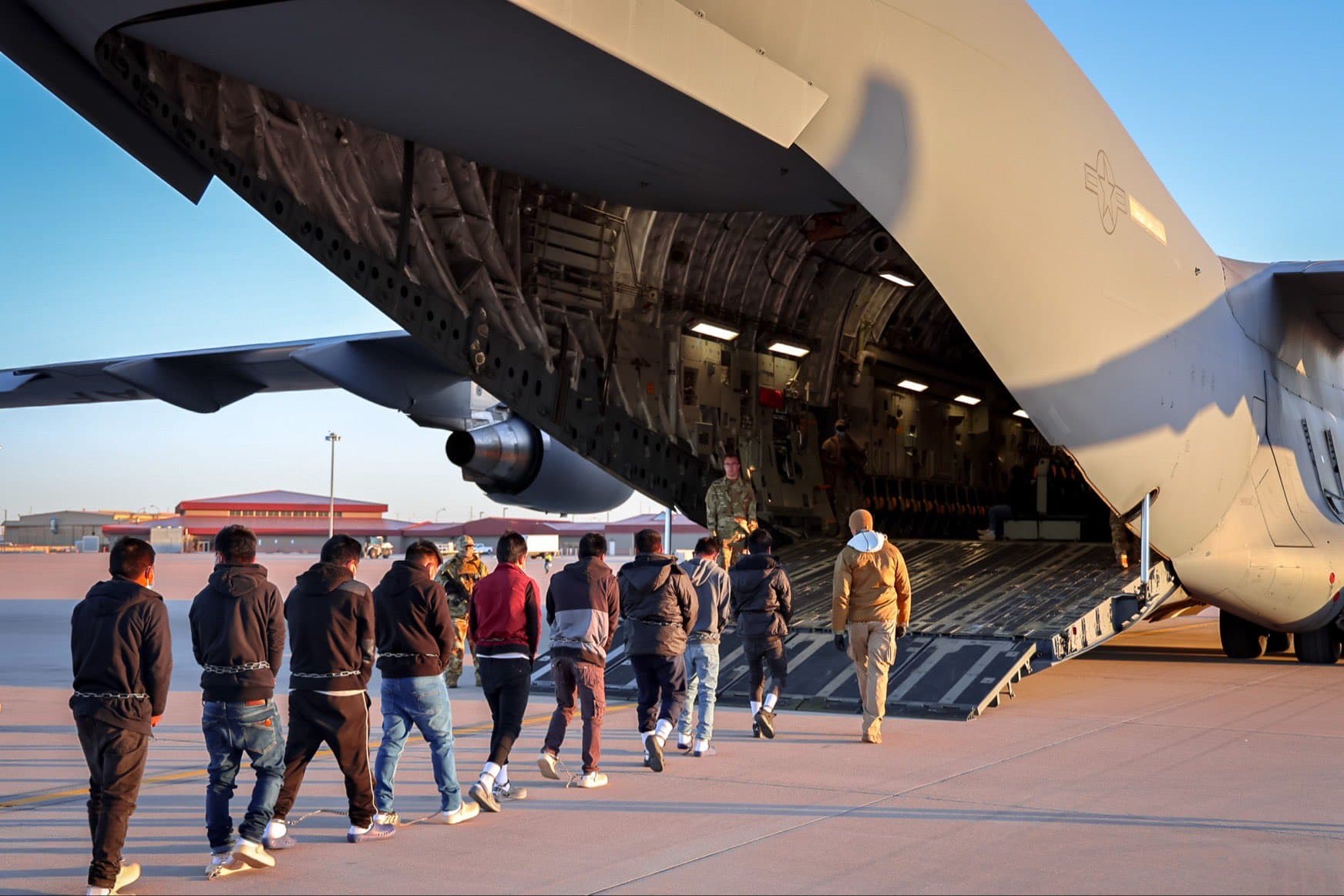
The Department of Homeland Security on December 10 finalized a contract worth nearly $140 million to acquire six Boeing 737 aircraft for use in immigration removal flights operated by U.S. Immigration and Customs Enforcement. The agreement, with Virginia based contractor Daedalus Aviation, was first reported by The Washington Post and later confirmed by DHS to The Guardian, according to contemporaneous coverage.
DHS officials presented the purchase as an efficiency measure intended to reduce the cost of transport and to allow ICE greater operational control. Tricia McLaughlin, a DHS spokeswoman, told CNBC the initiative “will save $279 million in taxpayer dollars by allowing ICE to operate more effectively, including by using more efficient flight patterns.” That savings figure was offered by DHS and has not been independently verified in published coverage.
The acquisition marks a notable operational shift. For years ICE Air Operations has relied largely on private charter companies to move detainees domestically and to arrange deportation flights. Buying aircraft gives the agency dedicated capacity rather than episodic access to the commercial market, a change that could alter how removals are scheduled and scaled. John Sandweg, a former acting director of ICE under President Barack Obama, cautioned that the charter model “could be more cost effective,” a perspective reported by the Boston Globe.
Reporting has placed the transaction in a broader policy context. Firstpost and later outlets recalled earlier reporting from The Wall Street Journal that senior administration officials had directed ICE to consider purchasing additional 737s to expand deportation operations. TipRanks summarized reported deportation targets attributed to administration plans, noting an aim to return one million people this year and citing other reporting that about 579,000 removals have occurred so far. Those figures are drawn from secondary reporting and have not been independently confirmed in the available coverage.
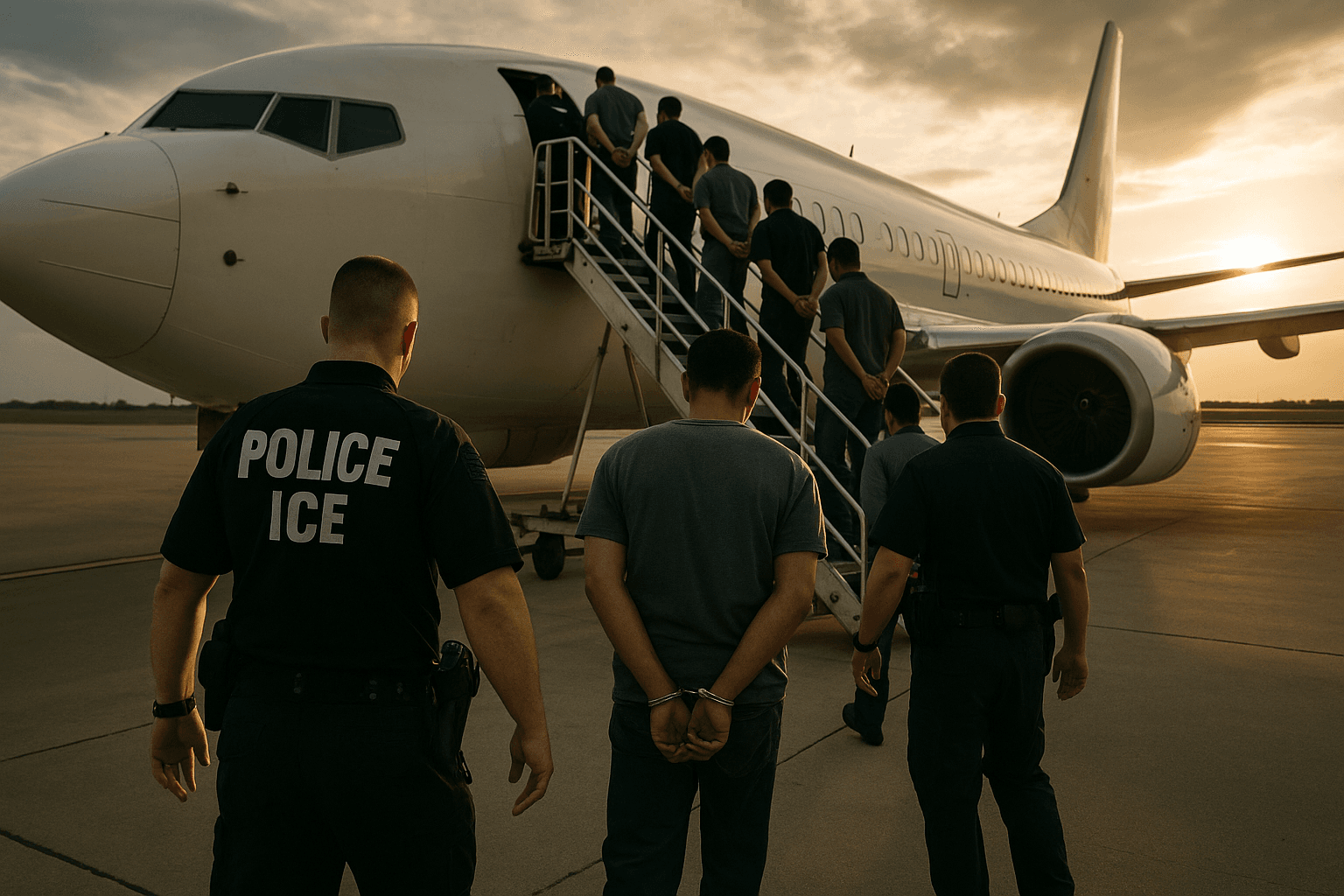
Questions about funding and future use have followed the announcement. The Independent reported that the purchase was financed from amounts inside a large domestic spending package, describing the money as drawn from funds allocated to the administration’s anti immigration agenda. The Boston Globe also noted uncertainty over what would happen to the aircraft if a subsequent administration changed enforcement priorities. The Globe reported that an individual identified only as Walters declined to comment about the contract and that his lawyer did not respond to a separate inquiry.
Legal and ethical observers have warned that owning aircraft could enable a sustained, high volume deportation program that is harder to scale back quickly. Operational analysts say key details remain unresolved, including delivery schedule, aircraft condition, maintenance arrangements, staffing, and how the new fleet will be integrated with existing charter contracts.
For accountability and transparency, public records requests for the DHS contract and follow up inquiries to Daedalus Aviation and ICE Air Operations will be essential. Independent analysis is also needed to evaluate the $279 million savings claim, to compare long term ownership costs against chartering, and to map how the acquisition may affect removal patterns and civic oversight going forward.
Sources:
Know something we missed? Have a correction or additional information?
Submit a Tip