U.S. Codifies Tariff Rules With Switzerland, Liechtenstein, Retroactive Change
The Office of the U.S. Trade Representative and the International Trade Administration filed a Federal Register notice implementing the tariff related elements of a November 2025 trade framework with Switzerland and Liechtenstein, making rate changes retroactive to November 14, 2025. The amendment to the Harmonized Tariff Schedule applies a rule of most favored nation or 15 percent whichever is higher, and it directs customs procedures for any required refunds, a move that will affect importers and customs administration.
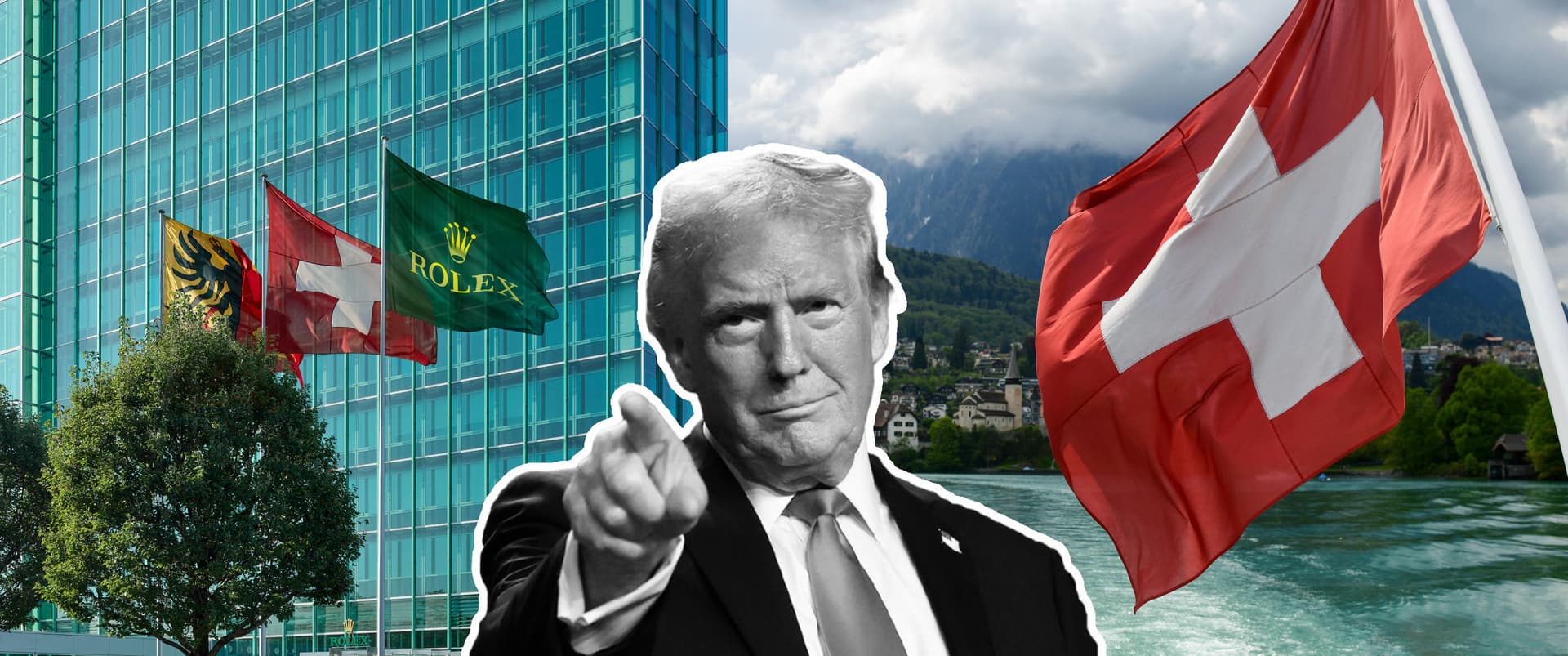
The Office of the United States Trade Representative together with the International Trade Administration at the Department of Commerce issued a public inspection Federal Register notice on December 17, 2025, scheduled for formal publication on December 18, 2025, that amends the Harmonized Tariff Schedule of the United States to implement certain tariff related elements of the United States Switzerland Liechtenstein framework agreed in November 2025. The notice runs roughly 76 pages according to professional tax advisors and records the agencies will apply the new tariff rules to goods entered or withdrawn from warehouse for consumption on or after 12:01 a.m. Eastern Standard Time on November 14, 2025.
Under the amended tariff schedule the United States will apply the higher of the most favored nation tariff rate or a 15 percent rate to goods from Switzerland and Liechtenstein. That formulation codifies a rule reported in the November framework that reduced certain previously high U.S. tariffs on Swiss products to 15 percent from levels cited in press accounts as high as 39 percent. By specifying most favored nation or 15 percent whichever is higher the amendment can produce two distinct outcomes across tariff lines. Where existing MFN rates exceed 15 percent the MFN rate will continue to apply, leaving duties unchanged. Where MFN rates are below 15 percent the new rule will raise applied duties to 15 percent, and where earlier bilateral treatment produced higher rates those may have been reduced to 15 percent in line with the framework.
The notice leaves procedural matters for U.S. Customs and Border Protection to administer. The Department of Commerce and the Federal Register entry state that to the extent implementation requires refunds of duties already collected, refunds will be processed pursuant to applicable law and standard CBP procedures. Importers and customs brokers can expect to file claims for retroactive relief for entries beginning November 14, an administrative task that may generate a sizable volume of refund requests and could prompt CBP guidance on documentation and timing.

Economically the amendment tightens the rules governing trade with two small but high value trading partners. Switzerland is a significant source of pharmaceuticals, precision instruments and specialty chemicals, and changes in applied tariffs can shift price points for U.S. importers and downstream manufacturers. The broader November framework reported separately included a pledge by Swiss companies to invest an estimated 200 billion dollars in the United States by the end of 2028, a commitment not implemented by this notice but relevant to longer term bilateral capital and supply chain dynamics.
Trade lawyers and customs specialists are expected to scrutinize the 76 page Federal Register filing to identify specific HTSUS headings affected and to advise clients on refund claims and compliance steps. The rule makes an immediate administrative impact because of its retroactivity, and it could produce mixed effects on trade flows depending on how the MFN rates compare to the 15 percent floor across tariff lines. Journalists and market participants seeking clarity will look to USTR, Commerce and CBP for follow up on the exact citation and on operational guidance for processing refunds and adjusting import practices.
Know something we missed? Have a correction or additional information?
Submit a Tip