U.S. Envoy Says Ukraine Peace Deal Really Close, Kremlin Demands Changes
U.S. Special Envoy Keith Kellogg tells a defense forum a negotiated end to the Ukraine war is "really close," but Kremlin officials say Moscow requires fundamental revisions to U.S. proposals, leaving key issues unresolved. The outcome will hinge on the status of the Donbas region and the fate of the Zaporizhzhia nuclear power plant, decisions that carry major policy and political consequences for Kyiv, Moscow, and Western backers.
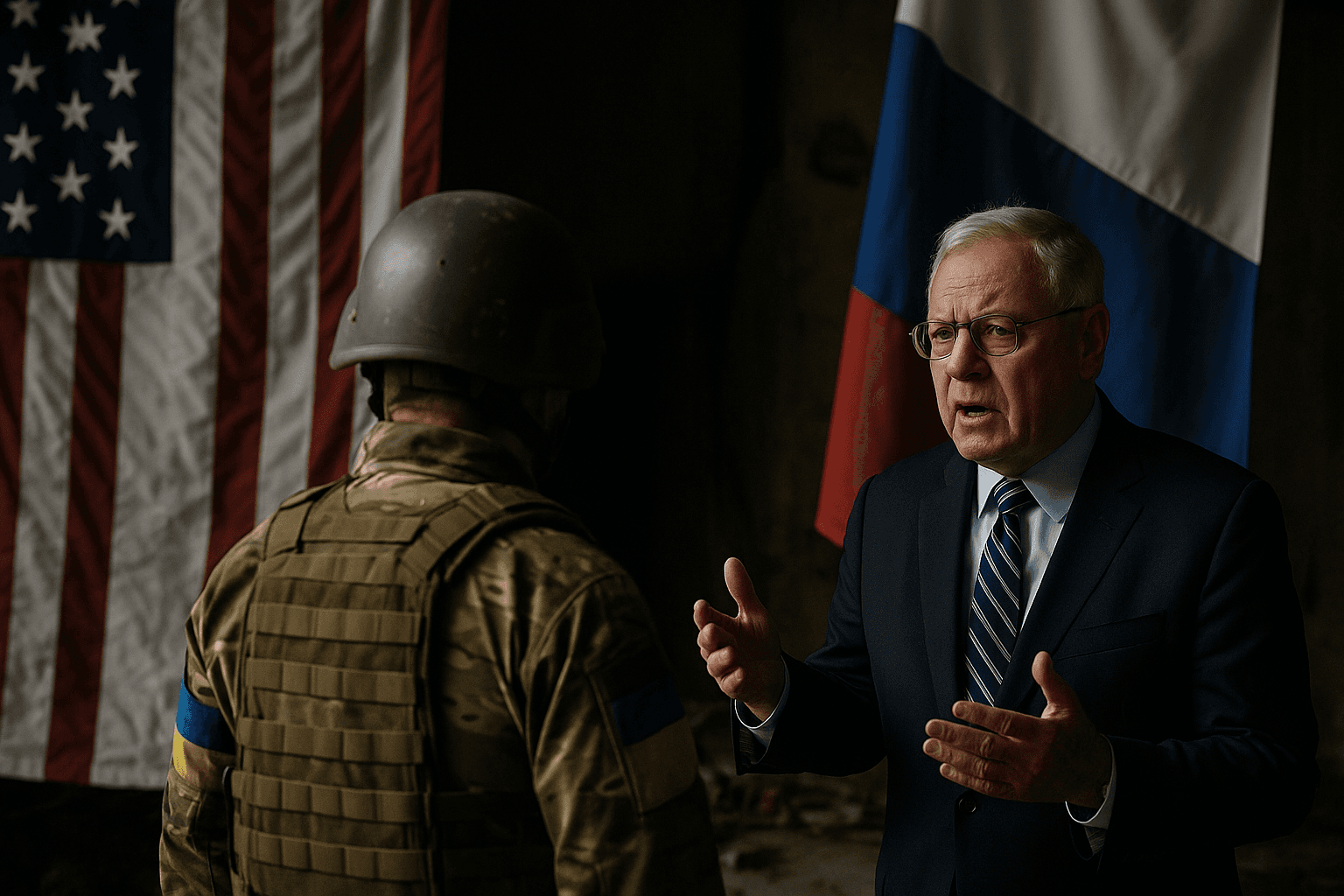
U.S. Special Envoy for Ukraine Keith Kellogg says a deal to end the war in Ukraine is "really close," but he cautions substantial hurdles remain after the Kremlin signaled it wants radical changes to some U.S. proposals. Speaking at the Reagan National Defense Forum on December 7, Kellogg identified two core sticking points, the future of the Donbas region and the fate of the Zaporizhzhia nuclear power plant, which is under Russian control. He said if those were resolved "the rest of the things will work out fairly well." He described negotiators as being "in the last 10 metres" of talks.
Kremlin officials countered that more fundamental revisions are necessary. The public divergence between the U.S. envoy and Moscow exposes the gap between an apparent negotiating endgame and the political and technical depth of choices that any settlement would require. That gap complicates next steps, including verification mechanisms, security guarantees, and the domestic ratification processes in Kyiv and in allied capitals.
The Donbas question is both territorial and constitutional. Any formula for the region's future must navigate Ukrainian sovereignty, local governance arrangements and guarantees against renewed hostilities. International observers and Western governments will press for enforceable safeguards, yet Kyiv faces domestic political constraints. Concessions on territorial status could provoke sharp public and parliamentary opposition, eroding political support for leaders who accept terms seen as ceding national soil.
The Zaporizhzhia nuclear plant adds a distinct and urgent layer. Its operational safety under de facto Russian control has been a concern since fighting moved onto the site. Resolving the plant's status would likely require robust international monitoring and legally binding arrangements to secure staff, infrastructure and emergency access. Nuclear regulators and the international community are likely to demand clear guarantees and oversight as part of any deal to prevent catastrophic risks and to reassure Western publics that safety is assured.
High level U.S. engagement has intensified of late, with recent meetings between U.S. envoys, Ukrainian negotiators and Russian officials. Those contacts have concentrated on drafting text and aligning security arrangements, but the Kremlin insistence on substantive changes injects uncertainty into both timing and substance. Even if negotiators produce a framework, translating that into lasting peace will require institutional follow through across multiple actors: parliaments and courts in Ukraine, security guarantors among Western allies, and mechanisms for monitoring and enforcement.
For voters and civic actors, the coming weeks will be decisive. Ukrainian civic engagement and electoral dynamics will shape what leaders can accept, while Western legislatures will assess whether proposed guarantees merit continued military and economic support. The prospects for a near term breakthrough will depend not only on diplomatic text, but on the capacity of institutions and publics to endorse and sustain an agreement that balances security, sovereignty and safety.