U.S., Qatar, Israel Seek Concrete Steps to Hold Gaza Truce
Senior officials from the United States, Qatar and Israel met in New York to translate the Gaza ceasefire into on the ground action, focusing on humanitarian access, prisoner exchanges and stabilization measures. The talks matter because failure to operationalize the deal risks renewed conflict, renewed displacement and delays in urgent aid and reconstruction.

Senior officials from the United States, Qatar and Israel met in New York on December 9, 2025, in what White House officials described as the highest level engagement among the three countries since the ceasefire that ended the recent Gaza war. The session concentrated on turning broad political commitments into practical steps to deliver humanitarian relief, implement prisoner exchanges and reduce the risk of a renewed military escalation.
According to officials and reporting, the discussion focused on mechanisms for operationalizing elements of the ceasefire. Participants reviewed procedures for safe corridors and expanded humanitarian access, sequencing and verification arrangements for prisoner transfers, and measures to stabilize Gaza’s internal security environment following months of fighting. The talks underscored the technical and political challenges of translating a ceasefire into a durable lull in violence.
The meeting reflects Qatar’s central role as mediator in the ceasefire and its continued influence in coordinating among regional and Western actors. For Washington, the engagement serves dual objectives. Diplomatically it demonstrates U.S. willingness to steward implementation to prevent a return to large scale hostilities. Practically it is aimed at ensuring humanitarian assistance moves quickly into Gaza, where aid agencies have flagged urgent needs after months of restricted access.
Officials framed stabilization as a sequence of concrete steps rather than a single agreement. That sequencing includes agreeing on routes and permissions for aid delivery, establishing verification protocols for prisoner exchanges and coordinating with regional partners and international organizations that would monitor compliance. Bringing such elements together will require buy in from local authorities inside Gaza and from external guarantors, a process likely to be slow and politically fraught.
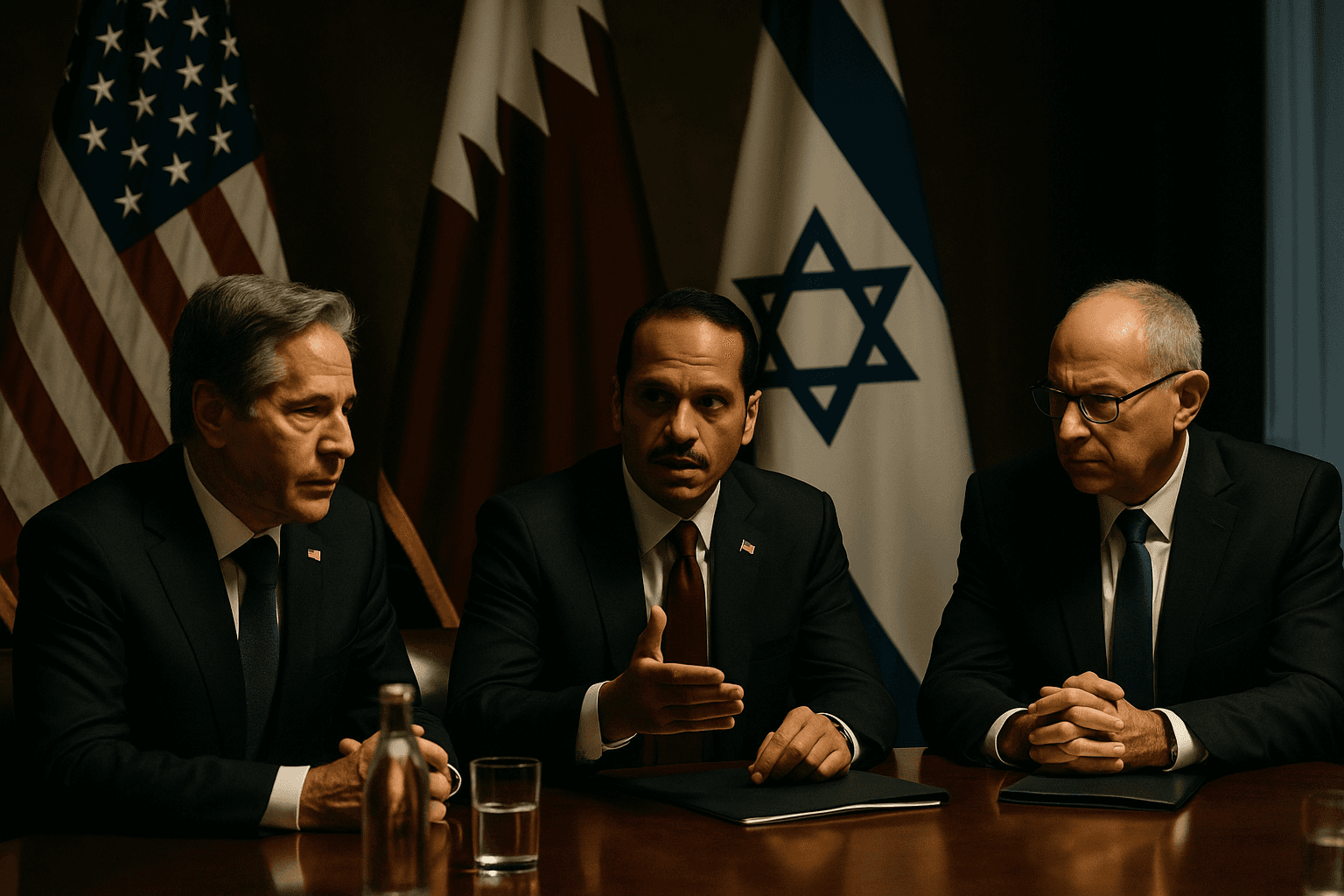
The talks took place amid continuing tensions in the region and reports of sporadic incidents along the ceasefire lines. Diplomats at the meeting emphasized the need for rapid, verifiable progress on agreed measures to reduce the likelihood of a fresh escalation. Absent timely gains, thresholds for renewed military action or retaliatory attacks could be crossed, reversing fragile gains made by the ceasefire.
Economically the durability of the truce has implications beyond direct humanitarian relief. A stable Gaza corridor would pave the way for donor pledges and reconstruction financing, which international officials project will be a multi year effort. It would also ease regional investor concerns about spillover risks that can affect capital flows and trade in neighboring markets.
The New York session is likely the start rather than the end of a closely managed process. Officials will need to translate the high level political accord into detailed operational plans, allocate resources for monitoring and enforcement, and secure cooperation from a range of actors on the ground. The pace and coherence of those efforts will determine whether the ceasefire becomes a stepping stone toward recovery, or merely a pause before further conflict.