U.S. sanctions 21 targets to choke Houthi funding and smuggling
Treasury sanctioned 21 people, entities and one vessel tied to Houthi funding and smuggling. The measures aim to cut oil transfers, weapons procurement and financing networks.
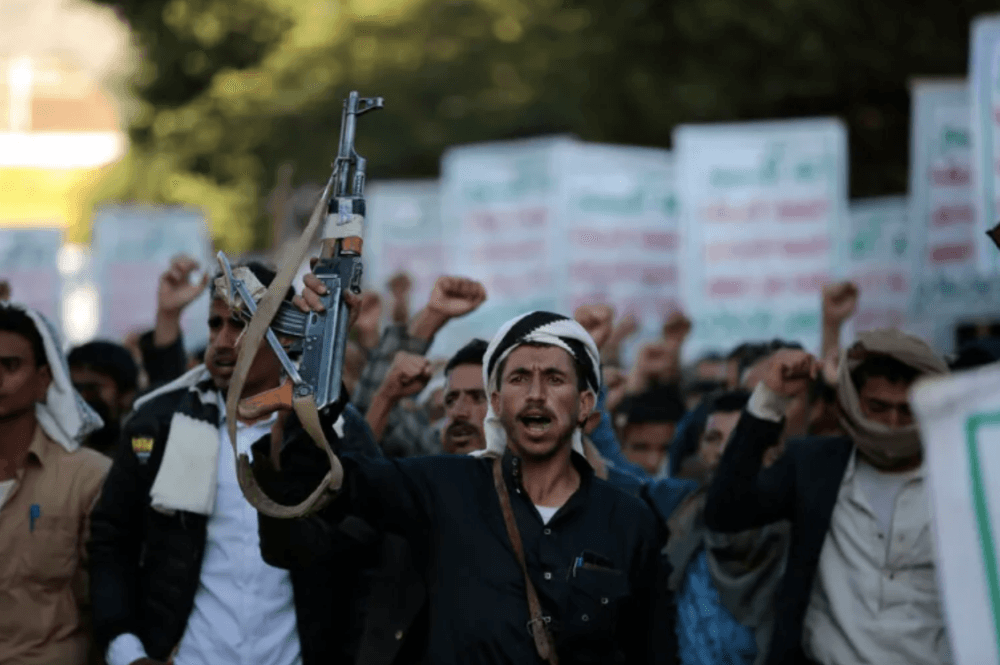
The U.S. Treasury on Friday designated 21 individuals and entities and identified one vessel in a bid to disrupt networks Washington says finance and supply Yemen’s Iran-backed Houthi movement. The Office of Foreign Assets Control described the action as building on prior measures to pressure what it called the Houthis’ "vast revenue generation and smuggling networks."
OFAC said the designations targeted front companies, facilitators and smuggling rings operating across Yemen, Oman and the United Arab Emirates that it alleges moved Iranian oil products to Houthi-affiliated actors, procured weapons and dual-use items, provided logistics and aviation services for smuggling, and ran exchange and financial services used to finance arms purchases. The listings included trading houses, exchange companies and aviation and shipping firms identified in Treasury and State Department releases.
Among companies named in government statements were Wadi Kabir Co. for Logistics Services, Rabya for Trading FZC (owned by Ameen Hamid Mohammed Dahan), Al-Ridhwan Exchange and Transfer Company, Barash Aviation and Cargo Company Limited, Sama Airline, and businessman Adil Mutahhar al-Muayyad, whom OFAC said were linked to aviation procurement and logistics. The Treasury also singled out UAE-based Al Sharafi Oil Companies Services and Adeema Oil FZC (owned by Waleed Fathi Salam Baidhani), Arkan Mars Petroleum DMCC, and Alsaa Petroleum and Shipping FZC, which it said facilitated oil transfers and financial flows between Iran and Houthi-aligned oil companies. OFAC noted Janat Al Anhar as the new operating name of a previously designated firm, tying it to earlier allegations of facilitating Iranian-linked Houthi finance.
Treasury Secretary Scott Bessent framed the measures as a security imperative, saying, "The Houthis threaten the United States by committing acts of terror and attacking commercial vessels transiting the Red Sea." A State Department statement accompanying the designations said they target "financial links between the Iranian regime and the Houthis, focusing on front companies and facilitators in Yemen, Oman, and the UAE that fund the Houthis’ destabilizing activities and attacks in the Red Sea," and reiterated that the United States would continue to use its tools to eliminate threats posed by "Houthi terrorists."
The move underscores Washington’s emphasis on choking the revenue streams that analysts say have allowed the Houthis to mount a sustained campaign against commercial shipping since 2023. Attacks in the Red Sea and nearby waters have prompted higher shipping costs, rerouting around the Horn of Africa, and increased insurance premiums for vessels in the region, raising concerns among trading firms and insurers.

Sanctions experts note that OFAC listings typically freeze any U.S.-held assets and bar U.S. persons from dealing with designated parties, but their efficacy hinges on enforcement and cooperation from regional financial centers and intermediaries. The designations place new pressure on banks, trading houses and maritime operators to tighten checks on counterparties in the Gulf and the Horn of Africa.
Markets will watch for knock-on effects in maritime insurance and energy trading lanes that have already been disrupted by the conflict and Houthi operations. Diplomatically, the action could test the willingness of Oman and the UAE to clamp down on alleged facilitators operating from their jurisdictions, and it may complicate broader efforts to reduce Iranian influence in the Red Sea theater.
The sanctions are the latest in a series of U.S. actions intended to sever financing and logistics ties between Iran and the Houthis, reflecting a strategy that blends financial pressure with a push for regional cooperation to protect commercial shipping and diminish the militia’s capacity to sustain offensive operations.
Sources:
Know something we missed? Have a correction or additional information?
Submit a Tip