U.S. Solar Capacity Surges, Installations Rise 49 Percent in Quarter
U.S. solar developers installed 11.7 gigawatts of new capacity in the third quarter of 2025, a 49 percent sequential increase according to a study by the Solar Energy Industries Association and Wood Mackenzie published today. The surge, driven largely by utility scale projects racing to meet deadlines and bonus rules in the One Big Beautiful Bill Act, alters the pace of capacity additions while exposing grid integration and policy implementation risks for investors and regulators.
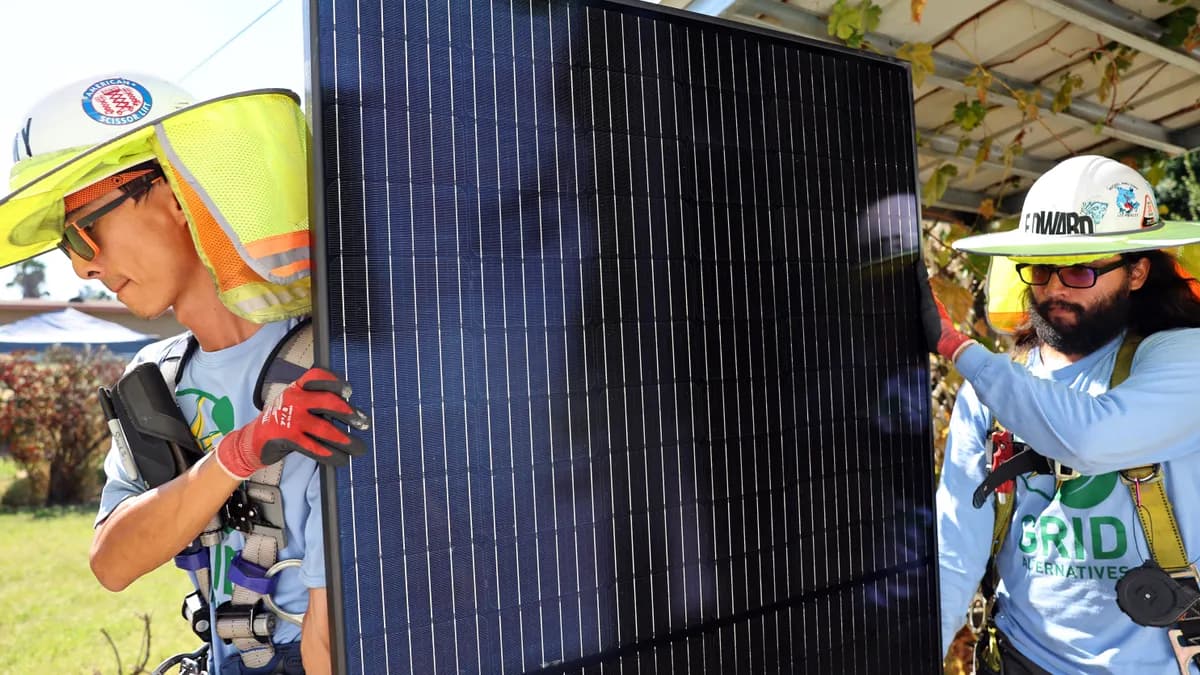
U.S. solar installations accelerated sharply in the third quarter of 2025 as developers completed 11.7 gigawatts of new capacity, a 49 percent jump from the prior quarter, according to a study released by the Solar Energy Industries Association and Wood Mackenzie on December 9. Through the first three quarters of the year more than 30 gigawatts of solar have been installed, giving the technology 58 percent of all new generation capacity added to the grid in 2025 so far.
Most of the quarterly gain came from utility scale projects that reached completion in the late second quarter and early third quarter. The report ties that wave of activity directly to incentives and deadlines created by the One Big Beautiful Bill Act, including bonus structures and tax credits that attach to when projects begin construction or enter service. Developers rushed to meet eligibility windows which compressed timelines and concentrated installations into a narrow calendar interval.
The surge cements solar as the dominant source of new capacity in the current build cycle, but the report also flags material risks. Industry executives and analysts see continuing disruption around policy implementation timelines and persistent supply chain constraints that complicate project execution and cost forecasting. Those frictions could translate into volatility in future quarterly figures as eligibility windows close and new rules take effect.
Market implications are immediate and multi dimensional. For power markets the influx of solar capacity increases daytime supply, which can depress wholesale prices during peak sun hours and alter revenue profiles for both generators and storage assets. For investors the concentrated build raises questions about long term asset performance and returns if projects face curtailment or if storage and transmission upgrades do not keep pace. For equipment makers and contractors the rush to qualify for credits has strained logistics, contributing to the supply chain pressures detailed in the study.
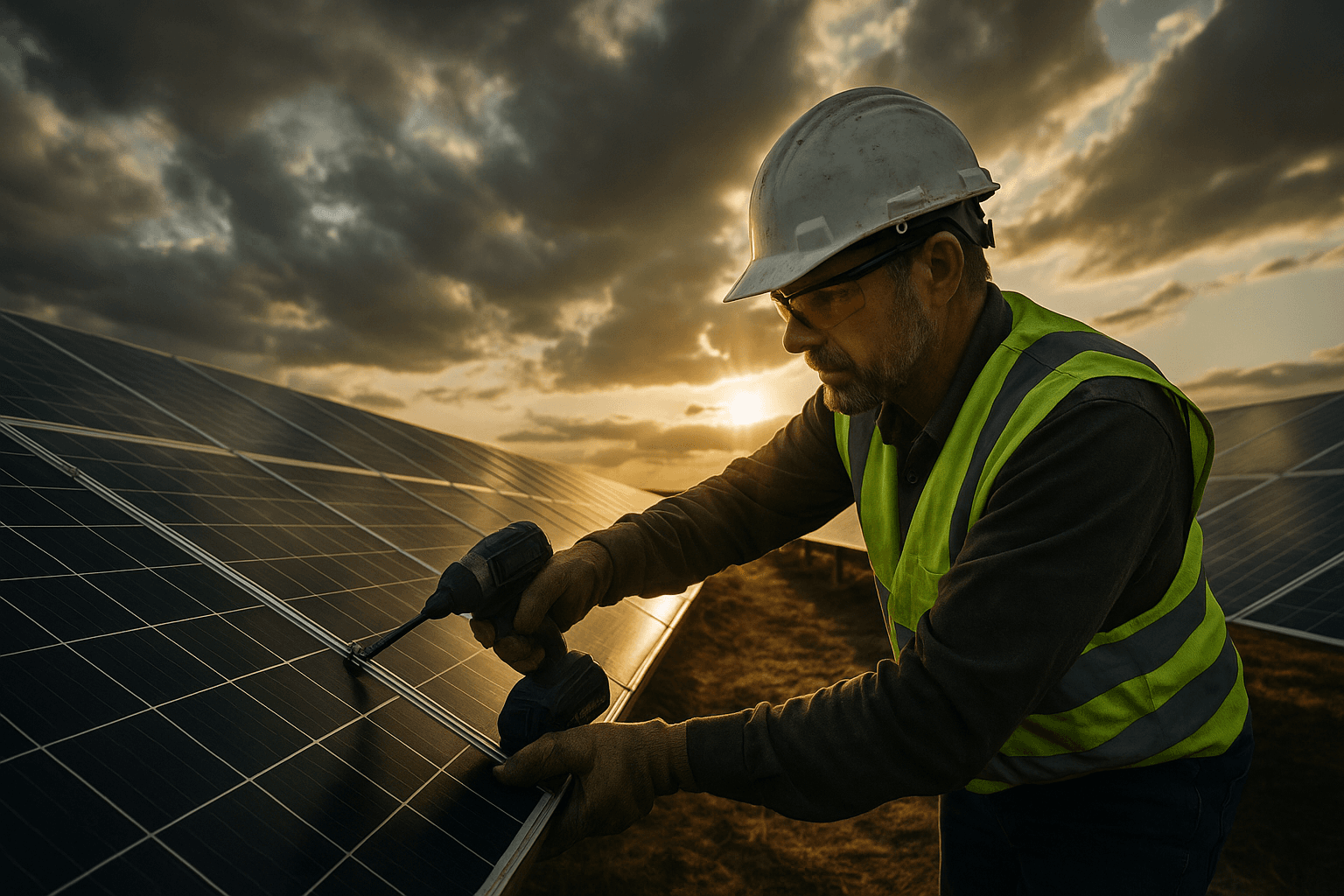
The report stresses that storage and grid integration remain the sector's most urgent near term challenges. Adding battery storage to solar plants and upgrading transmission networks are needed to convert capacity additions into reliable, dispatchable energy. Without accelerated investment in those areas, the value of incremental solar capacity may be limited during evening demand peaks and during periods of low irradiance.
Longer term the trends remain favorable for solar. With more than 30 gigawatts installed year to date and policy incentives supporting project economics, the sector is positioned to continue accounting for a growing share of new capacity additions. However, the future trajectory will depend on clarity in policy implementation, the ability of supply chains to normalize, and the pace of complementary investments in storage and grid infrastructure.
Policymakers and market participants now face a twofold task. They must preserve momentum to meet climate and energy resilience goals while smoothing the operational and regulatory wrinkles that come with rapid expansion. The study underscores that without targeted measures to resolve those bottlenecks, gains in capacity may not translate directly into expected gains in reliable clean generation.