U.S. Trade Deputy to Visit India, Talks Intensify Over Tariff Dispute
Deputy U.S. Trade Representative Rick Switzer will visit India on December 10 and 11 to advance negotiations aimed at resolving tariff tensions and moving toward a comprehensive bilateral trade agreement. The visit matters because it could determine near term export costs for businesses on both sides and shape longer term investment and supply chain alignments between the two large economies.
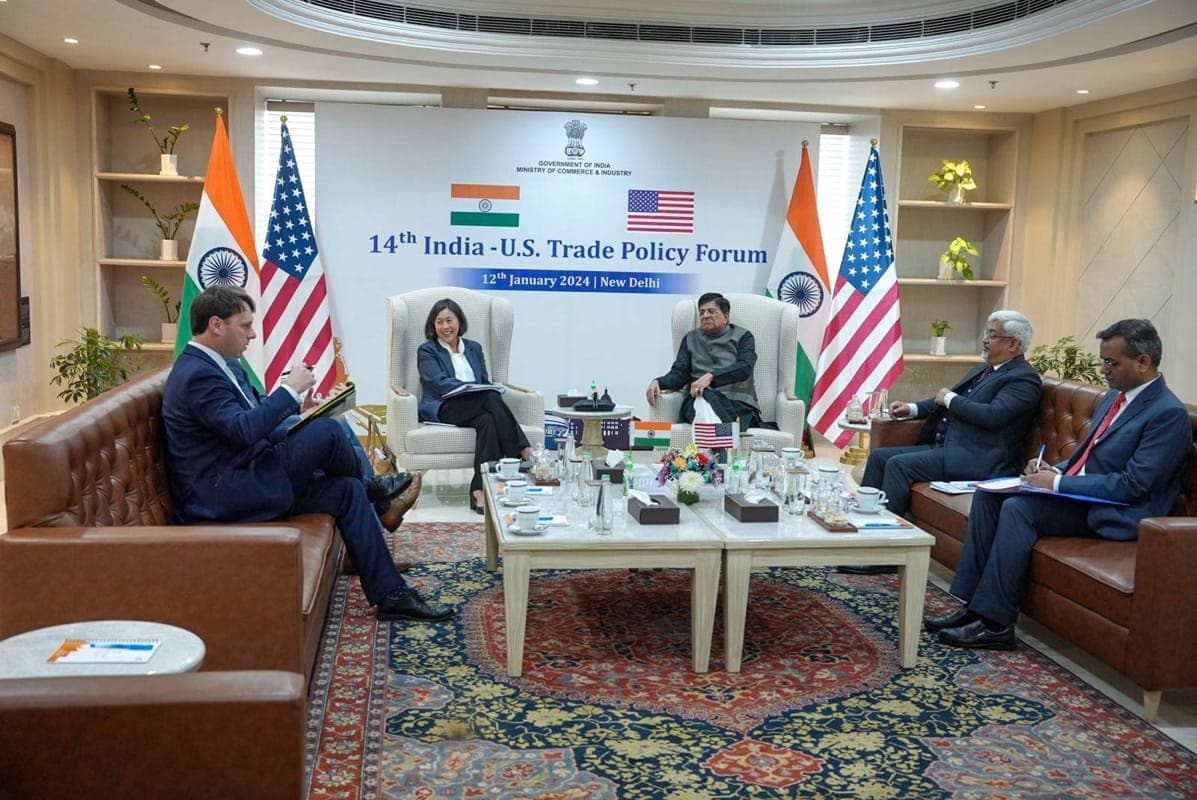
Deputy U.S. Trade Representative Rick Switzer is scheduled to visit New Delhi on December 10 and 11, the Indian foreign ministry said, in a continuation of high level talks intended to resolve trade frictions between Washington and New Delhi. The trip comes after the United States imposed punitive tariffs earlier this year on a range of Indian goods in response to India purchasing discounted Russian oil, and it is meant to move negotiations toward a comprehensive bilateral trade agreement.
U.S. and Indian officials have described the talks as focused on concluding a fair, balanced agreement across multiple sectors that would ease tensions and expand commercial ties. The timing of the visit underlines sustained diplomatic engagement as both sides seek to iron out tariff disputes and other trade obstacles ahead of broader diplomatic contact.
The economic stakes are substantial. Trade tensions that yield tariffs tend to raise costs for affected exporters and importers and can ripple through supply chains and corporate planning. For Indian exporters facing U.S. tariffs, short term impacts include lost market share and margin pressure. For U.S. importers and consumers, tariffs can translate into higher input costs and retail prices. Beyond immediate price effects, business leaders watch these negotiations for signals about investment rules, procurement practices and market access that will influence decisions on manufacturing location and cross border investment.
Analysts note the visit also intersects with a broader strategic context. Washington has been encouraging diversification of supply chains away from single country concentration, while New Delhi has been seeking deeper market access for its goods and services as it pursues manufacturing and export growth. A negotiated settlement that restores tariff relief and delivers clearer market rules could accelerate commercial integration, whereas a protracted standoff would sustain uncertainty and could encourage firms to seek alternative markets or suppliers.
Financial markets may respond asymmetrically. Equity and currency markets often react to concrete developments in trade talks, but a short two day visit is more likely to move sentiment than to trigger major reallocations unless negotiators announce specific concessions or a pathway to a formal agreement. Commodities and sector specific stocks linked to the affected goods could show more immediate responses if tariff relief is signaled.
Policy options on the table include tariff rollbacks tied to verifiable assurances on energy sourcing, mutually agreed procurement safeguards and sector specific market access commitments. Any agreement will need to balance U.S. concerns over geopolitical alignments with India’s energy security and development priorities.
For now, the Switzer visit represents an attempt to convert high level diplomatic momentum into technical outcomes. If successful, negotiators could lay the groundwork for a broader pact that deepens two way trade and reduces a key source of bilateral friction. If not, both governments face the prospect of protracted disputes that would tax commercial confidence and complicate larger strategic cooperation.