U.S. Trade Team Heading to New Delhi for Tariff Talks
A U.S. trade delegation is expected in New Delhi next week for negotiations aimed at defusing recent tariff tensions, an Indian government source told Reuters on December 4. The talks matter because they could determine near term export prospects for Indian businesses and shape broader economic cooperation between two strategic partners.
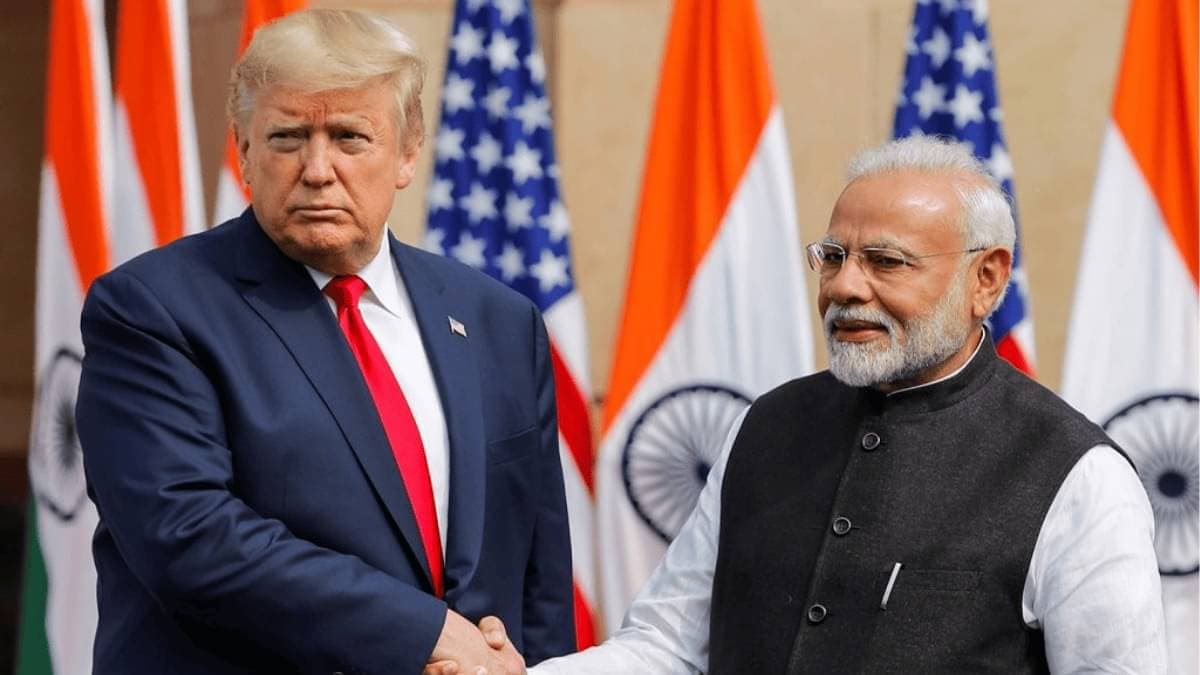
A U.S. trade delegation was expected to travel to New Delhi next week for talks focused on resolving a string of tariff disputes, an Indian government source told Reuters on December 4. The visit follows the imposition of punitive U.S. tariffs on certain Indian goods, and New Delhi is hopeful the engagement can yield reductions or easing that would lessen immediate pain for exporters.
Officials in both capitals have framed the engagement as part of wider economic and trade consultations that address market access, tariffs and other trade frictions while the two countries continue to deepen strategic ties. The timing underscores the challenge of reconciling intensifying security cooperation with unresolved commercial disagreements that have implications for jobs, investment and consumer prices on both sides.
For Indian exporters the talks are likely to be closely watched. Tariff measures increase costs and can divert orders to alternative suppliers, compressing margins for companies that rely on U.S. markets. For U.S. firms and consumers higher tariffs can raise import prices and complicate supply chain planning, particularly for buyers that source components or finished goods across multiple countries. Market participants say even the prospect of negotiations can affect currency flows and equity valuations in affected sectors, although volatility typically depends on the scale and scope of any measures agreed.
Policy makers in New Delhi are approaching the meetings with a dual objective. They aim to secure concrete tariff relief that would help exporters in the near term, and to preserve a constructive relationship with Washington that underpins broader cooperation on defense, technology and regional security. Indian officials have pushed for negotiated solutions rather than escalation, arguing that dialogue can manage trade frictions without undermining strategic alignment.

Washington has signaled it will use trade tools to protect domestic industries, while keeping negotiation channels open to resolve disputes through bilateral or multilateral mechanisms. The coming delegation visit is likely to test that balance. Successful talks could produce targeted concessions or a timetable for phased adjustments, while failure to reach agreement could prompt further tariff enforcement actions or retaliatory steps that raise political and economic stakes.
Analysts say this episode highlights a longer term trend in which economic interdependence between large democracies coexists with rising political pressures to shield domestic industries. As trade volumes between the two countries have grown, disputes over market access and industrial policy have become more consequential for investors and workers alike. The outcome of next week’s meetings will offer an early signal of whether diplomacy can contain the immediate disruption and set a framework for more durable rules that reconcile economic openness with public policy goals.