U.S. Waives Eleven Million for Southwest, Order Sets New Compliance Expectations
The U.S. Transportation Department on Saturday waived an $11 million civil penalty against Southwest Airlines that had been part of a larger $140 million settlement tied to the carrier's 2022 holiday operations meltdown. The move matters because it reshapes federal enforcement around airline reliability, raises questions about protections for travelers and highlights lingering public health and equity consequences for communities hit hardest by past disruptions.
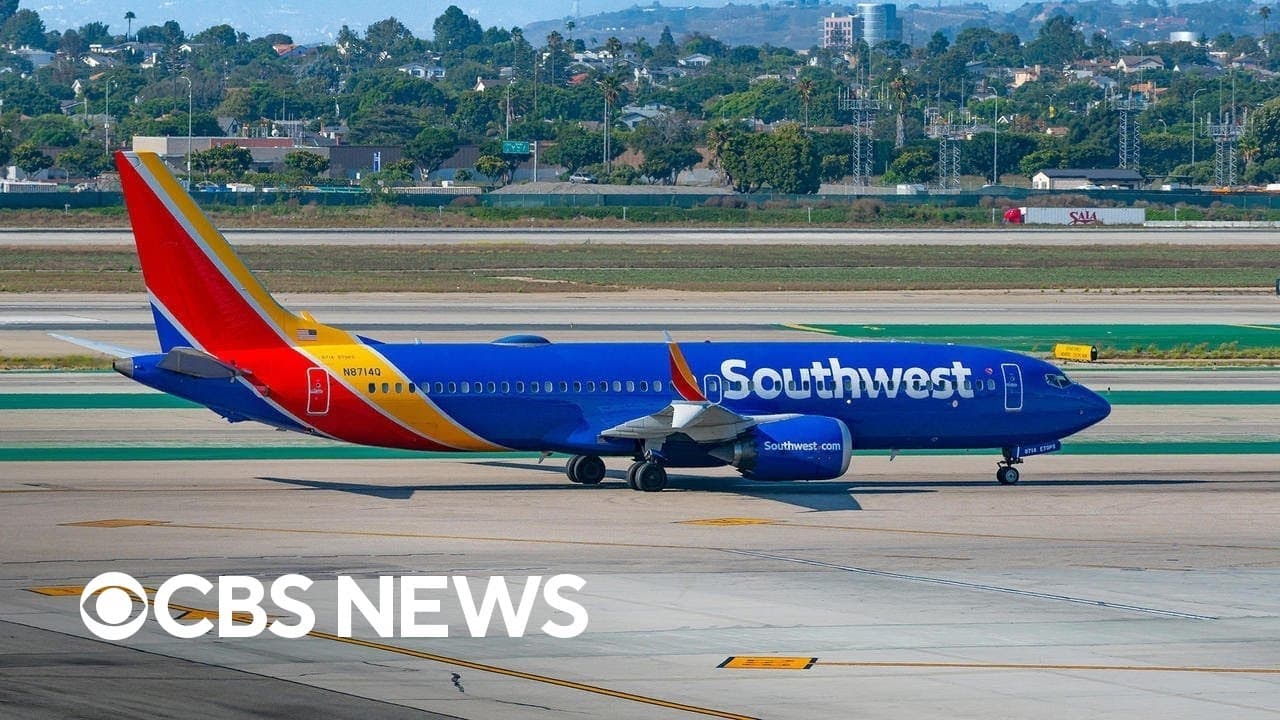
The U.S. Transportation Department said on Saturday it would waive an $11 million civil penalty that had been imposed on Southwest Airlines as part of a broader $140 million settlement over the carrier's operational meltdown during the 2022 holiday travel period. The waiver was issued through an agency order that also outlines compliance expectations for the airline going forward.
The decision to cancel the penalty immediately drew attention from industry watchers and consumer advocates because the 2022 disruptions stranded thousands of passengers during a peak travel period and prompted intense regulatory and congressional scrutiny. While the department signaled that the order will require Southwest to meet specified operational standards, the waiver of a sizable fine has intensified debate over whether federal enforcement is sufficiently deterrent to prevent future breakdowns.
Beyond industry accountability, the episode underscores public health and community impacts that regulators and policymakers must weigh. The 2022 meltdown left many travelers unable to reach medical appointments, obtain prescription medications or return to jobs. Those disruptions had ripple effects for people with chronic conditions, low income workers who rely on air travel for family or work obligations and communities with fewer transportation alternatives. For some older adults and people with disabilities, the cancellations and long airport waits risked worsening health outcomes and increased reliance on emergency services.
Public health experts and community advocates have highlighted that travel disruptions do not affect all passengers equally. People with limited financial resources often have fewer options to rebook or absorb the cost of extended stays. Essential workers with inflexible schedules faced lost wages and job insecurity. The department's order, by spelling out compliance steps, aims to reduce the chance of recurrence, but the waiver has prompted questions about whether enforcement actions reach beyond corrective measures to address the unequal harms experienced by marginalized groups.

Regulatory implications are also significant. The Transportation Department retains authority to impose civil penalties and to require systemic reforms. In waiving a portion of the penalty tied to the 2022 settlement, the agency emphasized ongoing oversight through the compliance plan, yet it has not signaled whether this approach will become a precedent in future enforcement. Airlines, regulators and lawmakers will be watching how effectively the compliance requirements translate into operational resilience during busy travel periods.
For communities and travelers, the decision renews focus on consumer protections and contingency planning. Local health providers and social services are likely to remain concerned about sudden surges in demand when travel failures force people to seek alternative care. Advocacy groups that pushed for stronger enforcement after the 2022 crisis have urged sustained attention to equity in airline policies and to mechanisms that ensure rapid assistance for vulnerable passengers.
The waiver represents the latest chapter in a broader debate about how to balance remediation, deterrence and practical oversight in a concentrated airline industry. As the department moves to enforce the compliance terms of the order, its effectiveness in preventing similar disruptions will determine whether passengers, particularly those already at risk, can rely on federal action to protect their health, livelihoods and mobility.