USGS Retracts False Nevada Earthquake Alert, Reviews Automated Safeguards
The U.S. Geological Survey on December 4, 2025 retracted an automated alert that falsely indicated a magnitude 5.9 earthquake near Dayton, Nevada, saying the notification resulted from a detection error in its automated system. The episode raises questions about the resilience of automated public alert systems, the adequacy of human oversight, and the potential for needless public alarm if safeguards are not strengthened.
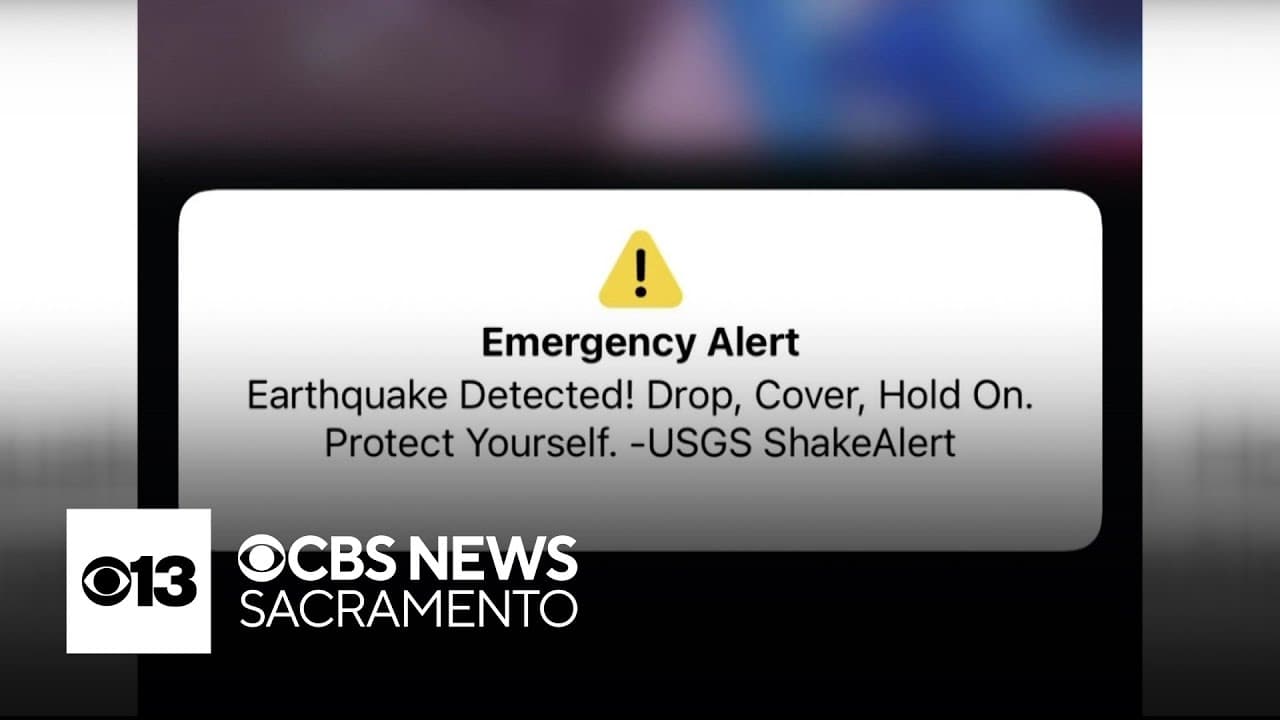
The U.S. Geological Survey on December 4, 2025 retracted an automated earthquake alert that had signaled a magnitude 5.9 event near Dayton, Nevada, after confirming no seismic event of that magnitude occurred. The agency said the notification was a false detection produced by its automated system, and that it issued and then withdrew the alert upon verification. The incident unfolded on a single day, but its implications for public safety communications and institutional accountability extend beyond the immediate correction.
Automated detection systems have become central to rapid public warnings because they can deliver timely information to millions. But the USGS episode underscores the trade off between speed and accuracy. False positives can trigger alarm, interrupt business and schooling, strain emergency services, and erode public confidence in official communications. For a public that increasingly relies on push alerts from government agencies, a single erroneous notification can have outsized consequences for trust.
The agency said it will review safeguards to prevent erroneous alerts. That review will test whether current protocols provide an effective human in the loop for verification, whether algorithm thresholds are set with appropriate conservatism, and whether auditing and logging practices allow rapid diagnosis and correction. Transparency in that review will be essential for rebuilding confidence. Citizens, local governments, and emergency responders need clear information about what went wrong, how the error was detected, who was notified and when, and what changes will follow.
Institutionally, the event highlights several governance questions. Federal agencies that provide critical alerts operate at the intersection of technology, public policy, and emergency management. Oversight structures must balance technical autonomy with accountability. Policymakers may look to codify requirements for redundancy, independent technical audits, and public reporting of false alerts. State and local officials who depend on federal feeds must also assess their own protocols for amplifying or verifying automated warnings before taking costly operational steps.

The political dimensions are indirect but real. Public trust in government communications is a component of civic resilience, particularly during crises. Repeated false alarms could depress compliance with genuine warnings in future events, complicating evacuation orders and emergency response. Civic engagement groups and watchdogs are likely to press for timely disclosure of the review findings and for public meetings where technical experts explain safeguards in plain language.
The USGS faces a technical and reputational task. A successful response will combine clear timelines for corrective action, independent review of software and processes, and outreach to the communities most directly affected. For now, the agency has acknowledged the mistake and signaled a review. How it follows through will determine whether this remains a short lived error or prompts meaningful reform in how government agencies deploy automated systems that speak directly to the public.


