Utah Avalanche Center trades gala for on snow education and outreach
The Utah Avalanche Center replaced its annual fundraising gala with a series of small group on snow events and community sessions to support avalanche forecasting and safety. The shift responds to recent early season instability in the Wasatch, and aims to connect newcomers and longtime backcountry users with practical skills and local resources.

On December 12, 2025 the Utah Avalanche Center announced it would forgo its traditional fundraising gala and instead offer a slate of small group on snow events that pair avalanche education with skiing, snowmobiling and other outdoor experiences. The move is intended to raise money for avalanche forecasting and outreach while building safety networks among local recreationists.
The decision follows a recent storm that produced variable snowpacks and triggered widespread avalanches across the Wasatch. Forecasters have flagged mixed early season weak layers combined with warming trends as complicating factors this winter, increasing the value of timely forecasting and hands on education for people who recreate in Summit County and surrounding areas.
The calendar of events includes a snowmobile retreat at Bear River Lodge from January 9 through January 12, described as a limited capacity, high end educational experience focused on avalanche skills and decision making. A ski day at Deer Valley Resort is scheduled for January 23 and will feature skiing legend Wayne Wong alongside education sessions and a post ski presentation on the snowpack by a center forecaster. Smaller guided backcountry tours and education sessions are also planned, and one guided Interconnect Tour sold out quickly after announcement. Basin Recreation and the Avalanche Center will offer a free Know Before You Go presentation in the Trailside Park park room to reach residents where they already recreate.
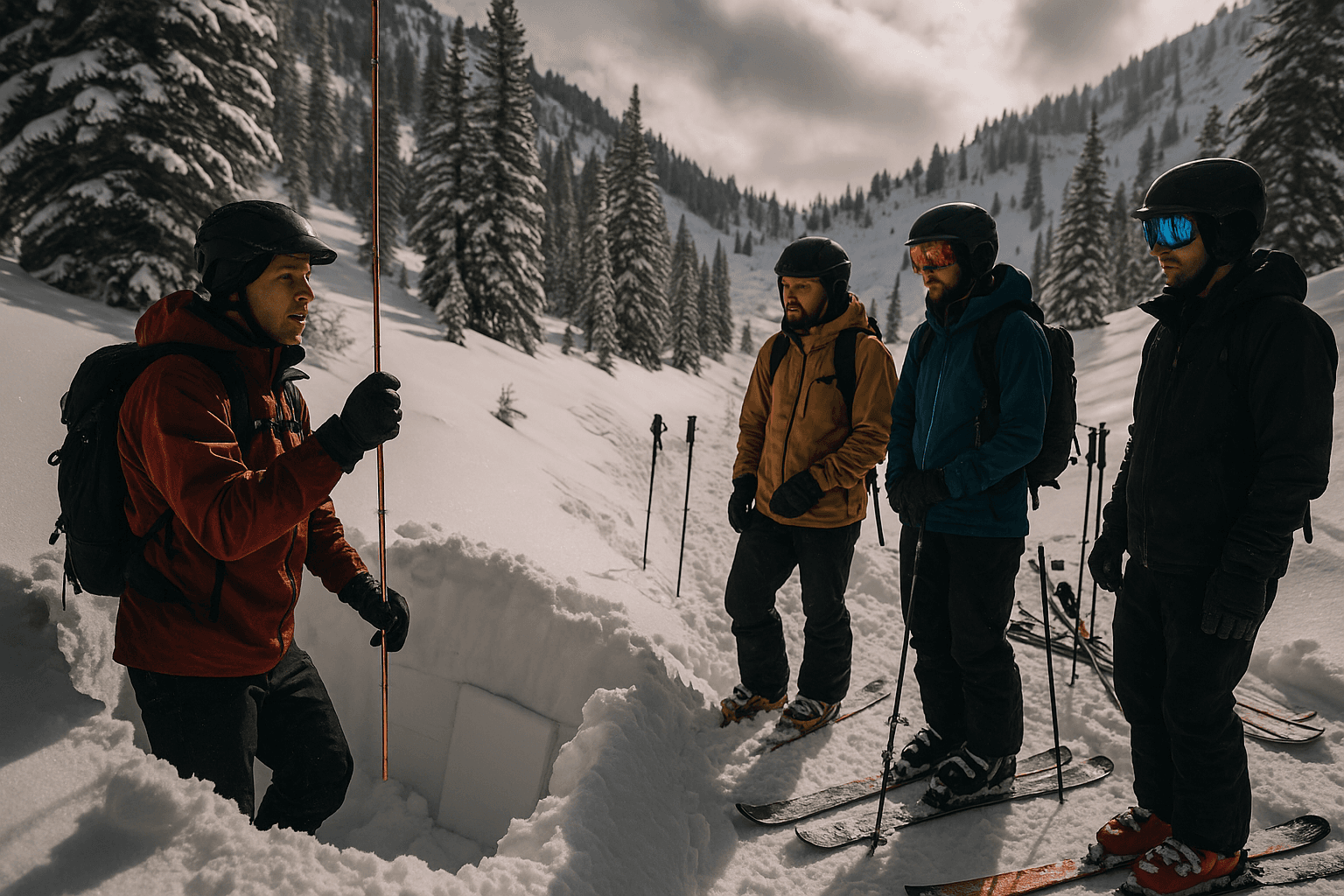
For Summit County residents the program changes carry both safety and economic implications. On site education and stronger local networks can reduce the frequency of risky choices in backcountry terrain, potentially lowering demand for costly rescue operations and easing pressure on search and rescue volunteers. At the same time, the shift to paid small group experiences provides a predictable revenue stream for forecasting and outreach, resources that local tourism and outdoor businesses rely on to maintain safe winter operations.
By bringing education into the field and into community spaces, the Avalanche Center aims to deepen ties with both newcomers and longtime users, improve public understanding of this season's unstable conditions, and sustain the forecasting work that supports recreation and public safety across the county.
Sources:
Know something we missed? Have a correction or additional information?
Submit a Tip