Utility Work Caused One Way Traffic on Route 96, Affecting Commuters
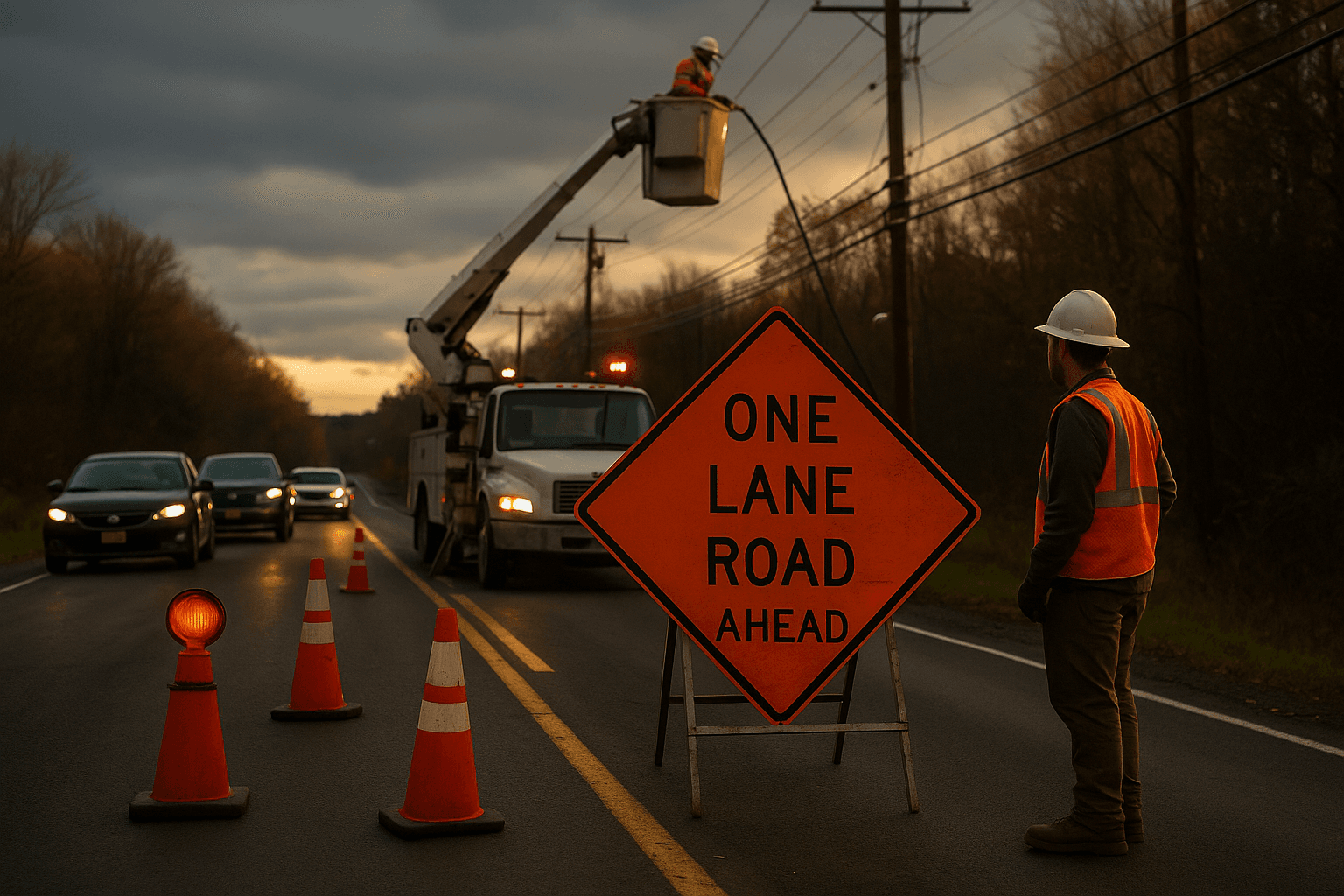
A one way traffic operation was in place on Route 96 on December 8, 2025, because of utility work between the Rock Chute Viaduct and Norton Creek, with an expected end time of 7:01 p.m. The brief travel advisory served as a heads up for motorists, and highlights how planned lane controls on state highways can ripple through rural communities that depend on a single road corridor.
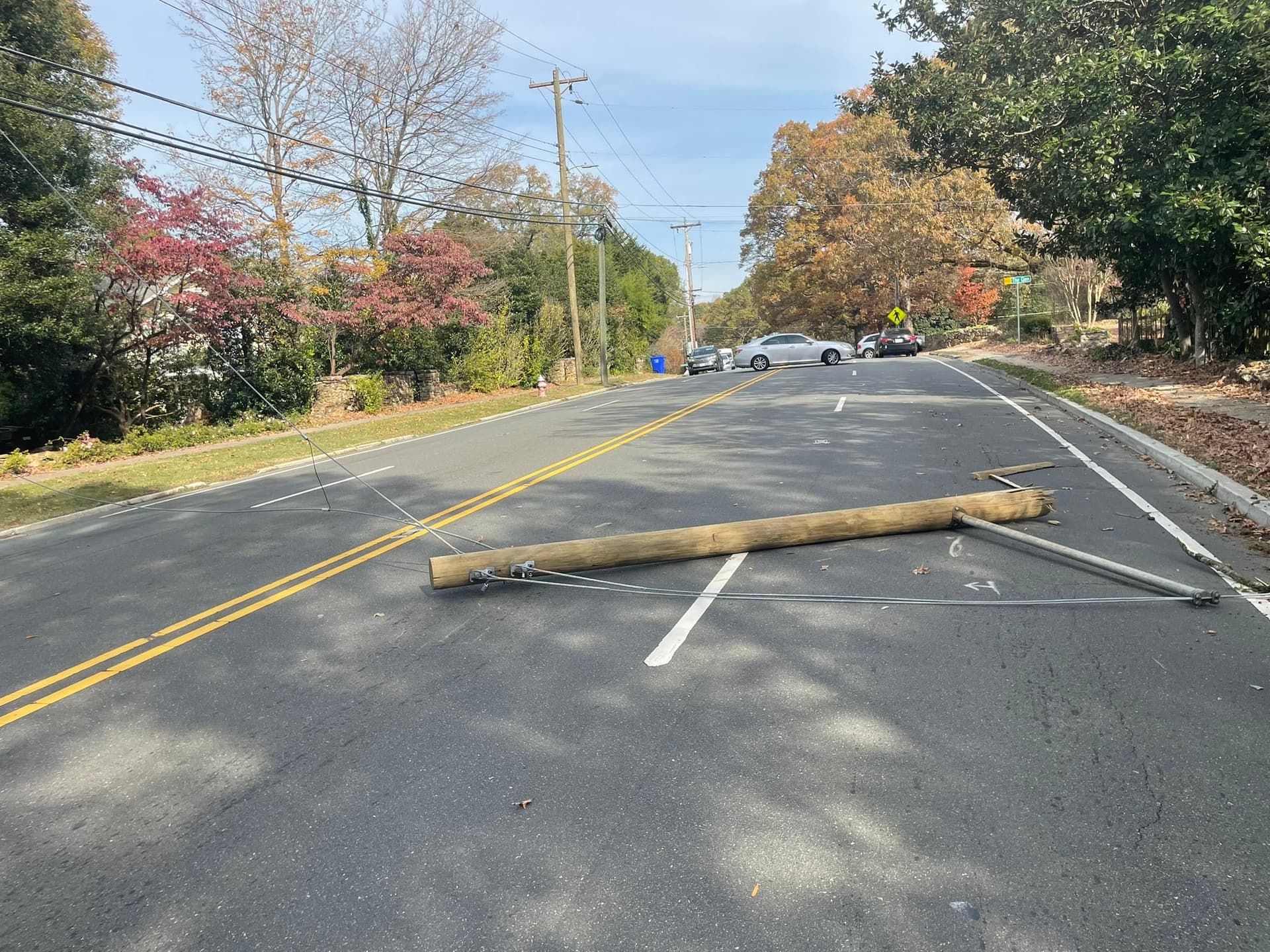
A one way traffic operation closed one lane of Route 96 on December 8 while utility crews worked between the Rock Chute Viaduct and Norton Creek. Officials listed an expected end time of 7:01 p.m. The alert served as a compact travel advisory giving motorists a heads up about planned lane controls and likely delays on the state highway.
Motorists experienced slower travel and intermittent stops during the utility work. For residents who rely on Route 96 for commute, school travel, deliveries and access to medical services, even temporary lane controls can mean missed appointments, delayed deliveries and longer response times for emergency vehicles. In rural corridors with limited alternative routes, planned road work can amplify the practical consequences of an already thin transportation safety net.
Public health consequences are rarely immediate but can be real. Delays created by lane controls can complicate timely access to urgent care, routine medical appointments and behavioral health services. People who depend on scheduled transportation for dialysis, medications or other recurring treatments face disproportionate burdens when road access is constrained. Those risks fall heaviest on residents with limited transportation options, lower incomes and fewer local resources.
The episode underscores long standing policy and equity challenges. Coordinating utility work with county public health, emergency services and tribal partners can reduce avoidable disruptions. Scheduling maintenance to avoid peak medical appointment times, alerting health providers and maintaining clear communications with community organizations can ease the impact on vulnerable populations.
Residents should plan for extra travel time when using the corridor and check highway alerts before travel. Local officials and transportation agencies should prioritize advance coordination with health systems and community partners to protect access to care during planned lane controls. In a region where a single stretch of road connects many daily needs, aligning public works with public health is a matter of equity and safety.