Val Verde County Tourism Guide Highlights Amistad and Heritage Sites
Val Verde County’s major recreation and heritage assets — led by Amistad National Recreation Area and the Judge Roy Bean site in Langtry — offer year-round outdoor activities and historic interpretation that drive local tourism and support small businesses. The guide outlines visitor rules, safety tips, and institutional responsibilities that matter for residents, local officials and business owners planning for infrastructure, enforcement and community benefits.

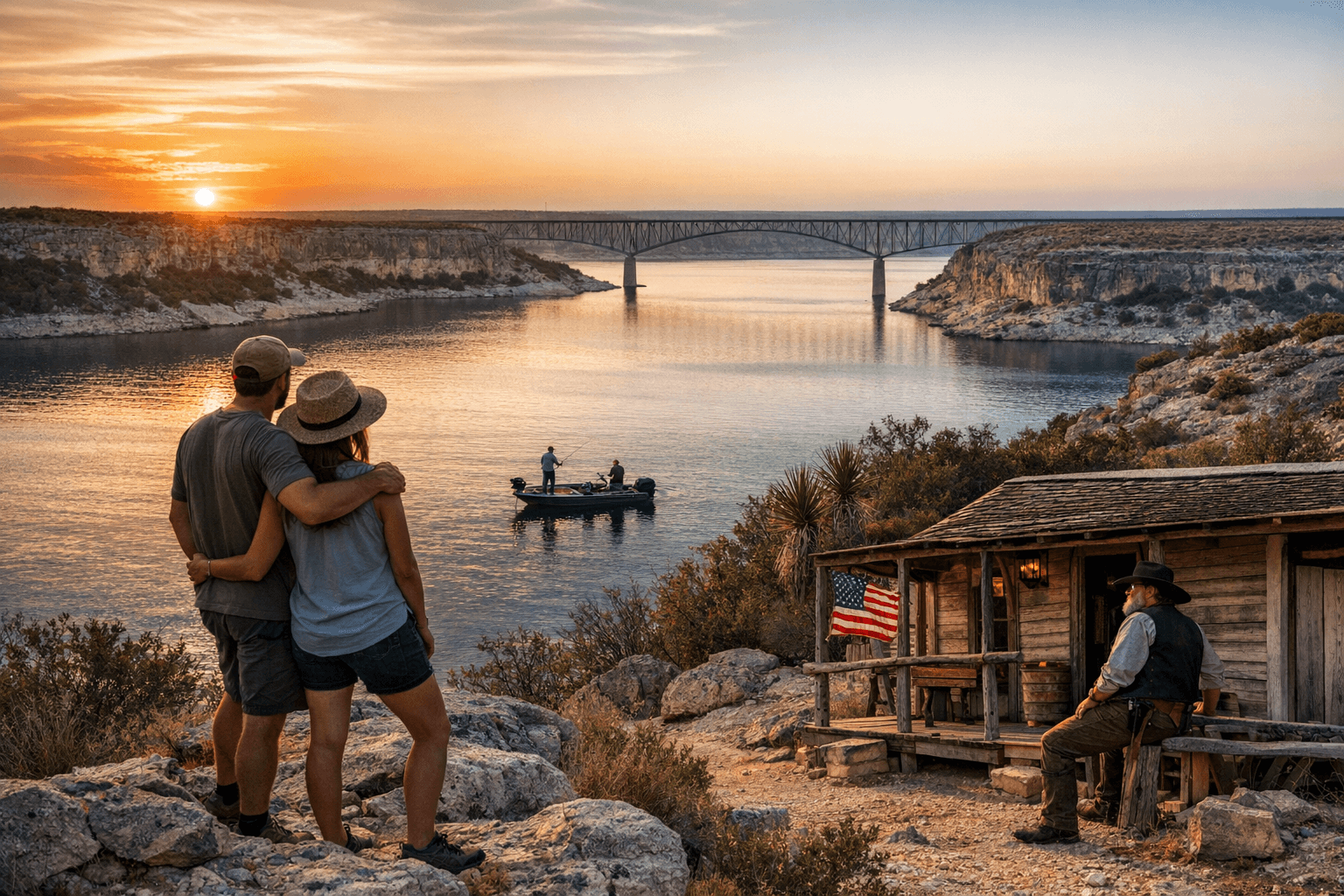
Val Verde County’s lakes, springs and frontier landmarks form the backbone of a local tourism economy that stretches from Del Rio to Langtry and beyond. Amistad Reservoir is the county’s largest recreation asset, described by the National Park Service as an "oasis in the desert," and provides boating, fishing, shoreline and primitive camping, hiking and access to prehistoric rock art and cultural sites. Motorized craft require a lake-use permit, and visitors should expect boat inspections and invasive-species protocols before launching.
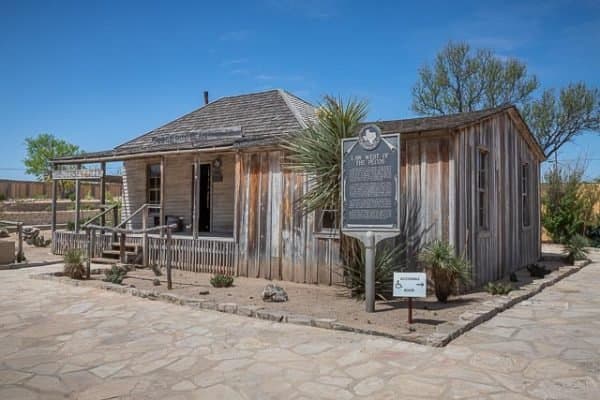
Heritage tourism centers on the Judge Roy Bean Visitor Center and the original Jersey Lily saloon and courthouse in Langtry. The visitor center — often called the Opera House interpretive center — and its museum structures anchor regional itineraries linking Seminole Canyon, Devils River country and Amistad-area sites. These attractions are commonly marketed together to spread visitor spending to western county lodging, guides and local businesses while extending stays in Del Rio, which serves as the civic and commercial hub for government services and cultural amenities.
San Felipe Springs remains a defining historical water source for the Del Rio community. The springs and downtown area continue to host civic events, small-business activity and municipal services that support both residents and visitors. Outdoor opportunities countywide include birding, paddling, select scuba dives in lake coves, nature photography and guided pictograph tours at archaeological sites. Prominent trails such as the Diablo East Nature Trail offer scenic hiking in Amistad’s transition-zone ecology, where both Texas and desert species can be observed.
Practical considerations matter for safety and resource protection. Val Verde County is semi-arid with hot summers; visitors should carry ample water, sun protection and ensure vehicle preparedness for remote drives. Check current conditions, boat ramp status and rules posted on official Park Service "Plan Your Visit" pages before traveling to avoid closures or delays. For operational details and seasonal programming contact the Amistad Visitor Center or the Judge Roy Bean Visitor Center prior to travel.
The county’s reliance on outdoor and heritage tourism carries policy implications for local government. Coordination between the National Park Service, county and city officials, and private businesses is essential to maintain infrastructure, enforce invasive-species inspections and manage visitor impacts. Decisions on funding for ramps, signage, trails and visitor services are made at municipal and county levels and benefit from public input and civic engagement. Residents who participate in planning meetings, volunteer programs or local tourism initiatives help shape how visitor dollars and regulatory priorities translate into long-term economic resilience and equitable access to Val Verde’s public lands and historic sites.
Sources:
Know something we missed? Have a correction or additional information?
Submit a Tip