Varmilo Launches Compact Wireless Foot Keyboards for Competitive Gaming
Varmilo introduced compact wireless foot keyboards on December 3, 2025, offering three key and four key single purpose under desk peripherals that let players map frequent commands to toe operated buttons. The units use Cherry MX Silent Black switches, support 2.4 GHz dongle, Bluetooth and wired USB connections, and aim to provide a practical edge for competitive players while prompting questions about ergonomics and accessibility.
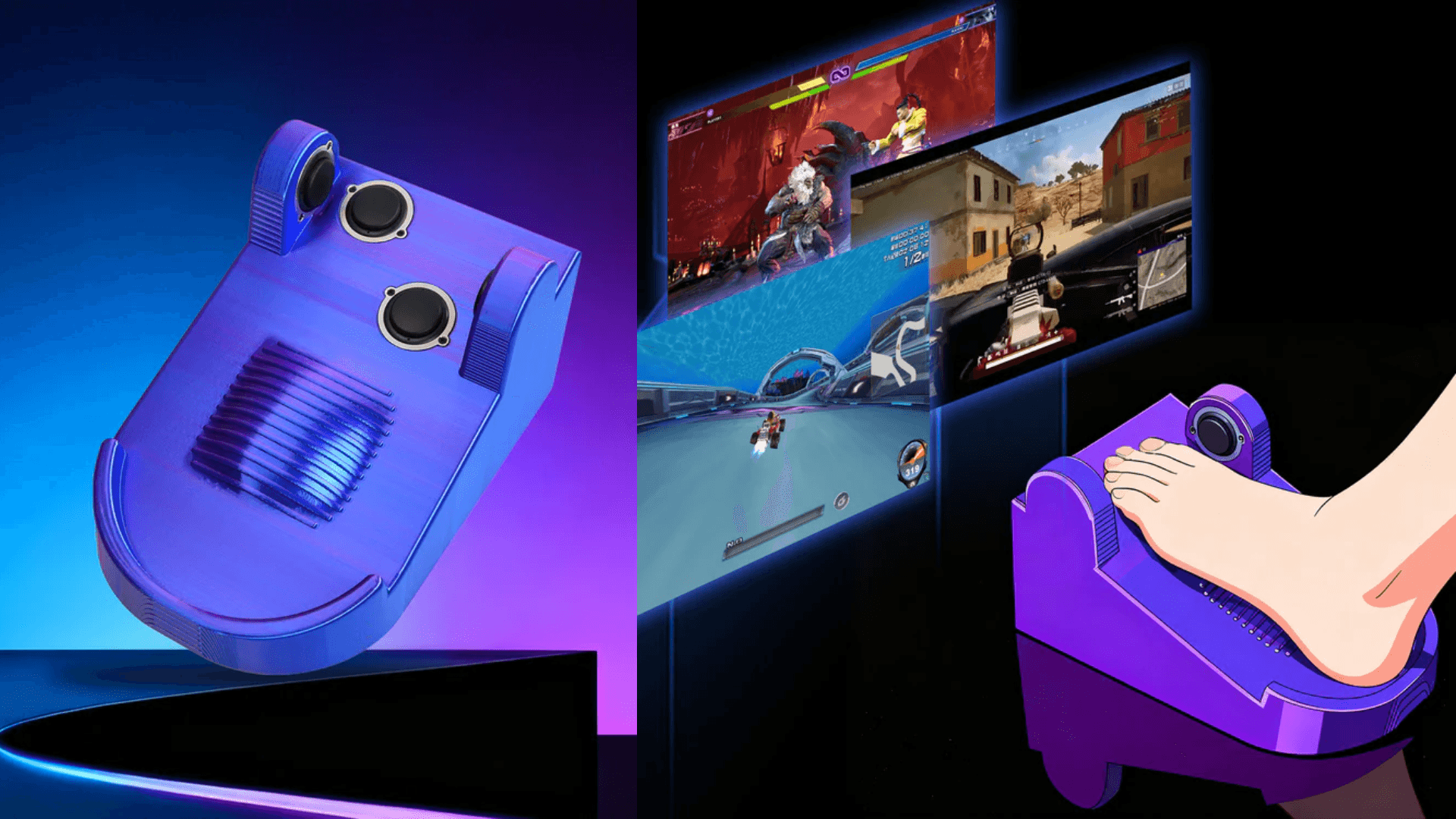
Varmilo released a pair of compact foot keyboards designed to move routine in game inputs to the feet, targeting players who want to offload frequently used commands. The products come in three key and four key versions, each button fitted with a Cherry MX Silent Black switch described as having a heavy actuation range, and capped with a 25 millimeter ABS keycap. The whole unit weighs about 1 kilogram to stay put during use.
Connectivity covers 2.4 gigahertz via a USB dongle, Bluetooth for multi device pairing, and a wired USB mode, and the peripherals report a 1000 hertz polling rate. Pricing was reported at around fifty dollars, about thirty nine pounds, placing the devices in an affordable range compared with more elaborate pedal systems.
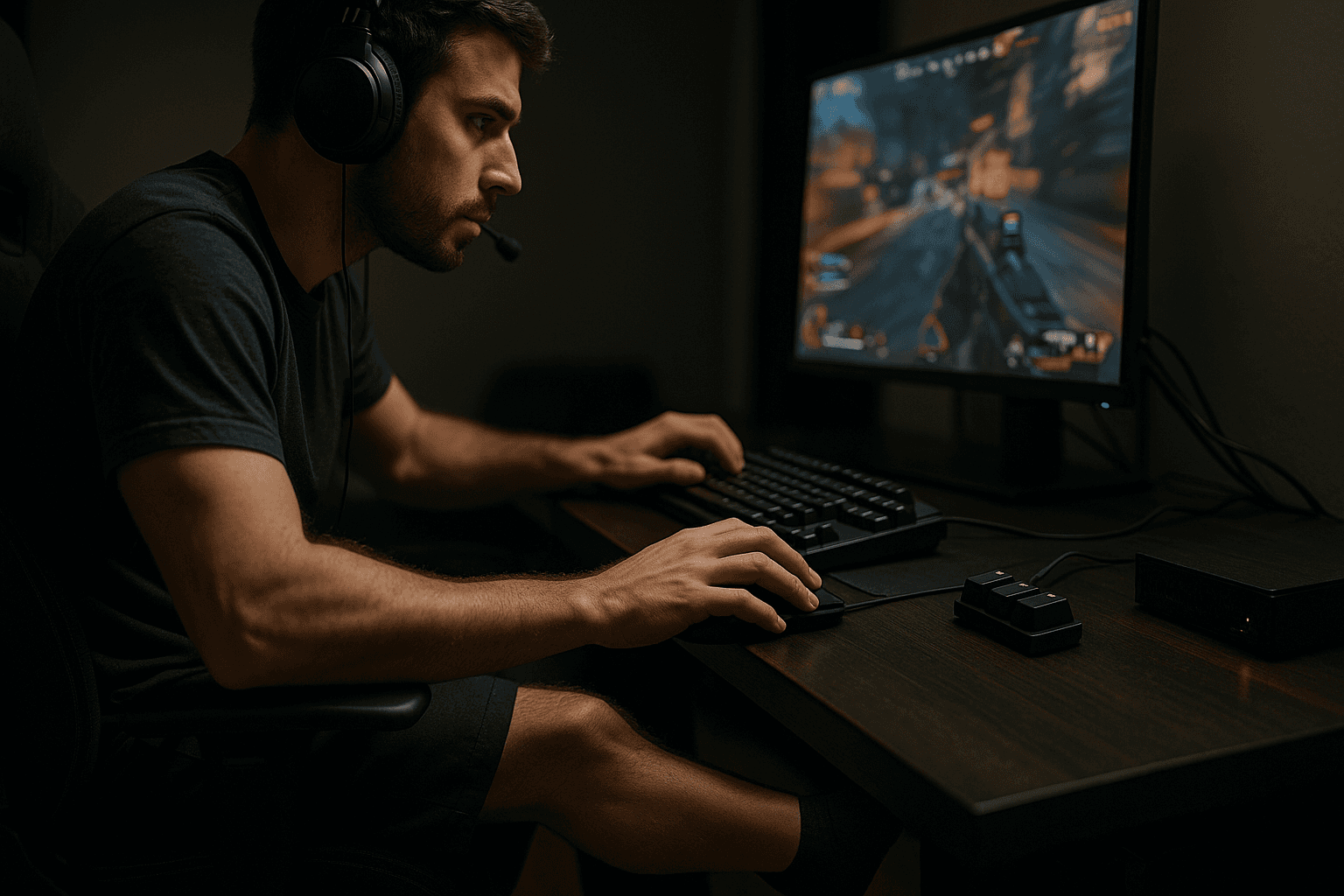
The immediate takeaway for competitive players is clear. Foot operated inputs let users keep both hands on the keyboard and mouse while executing mapped commands with a toe. That can matter in fast paced genres where shaving milliseconds or freeing a finger can change a result. Practical value comes down to ergonomics and setup. The heavy switches and weight give a stable platform but may require time to retrain muscle memory and adjust seating and foot position.
The release sits alongside similar designs already on the market, including the MSI Liberator foot pedals, and frames foot input as a potential competitive advantage rather than primarily an accessibility feature. That positioning raises questions for the community about long term ergonomics, the risk of repetitive strain to the lower limbs, and how such devices fit into fair play discussions in competitive scenes.
For anyone considering one, test foot placement and switch feel before relying on the device in high stakes play. Check compatibility with existing macro and key mapping software, verify polling and connection stability in your setup, and balance any performance gains against comfort and potential strain. As foot operated peripherals move from novelty toward niche utility, they will provoke both tactical experimentation and sober conversations about design, inclusivity, and player welfare.