Vilnius Airport Closes as Balloons Disrupt Airspace, Flights Halt
Vilnius International Airport halted operations on December 6, 2025 after balloons were detected in its airspace, forcing a suspension of flights until 19:05 GMT while authorities cleared the area. The interruption is the latest in a string of similar closures since early October, raising operational costs, straining regional relations, and highlighting evolving cross border security challenges for Baltic states.
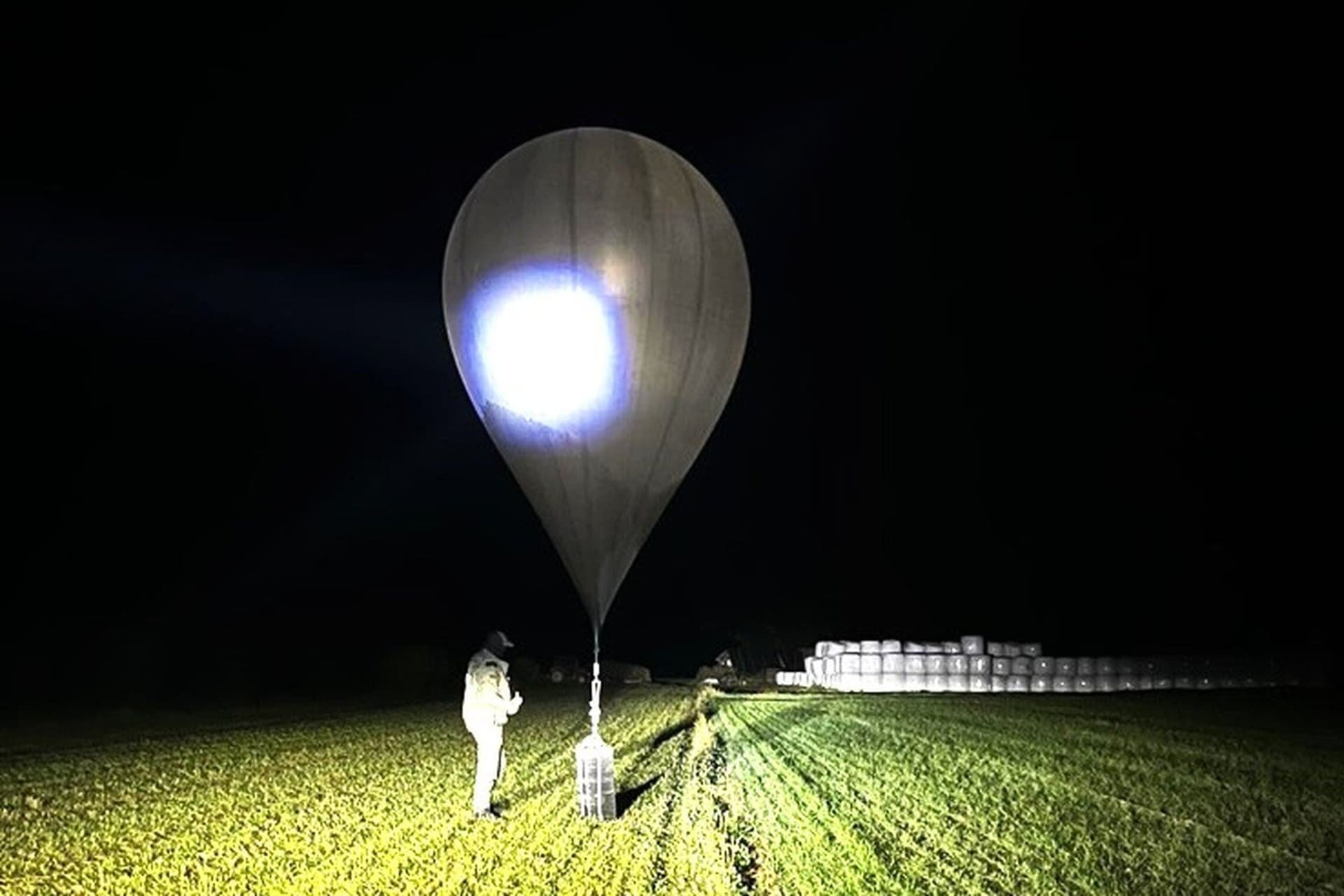
Vilnius International Airport suspended all operations on December 6, 2025 after authorities detected balloons in its airspace, the Lithuanian National Crisis Management Centre said. Air traffic remained closed until 19:05 GMT while aviation and security teams assessed and cleared the skies, the airport said.
The shutdown is the most recent in a wave of disruptions that have affected the capital city airport more than 10 times since early October, according to reporting by Reuters and statements from Lithuanian officials. Authorities in Vilnius have blamed the balloons on smuggling operations transporting contraband, including cigarettes, from neighboring Belarus. Government officials have also framed some of the incidents as part of a broader hybrid pressure tactic connected to Belarus, intensifying diplomatic tensions in the Baltic region.
Operationally the closures pose direct costs to airlines, passengers, and freight forwarders. Temporary suspensions force rapid schedule changes, create cascading delays across European networks, and increase ground handling and accommodation expenses for carriers. For a national hub like Vilnius, repeated interruptions can erode confidence among passengers and logistics customers, prompting airlines to reroute services or seek schedule buffers, which raise unit costs and reduce capacity utilization.
The recurrent incidents also have broader policy implications. Lithuanian officials have publicly attributed responsibility to Belarus and its leadership for failing to stop transits from Belarusian territory, linking the episodes to a pattern of cross border pressure tactics that span beyond criminal smuggling into geopolitical coercion. That attribution has driven calls in Vilnius for tougher border controls, enhanced airspace monitoring, and accelerated cooperation with European Union and NATO partners on countering irregular aerial incursions.

From a security economics perspective, the events are an example of low cost, high disruption tactics. Balloons carrying contraband are inexpensive to deploy but can trigger disproportionate responses including airport closures and diplomatic escalations. That asymmetry shifts costs onto public authorities, the aviation industry, and passengers while complicating enforcement. Repeated incidents are likely to prompt Lithuanian investment in detection and mitigation technology, greater airspace coordination with neighboring states, and regulatory measures that could increase compliance burdens for airlines operating in the region.
Longer term, if the pattern continues, the Baltic states may seek collective EU measures to deter smuggling networks and to sanction actors facilitating aerial transit. For markets, sustained disruption could modestly raise ticket prices on affected routes due to higher operational buffers and insurance premiums. For policymakers, the challenge will be to balance immediate operational fixes with diplomatic efforts to address root causes, while preserving the efficient movement of people and goods through a strategically important European air corridor.