Vinton County Fair Society Sustains Agriculture, Youth and Local Economy
The Vinton County Fair & Agricultural Society runs the county fair and year-round community programs that support local farmers, youth organizations and small businesses. These activities shape local education, economic opportunity and public health practices, making the Society a focal point for countywide outreach and social equity efforts.
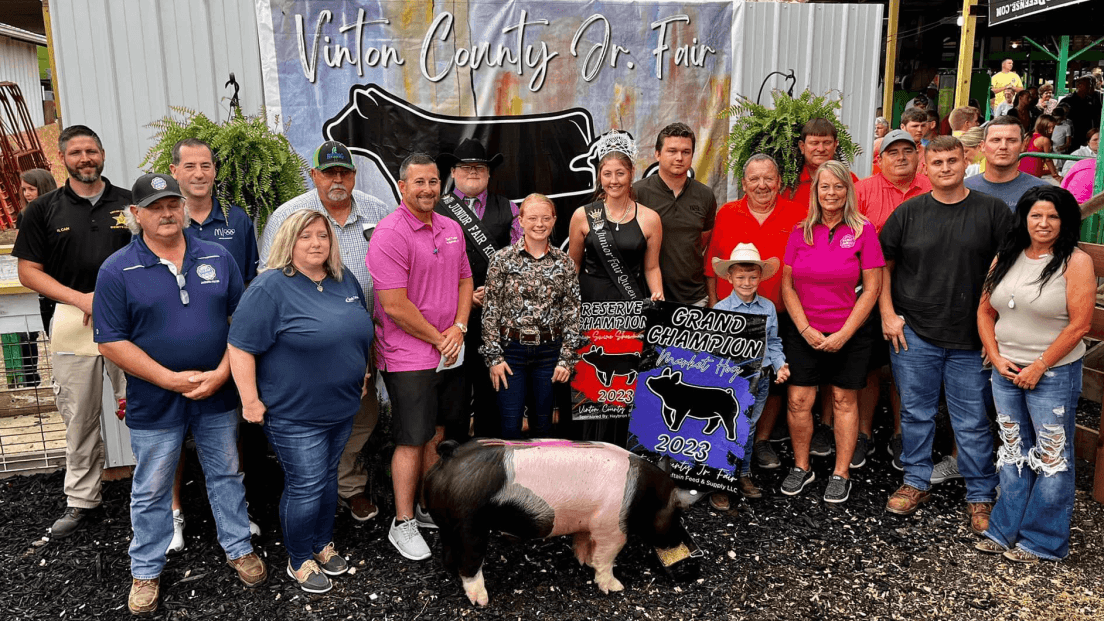
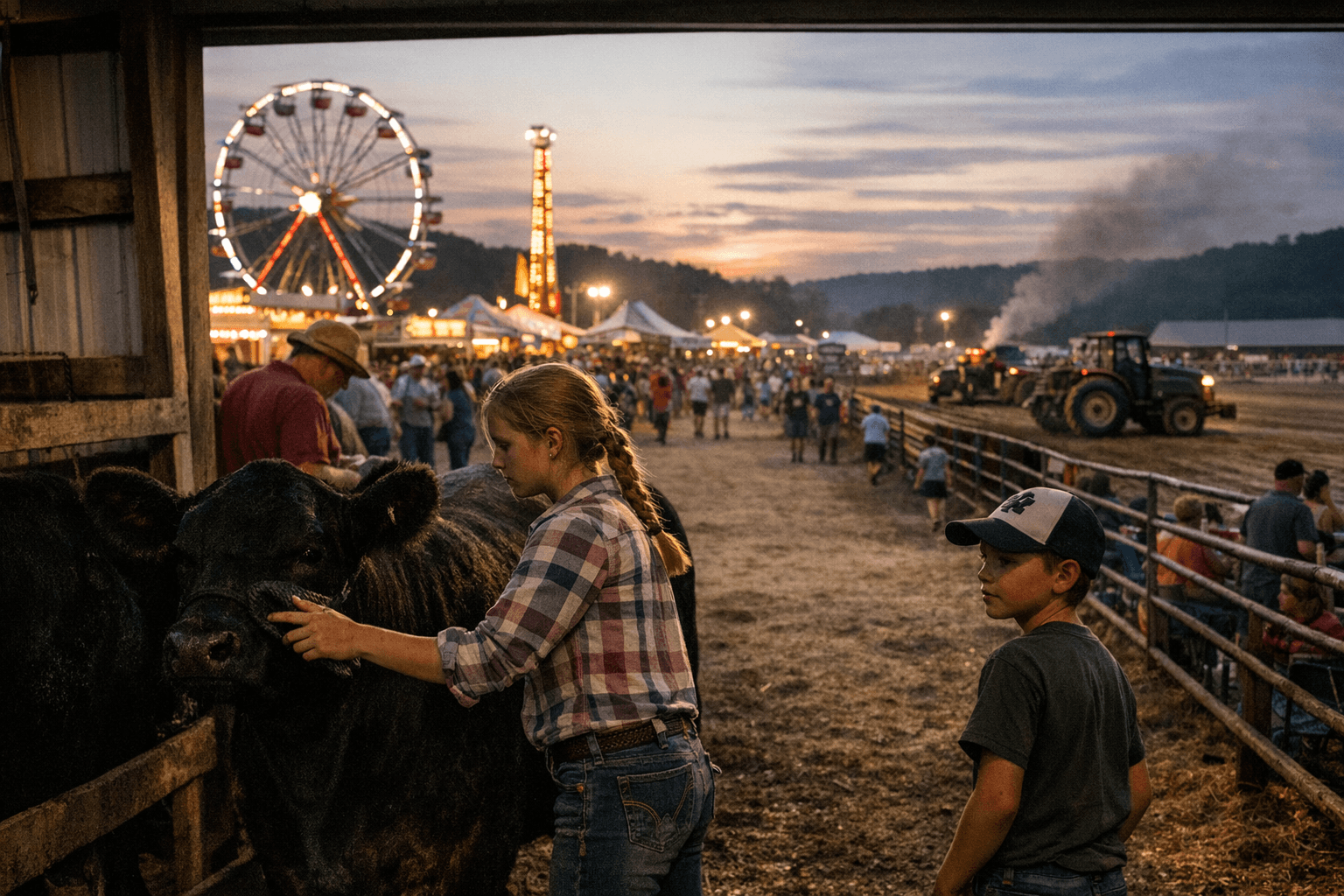
The Vinton County Fair & Agricultural Society organizes the annual county fair and a roster of year-round programs that connect agriculture, education and community life across Vinton County. Typical fair activities include 4-H and FFA livestock and project exhibits, homemaker and craft competitions, daily entertainment, a parade, grandstand events and vendor areas that showcase local artisans and agricultural suppliers. Beyond the fair itself, the Society runs youth agricultural education, scholarship programs and coordinates with local schools and extension services.
For Vinton County residents, the fair serves multiple roles. It is an economic engine for small businesses and agricultural suppliers who depend on vendor areas and fair foot traffic to reach customers. It is also an informal classroom where young people in 4-H and FFA learn animal husbandry, project management and public speaking—skills that can affect educational attainment and future employment. Scholarship programs administered by the Society provide targeted support for students pursuing agricultural or community-focused paths, helping to reduce financial barriers to higher education.
Public health is an integral, though often understated, concern at agricultural events. Fairs bring people into close contact with animals, food vendors and large crowds, so coordination with schools and extension services helps promote safe practices, biosecurity and food safety education. Those partnerships also create pathways for public health messaging about hand hygiene, animal handling and safe food preparation, which protect vulnerable populations including young children and older adults. The Society’s year-round outreach can amplify these messages, integrating prevention into youth education and vendor expectations.
Policy and resource issues underlie the fair’s capacity to serve the community. Many activities rely on volunteer labor, donated time from extension staff and modest budgets that can strain organizers. Sustained public investment in extension services, public health inspections and transportation supports would strengthen access for lower-income families and reduce barriers for prospective vendors and exhibitors from underserved areas. Equitable scheduling, fee waivers or scholarship expansions are practical considerations that influence who can participate and benefit.
As planning typically ramps up in late spring and early summer, residents who want to enter projects, apply for vendor space or volunteer should watch the Society’s official pages for schedules, entry forms and volunteer information. The fair remains a central community institution in Vinton County—one that blends celebration, economic opportunity and education while highlighting broader questions about public health infrastructure and equitable access to agricultural resources.
Sources:
Know something we missed? Have a correction or additional information?
Submit a Tip