Virginia woman arrested in 1991 Baby Jane Doe Richmond case
A Virginia woman was arrested on a 1991 cold case indictment in the Baby Jane Doe death; the arrest highlights advances in forensic work and cross-jurisdiction cooperation.
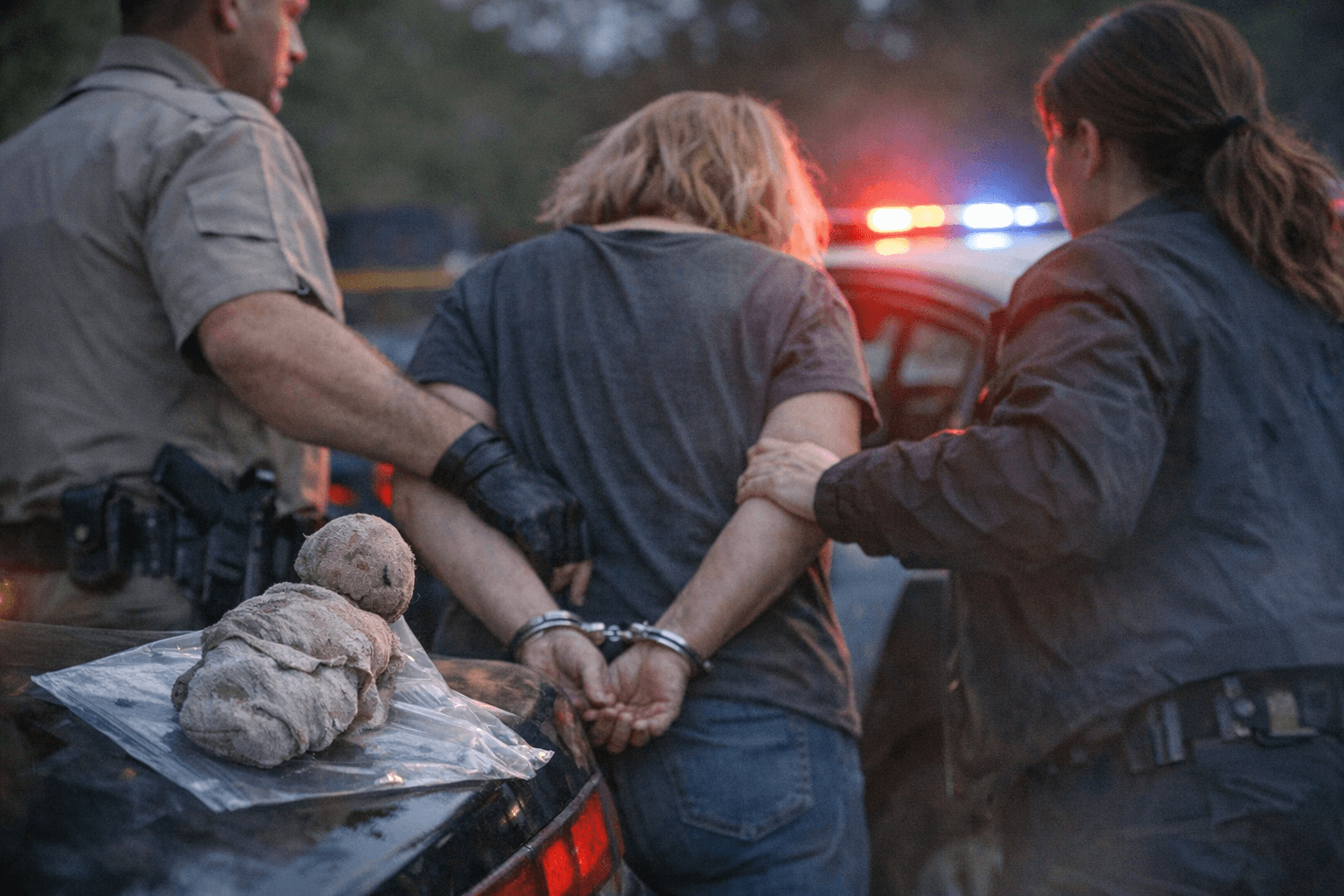
Kentucky State Police Post 7 detectives announced an arrest tied to a decades-old case when Fairfax, Virginia, resident Jennifer Cummins, 55, was taken into custody January 6 by the Fairfax County Fugitive Tracking and Apprehension Team. Cummins faces an indictment from a Madison County grand jury charging her with the murder of an unidentified female infant known as Baby Jane Doe, who was discovered at the former Richmond Landfill in 1991 after being located by a sanitation worker.
The State Medical Examiner and Kentucky investigators determined that the infant was born alive and healthy and was later placed in a dumpster on the campus of Eastern Kentucky University. Despite investigative work at the time, the matter went cold until Post 7 detectives reopened the file in recent years. Using advancements in forensic science and investigative technology, detectives developed new leads that identified Cummins as a person of interest. Investigators corroborated key information during follow-up work in Virginia, and the case was presented to a Madison County grand jury in late 2025, which returned an indictment.
Cummins is currently lodged in the Fairfax County Adult Detention Center awaiting extradition to Kentucky. The investigation remains ongoing as detectives continue to pursue corroborating evidence and prepare the case for prosecution.
For residents of Owsley County, the arrest underscores several practical issues in local public safety and governance. First, it demonstrates how renewed investment in forensic capacity can revive cold cases long after initial investigative efforts have stalled. Second, the arrest highlights the importance of interstate cooperation among law enforcement agencies and specialized units, from fugitive tracking teams to forensic laboratories. Those institutional relationships can determine whether cases are resolved, especially when suspects relocate across state lines.
This development may prompt questions about resource allocation at the county and state level. Madison County’s decision to present the case to a grand jury and the Kentucky State Police’s sustained work reflect prosecutorial and investigative priorities that rely on trained personnel, lab access, and case management continuity. For rural communities like Owsley County, where budgets and staffing are often constrained, the case illustrates the potential value of regional collaboration and state-level forensic support.
The human dimension remains central. A family and a community have awaited answers for more than three decades, and the indictment and arrest mark a significant advance toward accountability. As the legal process moves forward, citizens can expect court scheduling, extradition logistics, and further investigative disclosures to shape the timeline.
Our two cents? Keep following official briefings, ask local leaders how cold-case work is funded, and consider attending county meetings where public safety budgets and interagency partnerships are discussed. Staying informed and engaged helps ensure forensic advances translate into justice for communities across Eastern Kentucky.
Sources:
Know something we missed? Have a correction or additional information?
Submit a Tip