Volunteer Fire and EMS in Quitman County: Community Preparedness Guide
Quitman County depends heavily on volunteer fire departments, local EMS units and mutual-aid agreements with neighboring counties to protect towns and rural residents. This article explains how those services are organized, the challenges they face, and practical steps residents can take to support response capabilities and improve safety.
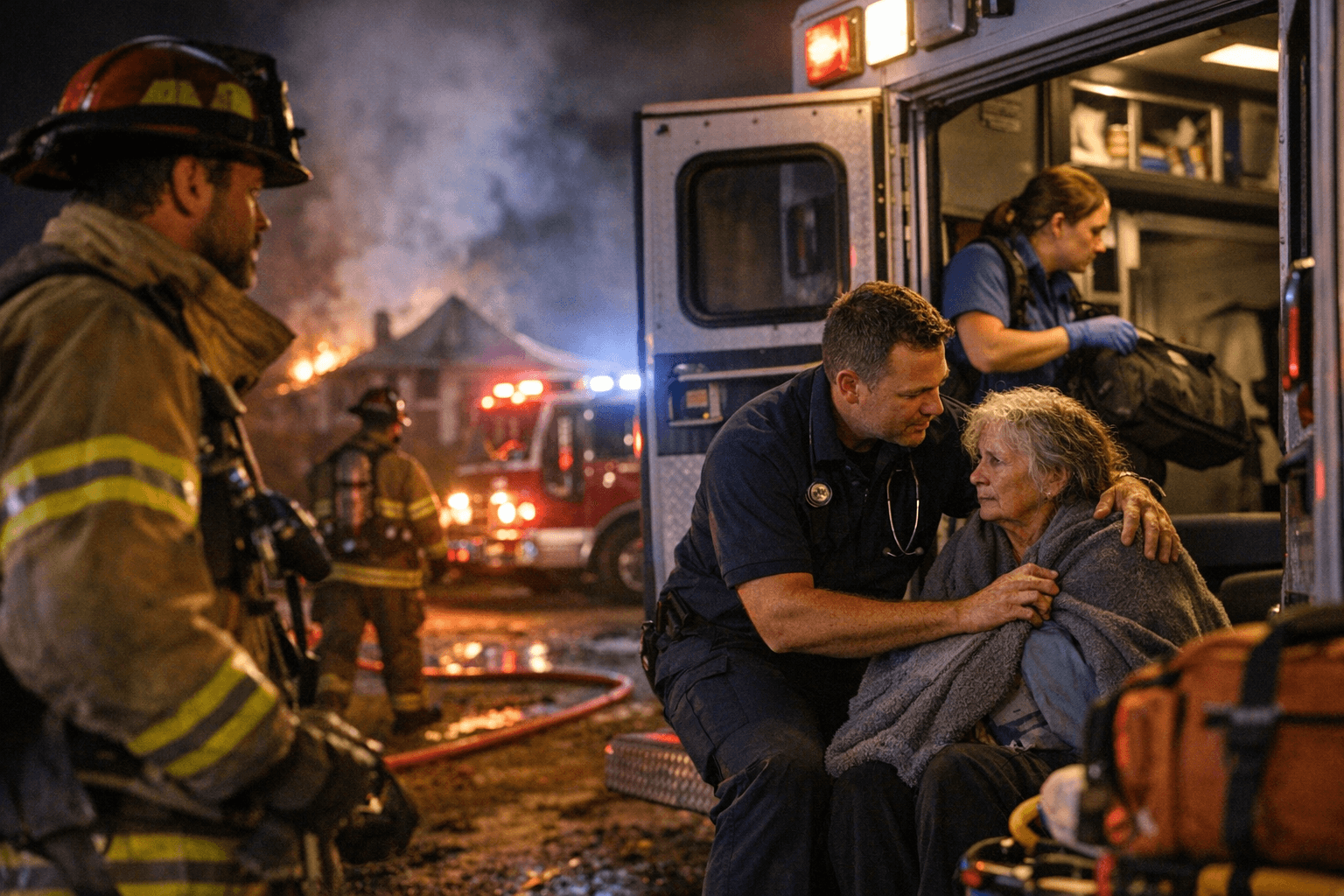
Quitman County’s public safety system is built on local volunteers, small EMS providers and formal mutual-aid arrangements that stretch resources across a sparsely populated, low-tax base region. Towns including Marks, Lambert, Crowder, Falcon and Sledge rely on volunteer fire departments to staff engines and tankers, deliver initial fire suppression, protect structures and assist at vehicle extrications and weather-related incidents. Rural emergency medical services come from a mix of volunteer EMTs, county-contracted ambulances and regional providers based in larger neighboring towns; response times vary widely with distance and staffing.
Because local budgets are limited, mutual aid from Panola, Tunica, Coahoma, Tallahatchie and other counties is common. Those agreements supply additional apparatus, personnel and specialized rescue assets when an incident exceeds local capacity. For residents, that network is the backbone of safety but it also means services can be slower or less certain in remote areas, especially where hydrants are unavailable and tanker shuttles are required.
Several persistent challenges shape operations and response outcomes. Recruitment and retention of volunteers is an ongoing problem tied to demographic trends and limited municipal revenue, making it difficult to hire full-time personnel. Equipment and funding gaps force many departments to combine local fundraising, grant applications at the state and federal level, and donations or volunteer labor to buy and maintain apparatus, turnout gear and radios. Regular training is essential for fire, EMS, hazardous-materials awareness and vehicle rescue, yet travel to regional training centers creates time and cost barriers for volunteers. Seasonal flooding and poor rural road conditions further complicate access and can delay mutual-aid responses.
Residents can take direct steps to reduce risk and bolster local capacity. Know the name and telephone contact of your nearest volunteer fire department by calling your city or county office; municipal clerks and the Quitman County Board of Supervisors maintain the most current contact lists and emergency protocols. Support departments through donations, attending fundraisers, providing meals for volunteers, or offering administrative help. Encourage recruitment by inquiring about volunteer or junior firefighter programs and local EMT training offered through community colleges or state fire academies.
Prepare your property for limited water supply by creating defensible space, keeping 911 address numbers clearly visible from the road and maintaining an evacuation plan. Stay informed during severe weather by signing up for county emergency alerts, following municipal social pages and keeping a battery- or wind-powered radio and basic emergency kit on hand. Strengthening volunteer ranks, securing grant funding and sustaining community support will improve response times and outcomes across Quitman County. For definitive, up-to-date contact information or operational status of any specific department, contact the Quitman County Board of Supervisors or your town hall directly.
Know something we missed? Have a correction or additional information?
Submit a Tip