Volunteer Pet Detectives Reunite Lost Animals Across Island County
A volunteer group of "pet detectives" led coordinated searches on January 6, 2026, helping to reunite multiple lost dogs and cats with their owners across Island County. Their work highlights the power of community networks and social media, while underscoring public health, shelter capacity, and equity issues that affect how quickly pets are recovered.
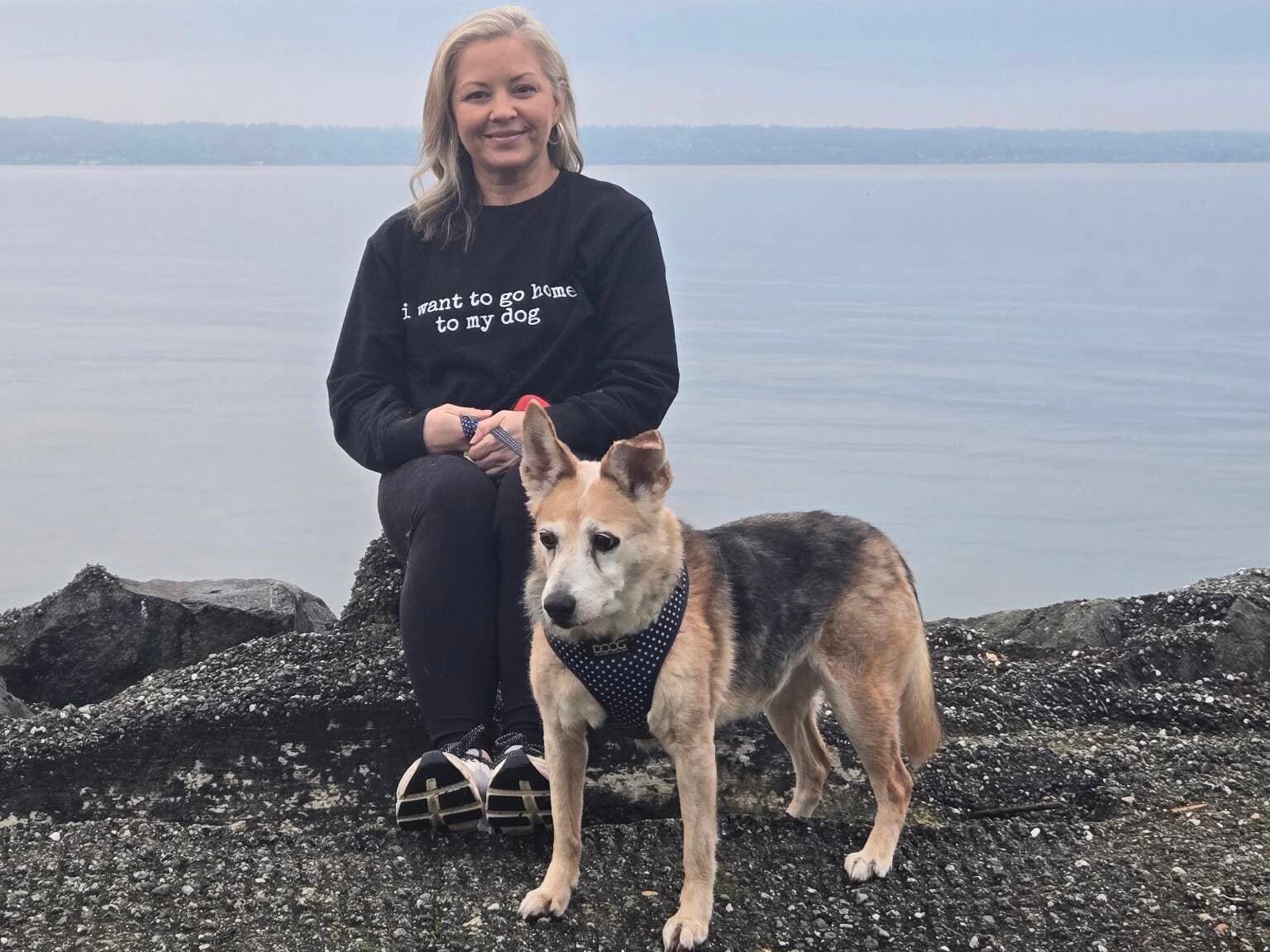
On January 6, a loose coalition of volunteers known locally as pet detectives organized searches that resulted in the successful reunification of several lost animals with their families across Island County. Volunteers relied on door-to-door canvassing, posters, community social media posts, coordinated stakeouts, and routine microchip scanning to locate missing pets, often working alongside animal control officers and staff at local shelters.
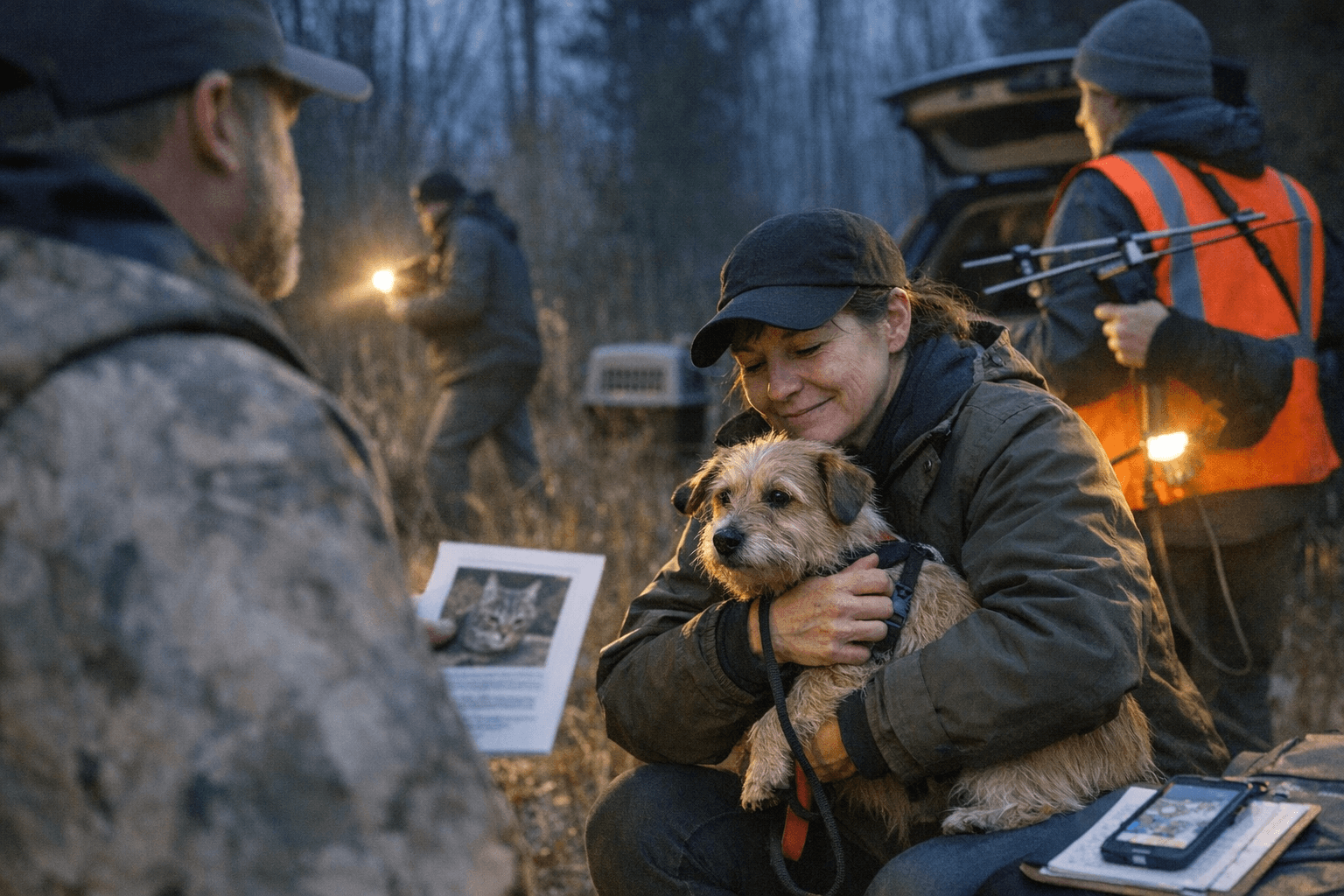
The group’s approach combined rapid community alerts with targeted on-the-ground action. When an animal was reported missing, volunteers shared photos and last-known locations through neighborhood social channels, distributed printed flyers, and set up search teams to cover likely hiding spots. Volunteers also brought animals they found to shelters or arranged temporary foster care while caregivers were contacted. These coordinated efforts shortened the time animals spent away from home and reduced shelter intake backlog.
The impact on owners was immediate and emotional. Reunions after hours or days apart eased anxiety for families and reduced the risk that frightened animals would run into traffic or be injured. For the broader community, the work reduced the number of stray animals roaming public roads and parks, lowering hazards for pedestrians and drivers and easing demands on emergency responders.
Preventing future losses remains a priority. Volunteers and shelter staff emphasize practical steps: microchipping and ensuring the chip registration is current; placing secure, legible identification tags on collars with up-to-date contact information; inspecting and reinforcing fences, gates, and screens; supervising animals outdoors and using leashes in unfenced public areas; and keeping recent photos readily available to post in alerts. When a pet is found or lost, residents are asked to notify Island County animal control, local shelters, and neighborhood social media groups immediately so searches can begin quickly and scans for microchips can be performed.
The recent activity also highlights systemic issues that affect recovery rates. Shelters and animal control services can be stretched during surges in lost-animal reports, and not all owners can afford microchipping, secure fencing, or retrieval fees. Those gaps have public health and equity implications: lost animals can contribute to vehicle collisions, bite incidents, and stress-related illnesses within families, and low-income households are disproportionately affected when prevention measures are cost-prohibitive.
Local leaders and volunteers say policy responses could include subsidized or free microchip clinics, expanded funding for shelter capacity, and stronger coordination between animal control, public health, and community groups to prioritize outreach in underserved neighborhoods. For now, the volunteer pet detectives remain a vital community resource, demonstrating how neighbor-to-neighbor action paired with local services can help keep Island County’s animals and people safer.
Sources:
Know something we missed? Have a correction or additional information?
Submit a Tip