Wake County Benefits, Soccer Tournaments Drive $31.1 Million In Spending
Greater Raleigh hosted a fall slate of youth, collegiate and high profile soccer tournaments, drawing nearly 85,000 visitors and generating an estimated $31.1 million in direct spending. The events, anchored by WakeMed Soccer Park in Cary and capped by NCAA College Cup matches through December 8, 2025, boosted local hospitality revenue and reinforced sports tourism as a growing economic driver for Wake County.
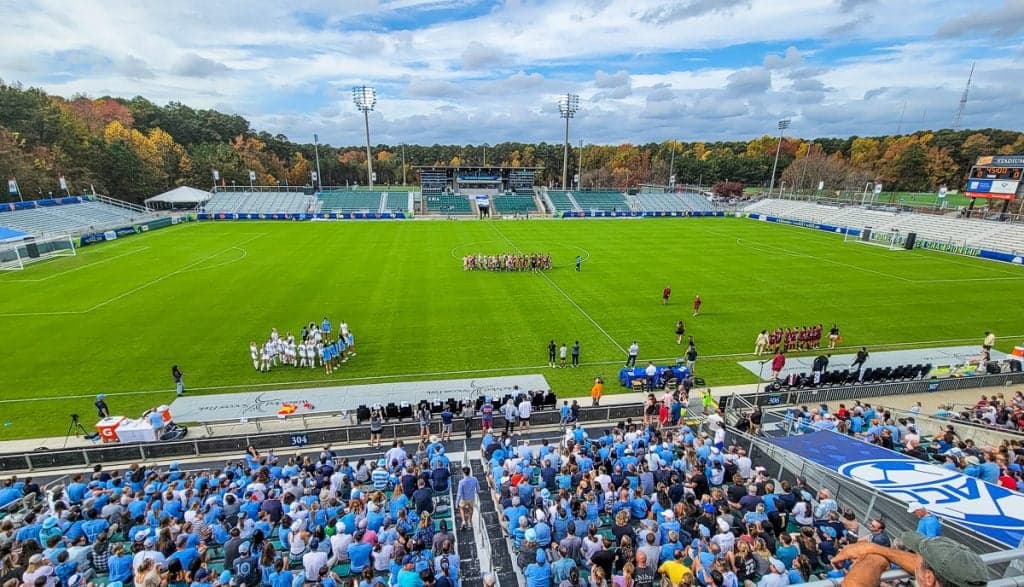
Greater Raleigh emerged this fall as a major hub for soccer activity, hosting youth tournaments, collegiate showcases, ACC championships and the NCAA College Cup that ran through December 8, 2025. The combined events attracted nearly 85,000 visitors and produced an estimated $31.1 million in direct spending, a level of activity that translated into wider benefits for hotels, restaurants and transportation services across Wake County.
WakeMed Soccer Park in Cary served as the centerpiece venue, accommodating high profile matches and multi field tournament schedules that helped concentrate visitor demand in the Cary and Raleigh hospitality markets. Using the headline figures, direct spending averaged roughly $366 per visitor, a useful benchmark for estimating the impact on lodging, dining and retail earnings when tournament schedules overlap on weekends and holiday periods.
Local hospitality providers reported fuller calendars during the fall slate, and community partnerships with tourism officials and sports organizations amplified the region's capacity to host large youth and collegiate events. Those partnerships underpin the event logistics that bring teams and families to the region, while also creating seasonal jobs and incremental tax receipts for Wake County. The concentrated nature of tournaments tends to increase occupancy rates and booster sales tax revenue in short bursts, benefits that can matter to small businesses that rely on weekend traffic.

From a policy perspective, the numbers strengthen the case for continued investment in sports infrastructure and coordinated marketing, while also highlighting the need to measure returns on any public spending tied to facilities or event support. Planners should account for transportation capacity, parking management and workforce readiness to sustain growth without eroding resident quality of life.
Looking ahead, sports tourism in Wake County appears positioned to remain a steady contributor to the local economy as youth soccer participation and collegiate competition stay robust. For residents and local businesses the recent tournament season translated directly into customers, payroll and municipal revenues, underscoring the economic value of hosting regional and national sporting events.
Sources:
Know something we missed? Have a correction or additional information?
Submit a Tip