Wake County housing authority posts January pop-up food markets schedule
Wake County Housing Authority announced January pop-up food markets; distributions are open to all while supplies last and no ID or income proof is required.

The Wake County Housing Authority posted its January pop-up markets schedule on Jan. 7, making residents and neighboring communities aware of a series of free food distributions available through the Food Bank of Central & Eastern North Carolina. The announcement emphasizes that food is provided while supplies last and that there are no income, residency or ID requirements to receive assistance.
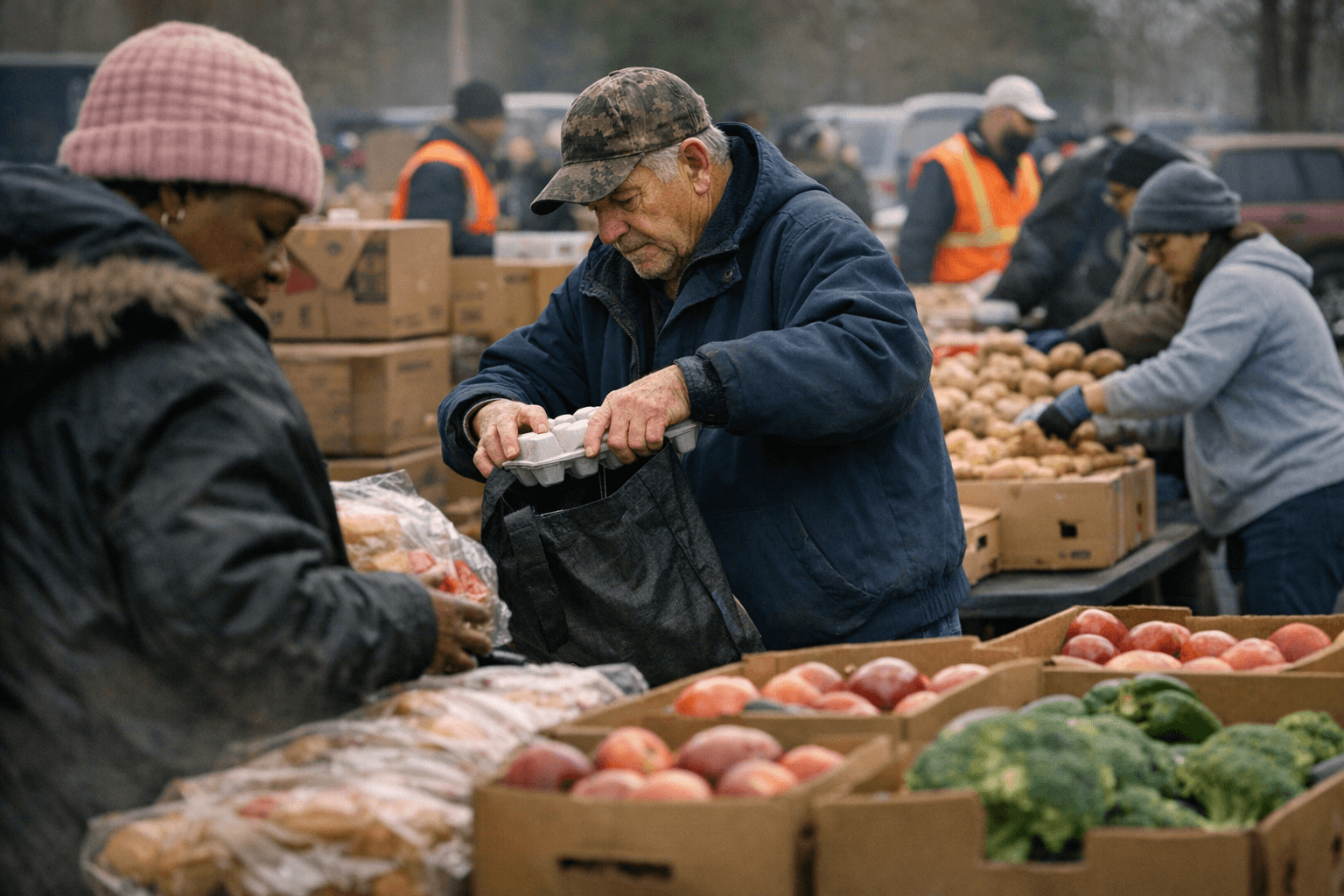
Pop-up markets are a rapid-response tool for getting groceries and shelf-stable items to neighborhoods with higher needs. For Wake County residents living in public housing or nearby communities, these distributions can reduce immediate hunger, ease pressure on household budgets and help families manage chronic health conditions that are worsened by food insecurity. The WCHA post links recipients to the Food Bank’s Pop-Up Markets page for full dates and distribution locations, so neighbors can find the closest event and plan accordingly.
The lack of documentation requirements is significant for local equity. Removing barriers such as proof of income or residency can increase access for people experiencing unstable housing, undocumented residents and others who may avoid assistance because of paperwork hurdles. From a public health perspective, broader, low-barrier access to nutritious food supports community resilience and can lower demand for costly emergency services that often spike during periods of high need.
At the same time, pop-up markets operate under the constraint that supplies are limited. That means timing matters: arrivals earlier in the distribution tend to find fuller selections. Transportation remains a practical barrier for some Wake County residents who live farther from market sites or lack easy access to transit. For older adults, people with disabilities and households with young children, planners and service providers will need to consider delivery options, volunteer-based rides and on-site supports to make the markets reach those who need them most.
The pop-up schedule also matters for local policy conversations about food access and housing stability. Regular, predictable distributions can act as a short-term safety net, but they also highlight gaps in long-term systems: food deserts, insufficient SNAP uptake, and the need for coordinated services between housing authorities, health providers and community-based organizations.
The takeaway? Check the Food Bank of Central & Eastern North Carolina’s Pop-Up Markets page for specific dates and locations, arrive early when possible, and let your property manager or a neighbor know about the schedule so word spreads. Our two cents? Treat these markets like neighborly lifelines—bring sturdy bags, share the schedule with anyone who might need it, and if you can, volunteer to help make sure the food reaches everyone who needs it.
Sources:
Know something we missed? Have a correction or additional information?
Submit a Tip