Wake Forest warns residents of widespread permit related email scams
Wake Forest officials issued an alert on December 12 about a wave of fraudulent emails targeting permit applicants and other residents, urging vigilance to avoid financial loss and identity exposure. The notice explains common signs of the scam, offers steps to report spoofed messages, and directs residents to verify communications through official town channels.
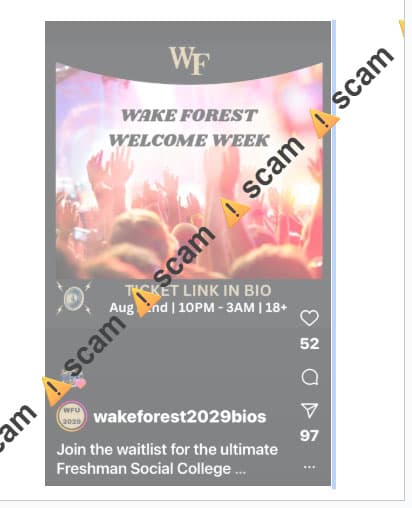
Wake Forest town officials warned residents on December 12 that fraudulent email campaigns have been targeting people applying for permits and other community members. The town described a pattern of unsolicited requests for payment or personal documents and email addresses that appear suspicious or do not match official town accounts. Officials urged recipients to treat unexpected messages with caution and to verify communications before responding.
The immediate risk to residents includes potential financial loss, theft of personal information, and delays to permit processing if applicants respond to fraudulent requests. For municipal operations, the scams can erode public trust in digital communications and increase administrative burdens as staff respond to reports and try to validate legitimate requests. Permit applicants who rely on timely approvals for construction or business activity may face costly setbacks if fraudulent emails disrupt normal procedures.
The town provided practical guidance for spotting fraudulent messages, recommending that residents scrutinize sender addresses, resist unsolicited requests for payment or sensitive documents, and confirm any instructions through official town contact points. Residents were directed to the Town of Wake Forest website at wakeforestnc.gov to verify communications and to contact Town Hall or the appropriate town office in person or by phone when in doubt. The town also explained how to report spoofed emails to municipal staff so investigations can proceed and other residents can be warned.

Beyond immediate precautions, the incident highlights institutional questions about how local governments secure electronic communications and maintain public confidence. Municipalities can reduce risk by publishing clear lists of official email addresses and payment methods, implementing stronger email authentication, and running regular public awareness campaigns about common fraud tactics. For Wake County residents, maintaining vigilance and verifying unusual requests will help protect personal data and keep local permitting and municipal services functioning smoothly.
Residents who receive suspicious emails related to town business should not reply to the message, should not provide payment or personal documents, and should contact the Town of Wake Forest through the official website or Town Hall to confirm whether the message is legitimate.
Sources:
Know something we missed? Have a correction or additional information?
Submit a Tip

