Where to walk, play and breathe in Seminole County parks
Find the county’s top trails, preserves, parks and sports hubs, plus safety tips, community impacts and how to stay informed before you go.
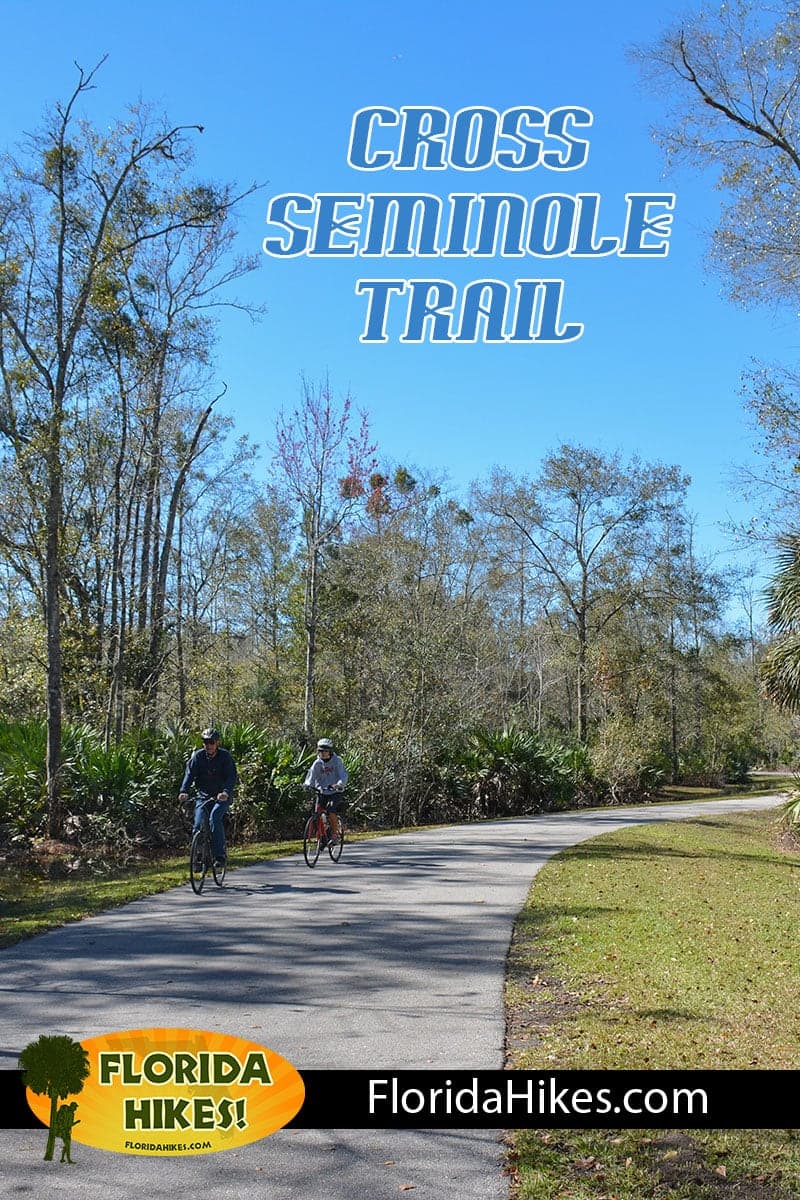
1. Cross Seminole Trail The Cross Seminole Trail is a long, multi-use paved corridor that links Sanford, Lake Mary, Longwood and Oviedo, weaving through neighborhoods, parks and commercial areas.
Popular trailheads include Spring Hammock and Seminole County parks, and the route is heavily used by walkers, runners and cyclists for daily commutes, family outings and longer training rides. For public health, the trail is a vital active-transportation and recreation asset that helps reduce chronic disease risk and supports mental health by giving residents reliable, car-free space for exercise. As a community connector, it also raises equity questions: consistent maintenance, lighting, and safe crossings are essential so people of all ages and abilities can use it without added risk.
2. Spring Hammock Preserve Spring Hammock Preserve is a managed conservation area with primitive trails, raised boardwalks and strong birding and native-plant viewing opportunities, offering quiet hikes and habitat education.
The preserve’s lower-impact trails make it ideal for anyone seeking solitude, wildlife observation, or an easy nature walk with kids. From a public health viewpoint, preserves like Spring Hammock promote stress reduction and environmental literacy, but they also need clear information about trail difficulty, accessibility and mosquito/tick season risks so visitors can protect themselves. Protecting these green spaces requires local funding and conservation policy that balances public access with habitat preservation.
3. Sylvan Lake Park Sylvan Lake Park, near Sanford, is a waterfront space with picnic areas, paved and natural trails, and views across the lake used for family recreation and community events.
The park’s shoreline and open space create room for low-cost outdoor programming like movie nights or fitness classes that strengthen neighborhood ties and support child and family wellbeing. As event activity grows, planners must consider parking, restroom capacity, and emergency access so community benefits don’t come at the cost of overcrowding or safety gaps. Maintaining lake health—through stormwater management and pollution prevention—also affects recreational quality and public health downstream.
4. Boombah Sports Complex and county sports parks Boombah and other county sports complexes are large multi-field venues for youth baseball, softball and soccer that host tournaments drawing teams and families from across Florida.
These tournaments are a major component of Seminole County’s sports-tourism economy, bringing hotel, restaurant and retail revenue but also creating weekend surges in traffic and demand on local services. Policymakers should weigh this economic benefit against community impacts like noise, parking strain and increased need for public safety and medical standby services, and plan for equitable access so local youth and lower-income families can participate. Coordinated scheduling, shuttle services and clear signage can reduce disruptions and improve inclusivity.
5. Local neighborhood parks (Lake Mary, Longwood, Oviedo, Casselberry) Neighborhood parks across Lake Mary, Longwood, Oviedo and Casselberry provide playgrounds, courts, picnic facilities and seasonal programming; they're the everyday parks where many kids learn to play and neighbors meet.
These municipal parks are often better kept and programmed than regional spaces, but quality varies by neighborhood due to budget disparities and different capital priorities. To keep these parks safe and usable, check your city’s parks & recreation page for updates on closures, resurfacing schedules and event listings, and advocate through your neighborhood association for funding where gaps exist. Parks with inclusive design, shade and restrooms support equitable access for seniors, caregivers with young children and residents with disabilities.
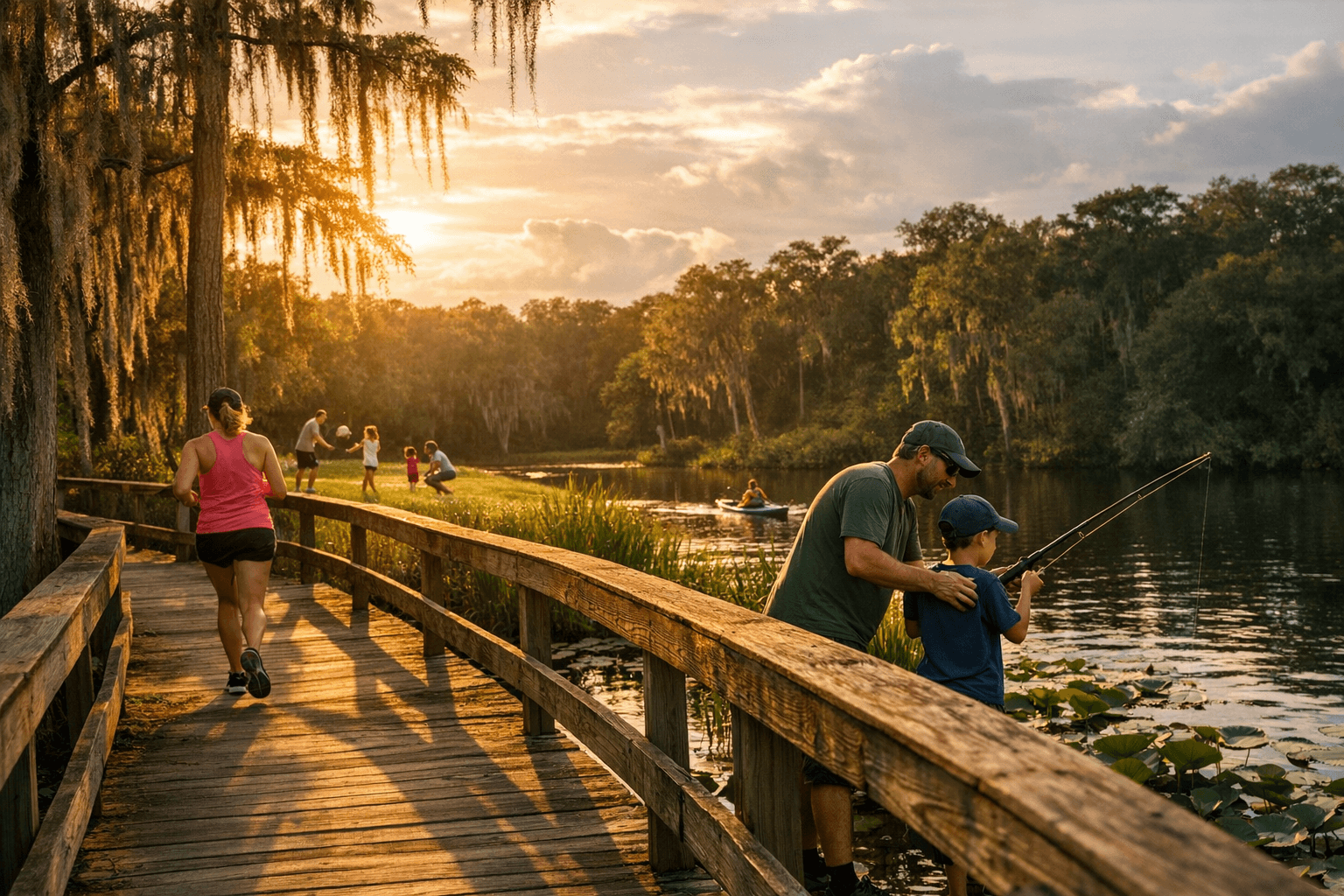
- Bring water and sun protection year-round—Florida sun and humidity can dehydrate you even in winter; broad-spectrum sunscreen and a hat reduce heat-related harm.
- Check city or county webpages before you go for temporary closures, resurfacing schedules, and event listings—especially in winter and spring when maintenance and tournaments increase.
- Be ready for event traffic on tournament weekends; leave extra time, consider carpooling or using nearby shuttle options, and follow posted parking instructions to reduce congestion and protect pedestrians.
6. Visitor health and safety tips
These practical steps reduce heat-related illness, prevent surprises that can derail an outing, and limit the strain on emergency services during busy weekends.
7. Public health, equity and policy considerations Parks and trails are preventive health infrastructure: they lower the community burden of chronic disease, improve mental health, and offer free or low-cost recreation.
But benefits are not evenly distributed—transportation access, shade provision, restroom availability and ADA-compliant features all shape who can use these spaces safely. Local policy priorities should include targeted investments in neighborhoods with less green space, transparent resurfacing and maintenance schedules, and partnerships with schools and clinics to promote park-based programming that serves low-income families and older adults. Emergency medical response plans and on-site first aid at large tournaments protect visitors and keep medical systems from being overwhelmed.
8. How to stay connected and involved Sign up for your city’s parks & recreation alerts, follow county social channels for trail maps and event calendars, and join local Friends-of-the-Park groups to volunteer on cleanups or help steward native-plant projects.
Attending a parks commission meeting or emailing elected officials about shade structures, lighting, or accessible pathways can turn a small concern into funded change. Community stewardship also helps balance recreational use and conservation, keeping places like Spring Hammock thriving for future generations.
Our two cents? Treat local parks like shared front yards: plan ahead, pack water and sunscreen, and speak up when maintenance or access feels unequal. When you pitch in—showing up for a cleanup, a park meeting, or a family walk—you help shape Seminole County’s health, equity and sense of neighborhood for everyone.
Know something we missed? Have a correction or additional information?
Submit a Tip