White House Strategy Warns Europe Could Become Unrecognizable Within Decades
The administration quietly released a 33 page National Security Strategy that reorders U.S. priorities toward the Western Hemisphere and the Indo Pacific, and sparked immediate diplomatic pushback when it warned that Europe could be "unrecognizable in 20 years or less." The document’s call for allies to assume greater defense burdens and a reassertion of hemispheric influence raises immediate questions for NATO cohesion, defense budgeting, and U.S. domestic politics.
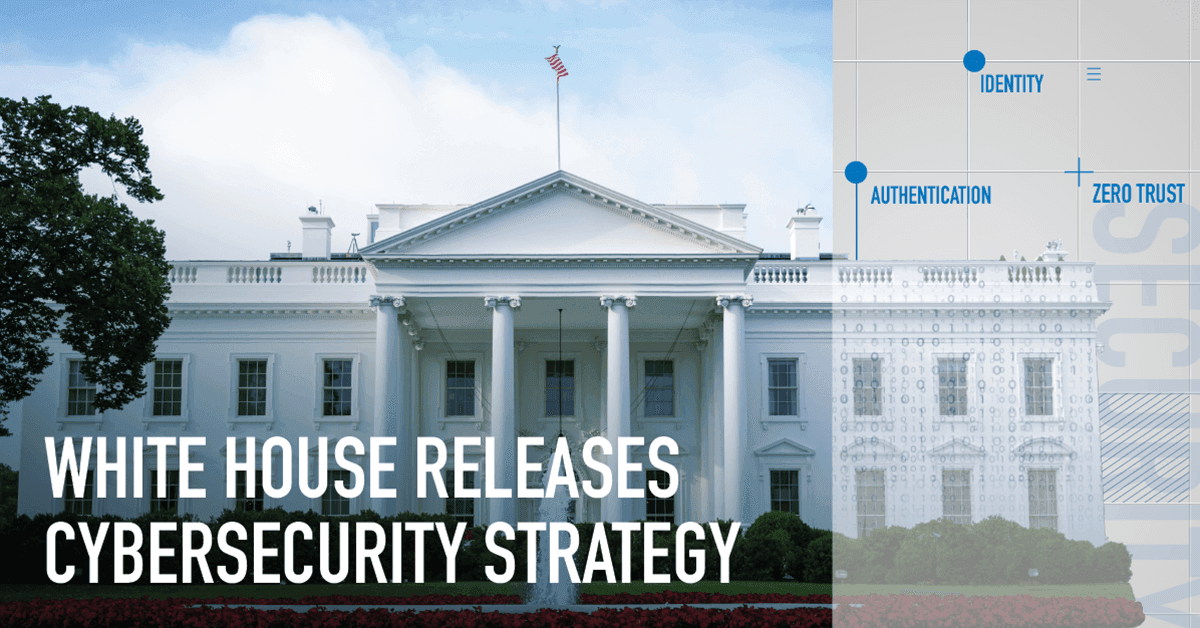
The White House quietly posted a 33 page National Security Strategy late on December 4 and into December 5, and the document drew swift global attention when it was publicized on December 5 and 6, 2025. The strategy recasts U.S. foreign policy around a regional, America First orientation that elevates the Western Hemisphere and reserves major forces for the Indo Pacific while urging allies to accept larger security responsibilities.
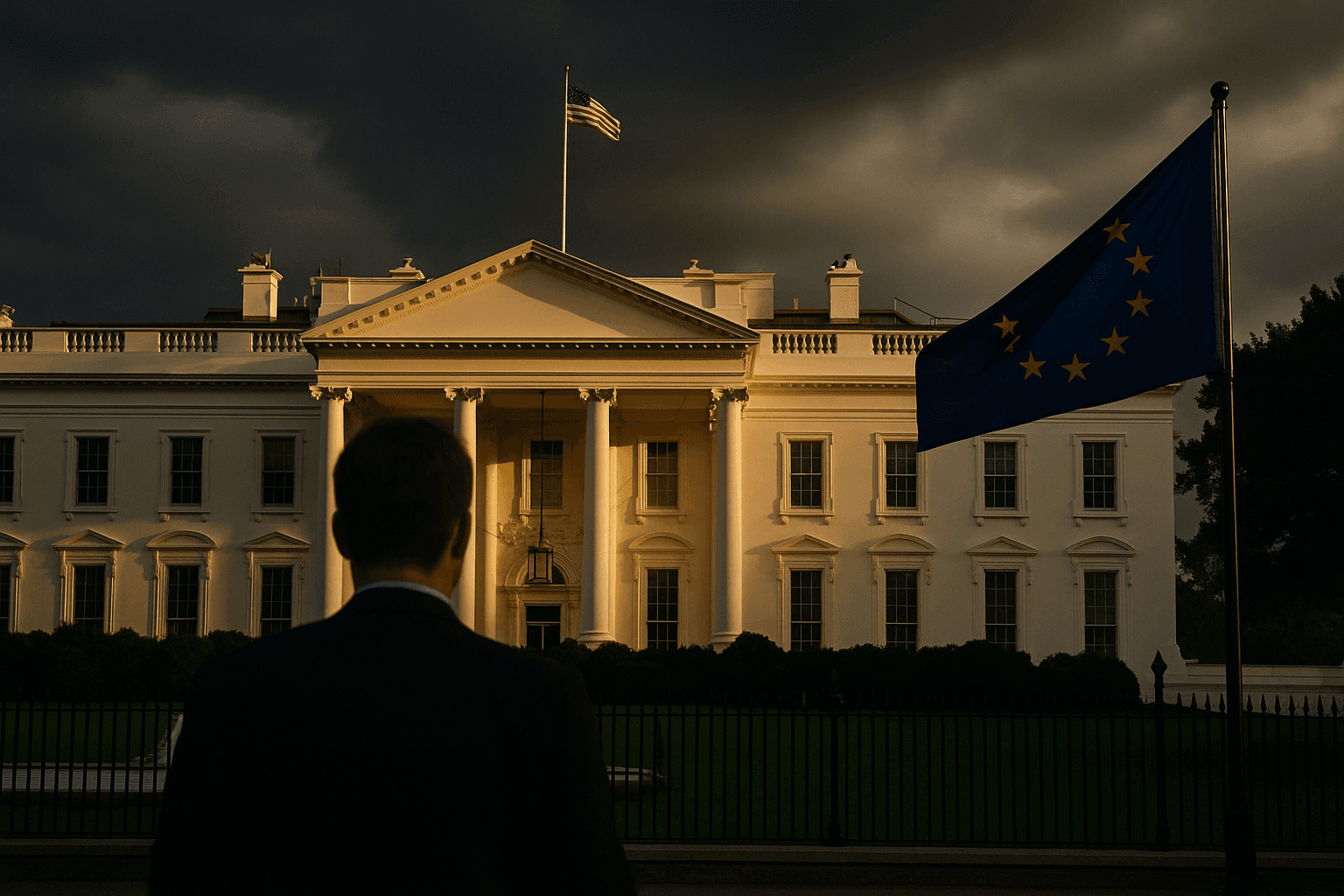
The document contains stark language about Europe, warning that the continent could be "unrecognizable in 20 years or less" absent major political and demographic shifts, and it calls for efforts to "cultivate resistance" to the trajectory it describes. Those passages were seized upon by European capitals and diplomatic corps, producing sharp reaction and a flurry of commentary about the future of transatlantic ties.
Policy shifts outlined in the strategy include a reallocation of U.S. military presence away from long standing commitments in Europe and the Middle East toward the Western Hemisphere and the Indo Pacific. The strategy asks partners especially Japan, South Korea and NATO members to substantially increase defense contributions. It downgrades the Middle East as a central focus and reframes China primarily as an economic competitor while maintaining a stated priority for a secure Taiwan.
The strategic pivot raises immediate institutional and alliance questions. For NATO, a U.S. posture that signals reduced permanent presence and stronger demands for burden sharing risks exacerbating existing political fissures within the alliance. European diplomats said the language was alarming, while other officials stressed that longstanding security cooperation would continue despite the criticism. For U.S. military planners the paper implies adjustments to basing, force posture and contingency planning that would need to be reconciled with budget cycles and congressional oversight.
Domestically the release is certain to intensify debate in Congress over defense appropriations and treaty commitments. Lawmakers from districts tied to overseas bases and defense contractors could press for clearer guarantees, while advocates for regional engagement in Latin America and the Caribbean may see an opening to press for increased resources. The strategy also presents messaging challenges for the administration as it seeks to justify a regional refocus to voters who remain attentive to crises abroad.
The partisan and civic implications extend into electoral politics. Calls for allies to pay more and for a more insular ordering of priorities could energize constituencies that favor retrenchment while alienating voters with strong commitments to NATO and global leadership. The document’s language may prove a focal point for both congressional oversight hearings and public debate in the months ahead.
Analysts and diplomats will spend the coming days parsing how policy commitments in the strategy translate into directives, deployments and budget proposals. For now the document has shifted the terms of debate, forcing allies and domestic institutions to weigh whether the United States is preparing for a different era of engagement and what that change will mean for shared security institutions.