Winter Recreation and Safety, A Practical Guide for Albany County
This guide explains where to recreate safely around Albany County and how to plan for changing winter conditions. Learn about Snowy Range access, Laramie downtown winter activities, services in Centennial and Rock River, practical safety steps, and local resources for emergencies and healthcare.
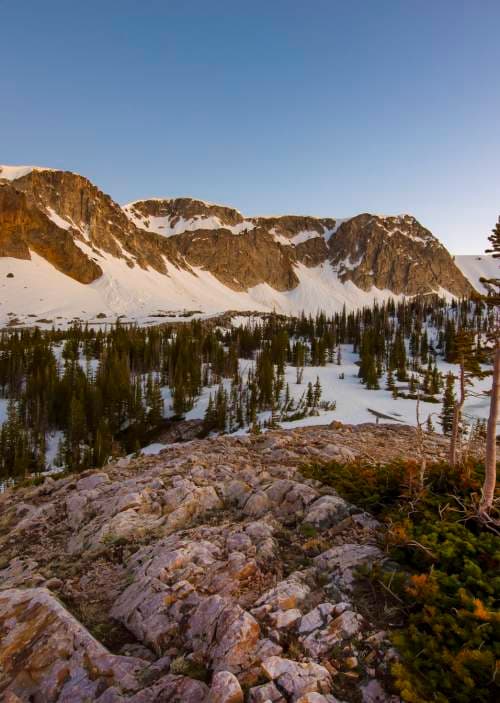
1. Snowy Range access and winter recreation The Snowy Range (WY 130) offers multiple access points for winter recreation, including trailheads and highway pullouts near Centennial and the Mirror Lake area.
Typical activities include downhill and backcountry skiing on varied terrain, snowshoeing on established trails, snowmobiling along designated routes, and ice fishing on frozen lakes when conditions allow. Mountain weather can change quickly at higher elevations, so respect posted closures and avalanche advisories before entering backcountry areas and avoid travel into closed zones. For road status and closures on WY 130 check WYDOT regularly before you leave so you are not stranded by sudden closures or impassable conditions.
2. Laramie downtown winter attractions Laramie’s historic downtown is pedestrian friendly in winter and works well for self-guided walking tours that combine storefront history with seasonal window displays.
Washington Park’s Winter Lights provides a family-friendly evening experience with illuminated displays and a chance to be outdoors safely in a neighborhood setting. Local restaurants, cafés, and entertainment venues remain open through winter months, offering warm indoor options after outdoor activities and supporting the local economy during the colder season. Plan your evening outings with consideration for mobility and transit options, especially for older adults and families who may need accessible routes and seating.
3. Centennial and Rock River services, lodging, and travel realities Centennial and Rock River are small communities with limited services in winter, which affects travelers and residents who rely on local fuel, groceries, and lodging.
Seasonal lodging options may be available but can fill quickly during holiday weekends; book in advance and confirm winter operating hours. Holiday markets and community events support local vendors but may have reduced vendor presence or shortened hours in severe weather, so check local announcements before traveling. Because fuel and repair services are sparse, carry extra supplies and plan refueling points; running out of fuel or missing an appointment with limited local healthcare can create preventable risks.
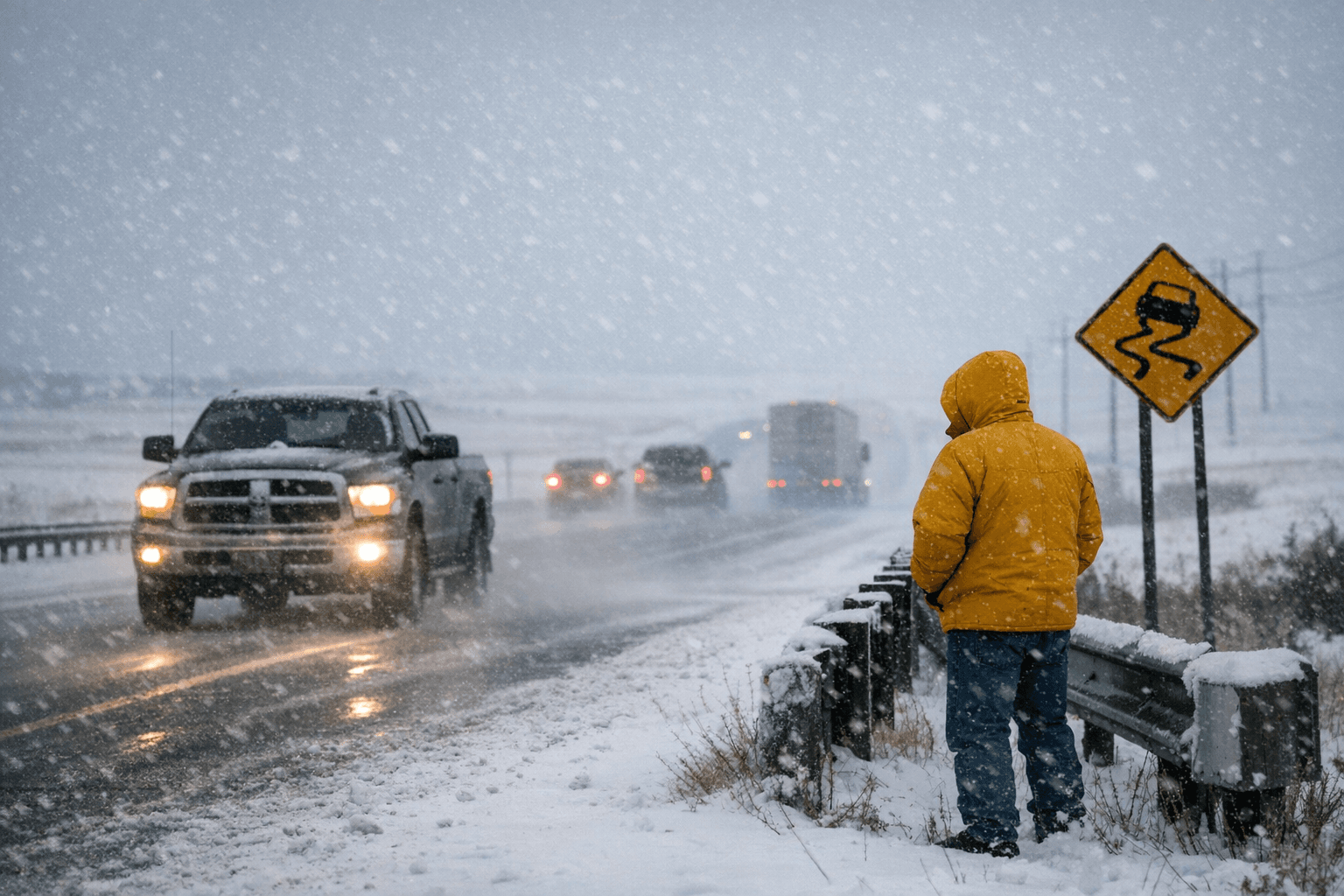
4. Safety, weather, and avalanche considerations Rapid changes in mountain weather increase risks for hypothermia, frostbite, and being stranded; always monitor National Weather Service warnings and WYDOT advisories before and during travel.
Be mindful of avalanche risk zones and stick to marked trails and routes; professional rescue in avalanche terrain is limited and response times are longer in remote areas. Avoid travel during high wind and winter storm warnings unless travel is essential, and inform someone of your route and expected return time to assist search efforts if needed. Respect posted closures and signage in the high country to protect both your safety and the safety of emergency responders.
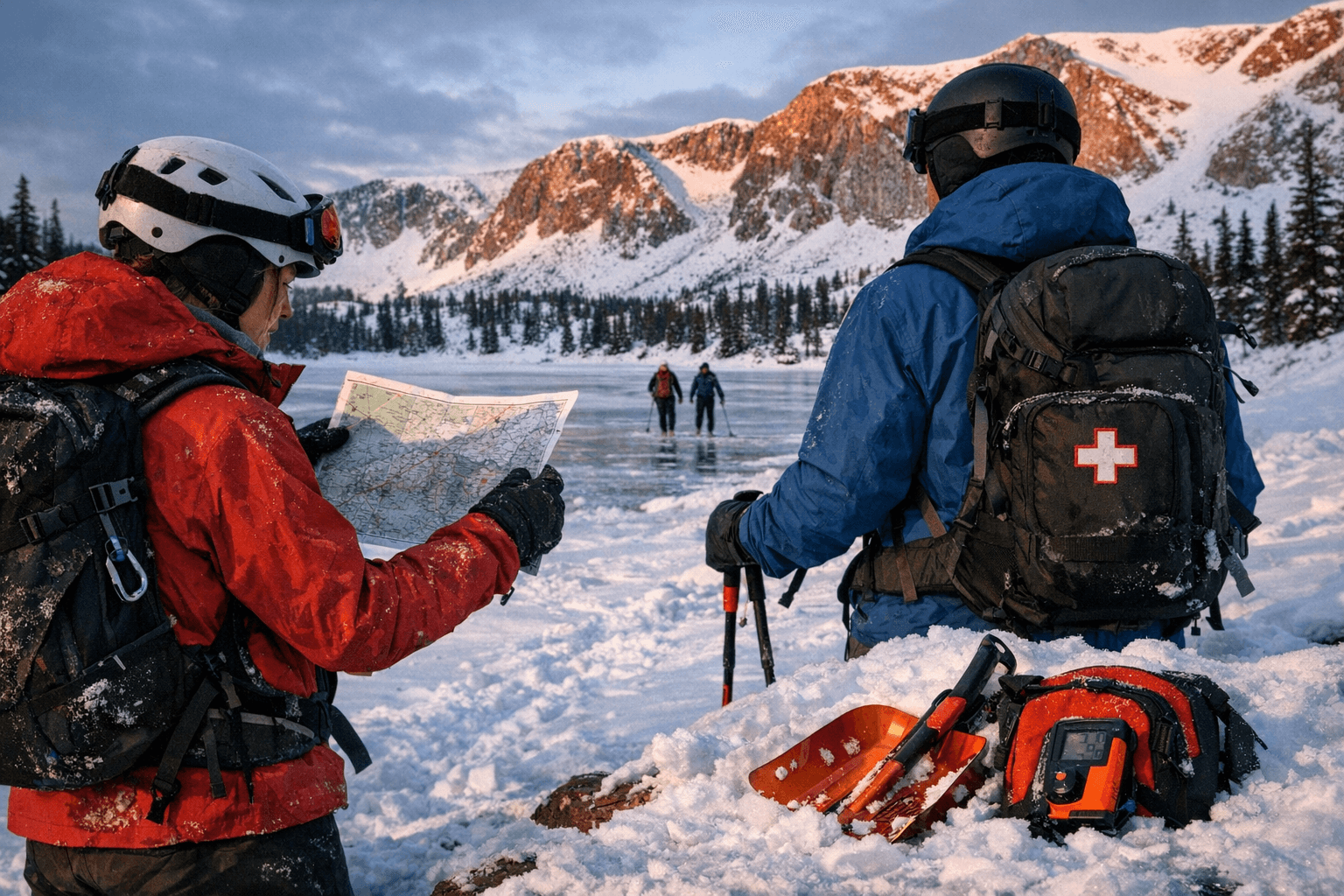
5. Practical planning, clothing, and vehicle preparedness Prepare in layers and carry emergency supplies including an insulated blanket, extra clothing, food, water, a flashlight, and a charged power bank; these items reduce immediate medical risks from exposure.
For vehicles, carry traction devices or chains and know how to install them; winter tires and a full tank of fuel extend safety margins in remote travel. Before heading into the mountains check WYDOT road conditions, let others know your plans, and avoid areas with limited cell coverage if you need reliable communication for health or safety reasons. If traveling with groups that include children, older adults, or people with mobility needs, plan extra time, bring necessary medications, and consider transportation choices that minimize exposure and isolation.
6. Local resources, healthcare access, and community equity Use Albany County Emergency Management for county-wide advisories and coordinated responses during severe winter events, and contact Laramie Police non-emergency for local safety concerns that do not require immediate response.
Check WYDOT for up-to-date road conditions on WY 130 and other county routes, and consult the National Weather Service for active warnings before travel. For urgent care and hospital services, contact Ivinson and area healthcare providers to confirm emergency and outpatient availability; be aware that specialty services may require travel to larger regional centers. Limited services in remote communities create equity concerns for lower-income households, elderly residents, and people without reliable transportation; if you are in a position to, support community preparedness efforts, volunteer networks, and local policy efforts that expand winter services and improve access to care and fuel in outlying areas.
Final reminder: this guide is a quick reference for planning winter activities in Albany County. For current conditions and active warnings consult the National Weather Service, WYDOT, Albany County Emergency Management, and local official sites before you travel.
Sources:
Know something we missed? Have a correction or additional information?
Submit a Tip