Winter Recreation Sustains Grand Traverse County Economy and Community
Winter in Grand Traverse County offers a broad mix of outdoor recreation, indoor culture, and food and drink experiences that keep local businesses busy beyond the summer season. Residents and visitors should plan ahead for changing hours, road and trail conditions, and permits, because winter access and safety rules affect both recreation and the local economy.
Grand Traverse County moves into winter with a full slate of activities that matter for livelihoods and quality of life. Scenic outdoor options such as Sleeping Bear Dunes National Lakeshore, including Empire Bluff, the Dune Climb, and Pyramid Point, draw shoreline views and winter hikers. Peninsula drives on Old Mission and Leelanau connect winery visits, lighthouse lookouts at Mission Point and Grand Traverse Lighthouse, and seasonal tasting rooms that help wineries extend revenue into the off season. Closer to town, Grand Traverse Commons and Village remain hubs for shopping, an indoor farmers market, galleries, and walking trails around the historic campus.
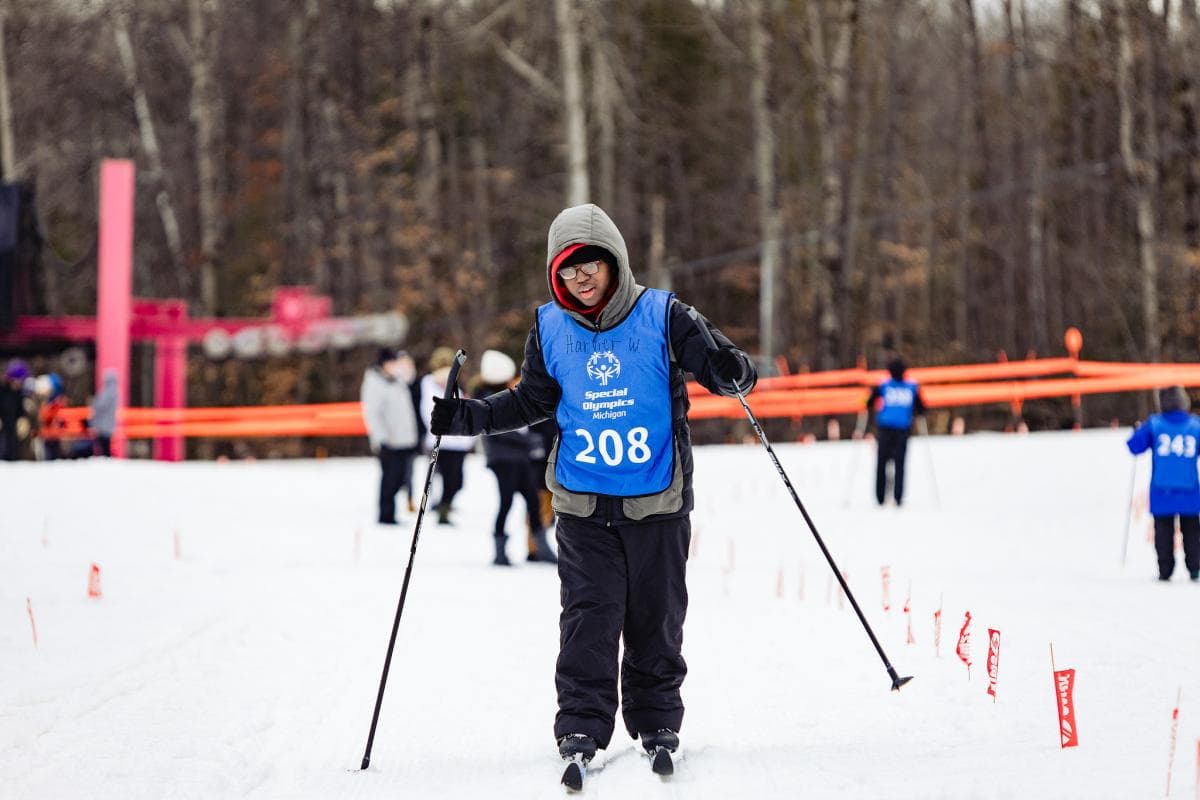
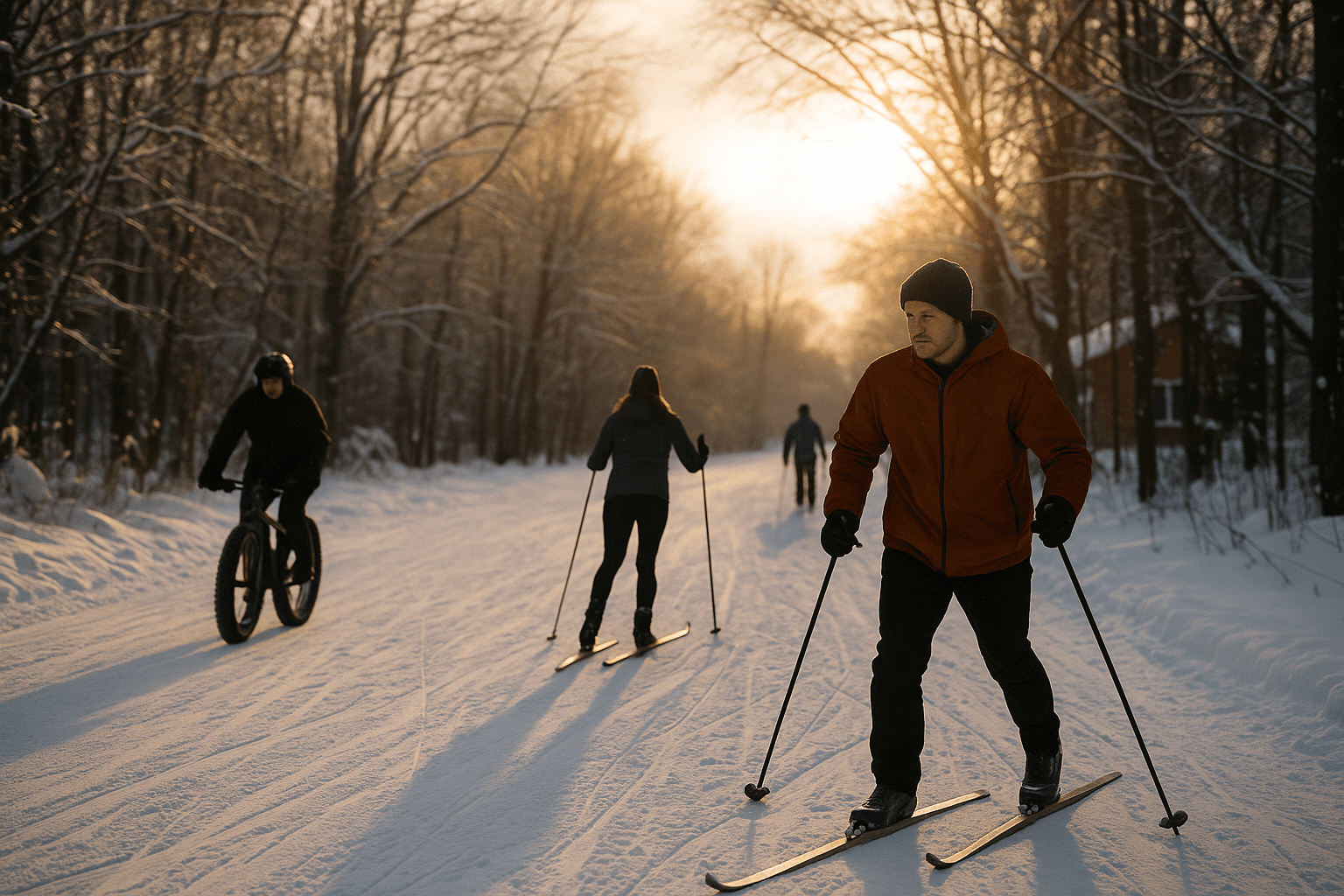
Active recreation remains a core draw. Cross country skiing, fat tire biking, and groomed multi use routes are available on the Leelanau Trail, TART trails, and local parks. Local ski areas and community hills provide downhill options and programs that introduce new skiers to the sport. Ice skating and outdoor family activities appear at community rinks and seasonal skating locations, while holiday markets, art shows, and festivals add foot traffic to downtown retailers and cultural venues.
Indoor cultural attractions anchor the local winter economy. The State Theatre programs films and events that bring audiences downtown. Crooked Tree Arts Center hosts exhibitions and markets. Local museums and craft markets such as Merry Marketplace and seasonal art tree shows provide additional off season revenue for artists and small businesses.
For residents this matters because winter offerings support year round employment in hospitality, retail, and recreation, while municipal services face higher demands for plowing, trail grooming, and parking management. Hours and access vary by operator and by weather, so confirm hours, road and trail conditions, and any permit or parking requirements before traveling. Park service pages for Sleeping Bear Dunes, regional tourism pages such as Pure Michigan and Visit Traverse City, and individual attraction websites are practical sources for current details.
Looking ahead, sustained investment in trail maintenance, marketing for winter tourism, and coordinated municipal planning can reduce seasonality, spread tourism earnings across the year, and limit infrastructure strain. For households and small businesses in Grand Traverse County, winter recreation is both a community resource and an economic lifeline.