Winter Storm Closes Schools, Triggers Parking Bans in Sagadahoc
A winter storm on Dec. 2 forced multiple school districts to cancel in person classes or move to remote learning, and prompted parking bans and midday state office closures that affected Sagadahoc County residents. The event disrupted commuting, snow removal and municipal services, and highlighted coordinated emergency work by utilities and state agencies.

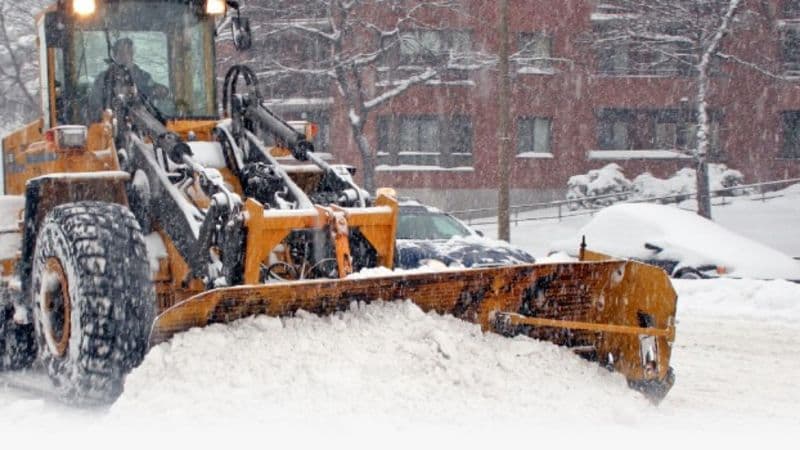
A heavy December storm that moved through the Midcoast on Dec. 2 brought the kind of early season disruption that municipal officials had been preparing for. Areas east of Interstate 95, including Midcoast communities, were forecast to receive four to eight inches of snow, and that accumulation led local school systems to cancel classes or call remote learning days across the region. Local parking bans were put in place ahead of the storm to allow plows to clear roads, with Bath among the communities enforcing temporary restrictions to aid snow removal.
State-level actions narrowed the window for businesses and commuters. The governor directed state offices to close at noon on Tuesday, a change that condensed state services into the morning and aimed to limit travel during the storm. Electric utility Central Maine Power staffed extra crews and prepared for possible outages, while emergency management and transportation officials coordinated pre storm plans and response efforts. Local advisories urged residents to avoid travel during the height of the storm to reduce demand on road crews and to limit exposure to hazardous conditions.
For Sagadahoc County residents the immediate impacts were practical and concrete. School cancellations and remote learning shifts affected family schedules, childcare arrangements, and employment for those balancing work and supervising students. Parking bans required residents and visitors to move vehicles off designated streets, and shortened state office hours altered access to government services. Preparedness steps in place, including extra utility crews and interagency coordination, reduced but did not eliminate the risk of power outages and travel disruptions.
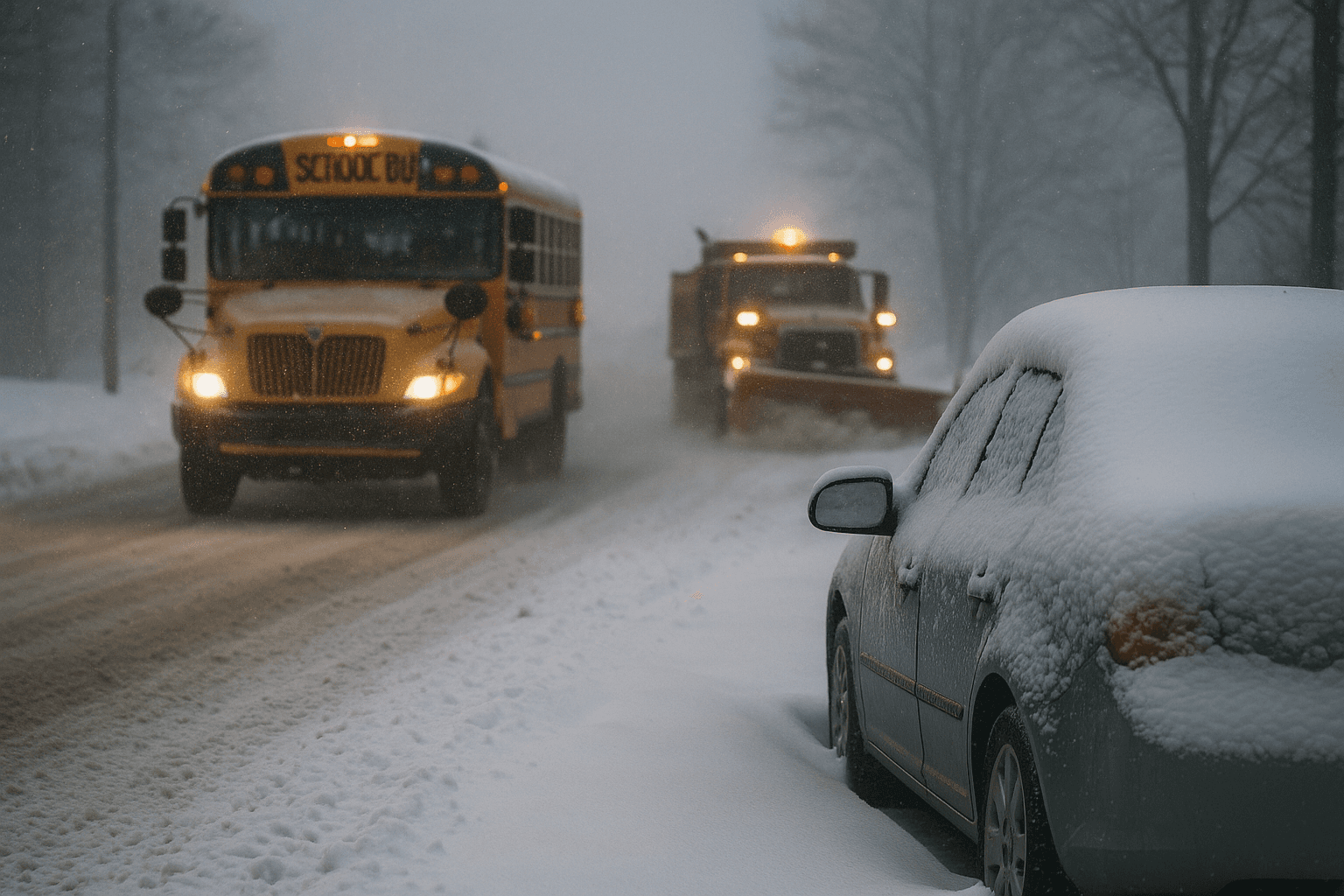
Looking ahead local officials emphasize that early winter storms can strain municipal resources, and residents should expect similar responses when forecasts call for significant snow. Road clearance priorities typically focus on main arteries and emergency routes first, with residential streets addressed as plows cycle through. The Dec. 2 event reinforced the value of coordinated planning between utilities, emergency management and transportation teams, and the importance of community compliance with parking bans and stay off the roads advisories to keep crews working and residents safe.