Women’s Resource Center launches $3 million campaign to expand housing
The Women’s Resource Center announced a $3 million capital campaign to convert its transitional house into 10 private apartments, increasing capacity and privacy for survivors of domestic violence. The expansion aims to ease pressure on emergency shelter services, support survivors as they rebuild employment and credit, and be completed by 2027 if fundraising goals are met.
The Women’s Resource Center in Grand Traverse County has launched a $3 million capital campaign to expand and reimagine its transitional home for women fleeing abusive households. Under Executive Director Juliette Schultz, the largest fundraising effort the nonprofit has undertaken will transform the current community living layout with shared kitchens and bathrooms into 10 separate apartments, increasing capacity from 12 beds to 16 and expanding transitional housing offerings by about 25 percent.
The campaign builds on a program the organization has operated since 1999 that functions as a bridge out of emergency shelter and toward stable housing. Under the proposed plan the converted property would include six studio apartments, two two bedroom apartments and two three bedroom apartments. Survivors in the transitional program may stay up to two years and pay rent based on income with a maximum of $400 per month.
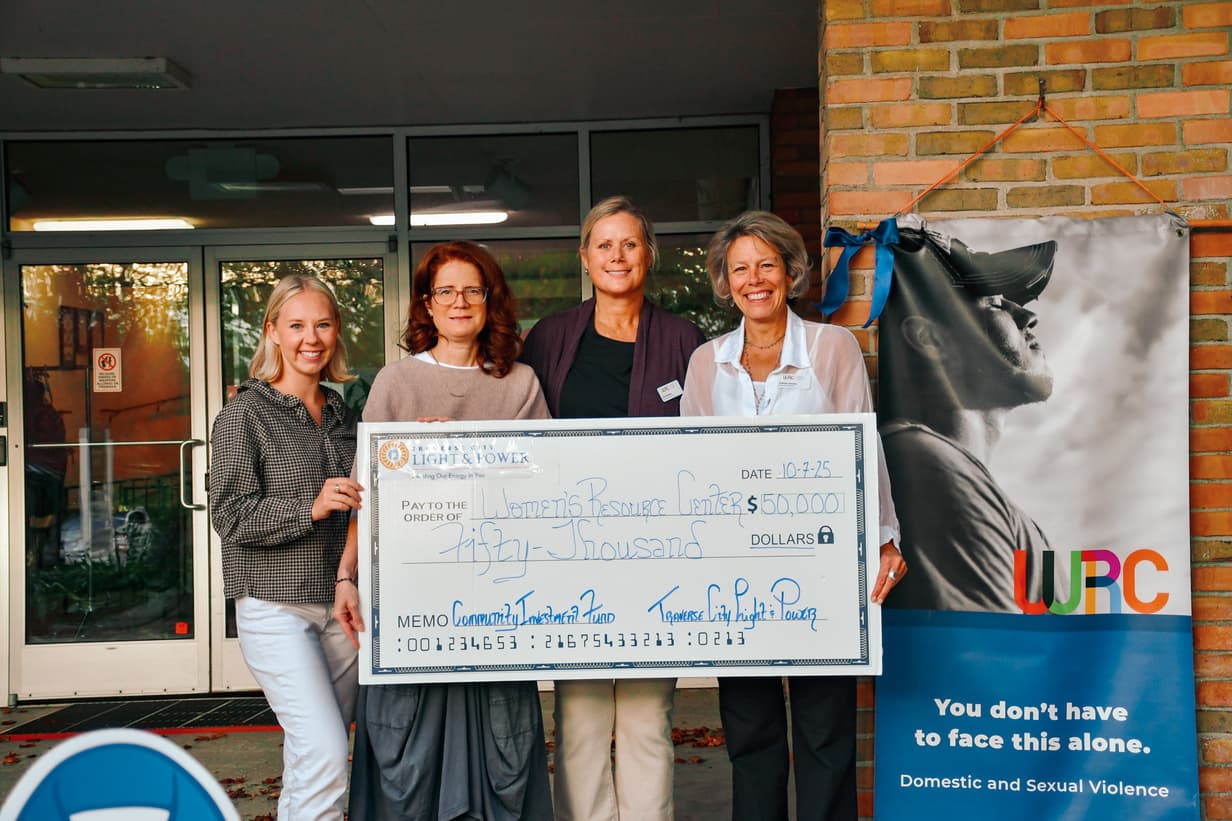
WRC has already raised more than $400,000 during a quiet phase of the campaign, including a $50,000 grant from Traverse City Light & Power’s Community Investment Fund. The organization hopes to reach the $3 million goal in 2026 and complete renovations by 2027. The timing and scale of the campaign reflect growing local demand for intermediate housing that allows survivors to reestablish employment, rebuild credit and gain independence while avoiding the instability of repeated shelter stays.
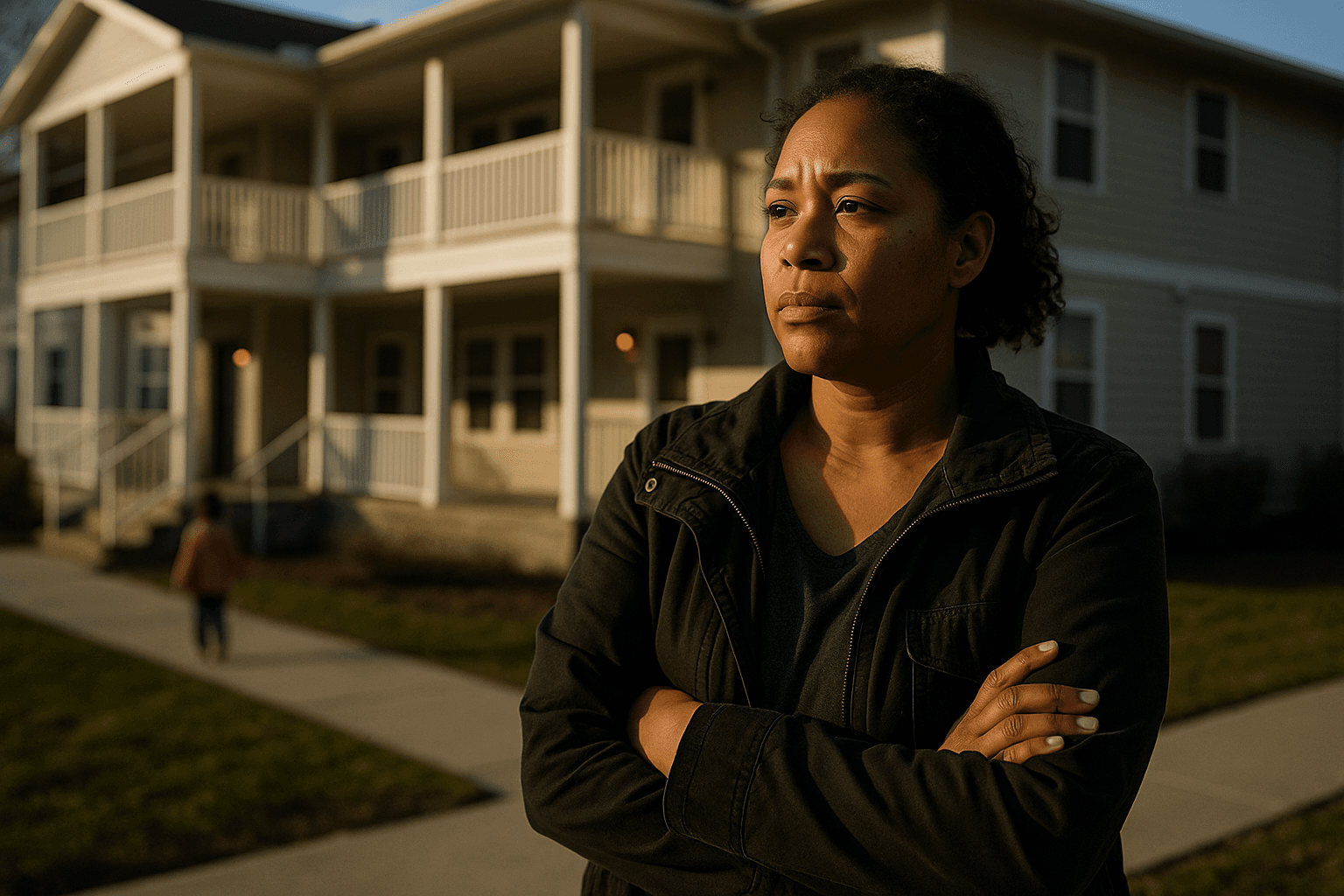
From a financial perspective the $3 million price tag is substantial for a local nonprofit and implies significant per unit investment as the facility moves to more private, self contained units. Community investment from a public utility fund signals local philanthropic and municipal partners see value in reducing shelter congestion and the downstream public costs associated with housing instability.
For Grand Traverse County residents the expansion means more survivors will have room to transition without returning to emergency shelter, potentially reducing strain on crisis services and improving long term outcomes for families. The campaign also underscores broader local housing and service gaps, and will require continued philanthropy and public support to meet its 2026 fundraising target and the 2027 renovation timeline.
Sources:
Know something we missed? Have a correction or additional information?
Submit a Tip