Working Alarms Help Save Pets After Sunapee Smoke Incident
On New Year’s Day, Sunapee firefighters responded to a Gardner Bay condo after smoke alarms alerted neighbors to heavy smoke from a pot left on the stove. The alarm-activated response allowed neighbors to rescue two dogs and enabled crews to extinguish and ventilate the unit with no structural extension detected.

Fire crews in Sunapee were dispatched around 7:30 p.m. on New Year’s Day to a Gardner Bay condominium in the Granliden complex after a fire alarm activation. Responding personnel were met by a neighbor who reported heavy smoke inside the residence and that the homeowners were not present. Neighbors had already entered the unit and removed two dogs; the animals were unharmed.
Officials found the heavy smoke had been caused by a pot left on the stove for an extended period after the homeowners left. Firefighters checked for fire extension into walls and other hidden spaces, found none, and ventilated the residence to clear smoke. The quick activation of working smoke and carbon monoxide alarms was credited with alerting people promptly, prompting both the neighbor response and the fire department dispatch.
The incident underscores immediate public health and safety concerns for Sullivan County residents. Smoke inhalation and carbon monoxide exposure are serious hazards even when a fire does not spread, and functioning alarms are a first line of defense for households and their pets. The Sunapee department used the call to emphasize the importance of maintaining operational smoke and CO alarms, testing units regularly, and following manufacturer guidance for replacement.
Beyond the individual household, the event highlights community strengths and gaps. Neighbors’ willingness to take action likely prevented greater harm, demonstrating the value of community vigilance in smaller towns where immediate professional help may be delayed. At the same time, the episode raises equity questions: not all residents can easily afford replacement alarms or know how to install and maintain them, and renters may lack control over alarm upkeep. Local officials and service organizations are reminded of the potential role they can play in outreach, education, and targeted distribution of alarms to low-income and vulnerable households.
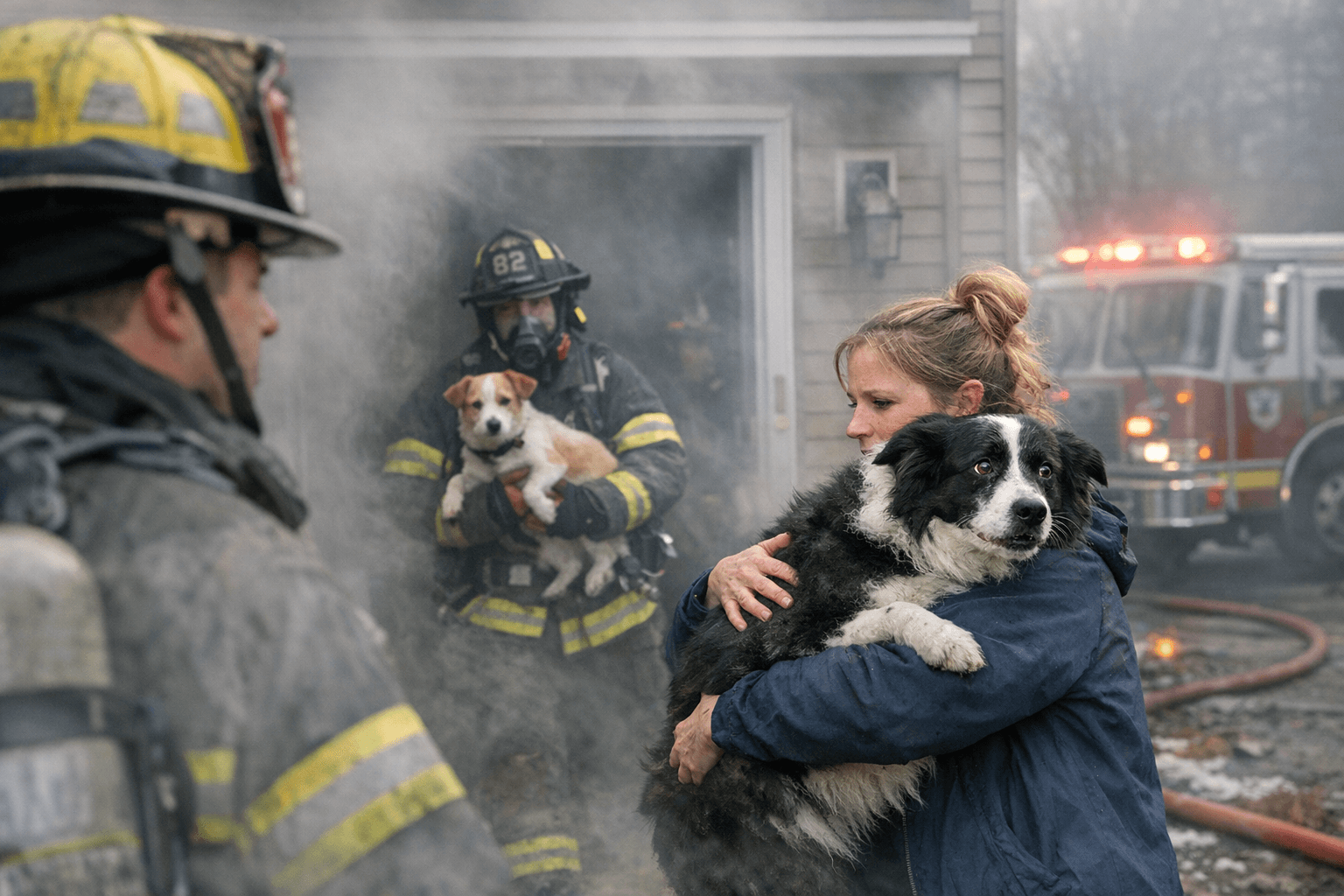
For pet owners, the incident is a reminder that animals are at risk in household fires and smoke events. Simple steps - ensuring alarms are audible throughout a home, testing alarms regularly, and making neighbors or caretakers aware of travel plans - can reduce that risk.
As the community returns to routine after the holidays, public health officials and firefighters urge residents to check smoke and carbon monoxide alarms, replace batteries as needed, and verify units are functioning to protect people and pets alike.
Sources:
Know something we missed? Have a correction or additional information?
Submit a Tip