Wylie ISD Confronts $4.6 Million Budget Shortfall, Approves Audit
Wylie ISD trustees reviewed the district Annual Comprehensive Financial Report and discussed measures to close an approximately $4.6 million deficit for the 2024-25 school year. Trustees approved the audit and heard a workshop on the Achieving Zero Deficit Initiative, steps that could affect local programs, staffing and the tax outlook for residents.
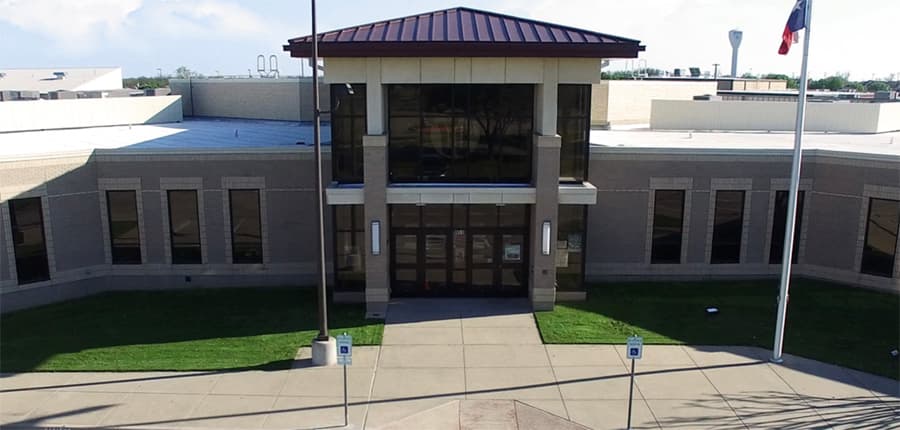
Trustees in Wylie ISD moved to formally acknowledge a budget shortfall and begin work on closing the gap after reviewing the district Annual Comprehensive Financial Report. In a special session on December 8 trustees approved the independent audit and heard a workshop on the Achieving Zero Deficit Initiative. The board then reviewed the report and the fiscal implications at a meeting on December 11.
The audit was presented by Paul Fleming of Edgin Parkman Fleming and Fleming and did not identify material concerns. That finding means auditors did not find issues that would call the financial statements into question, while leaving the policy choices about how to close the shortfall squarely with the board. Trustees discussed a range of recommendations included in the Achieving Zero Deficit Initiative, which bundles multiple cost saving and revenue proposals for consideration as the district moves toward a balanced budget.
An approximate $4.6 million deficit for 2024-25 places a tangible challenge on district leaders and on taxpayers. The board has already advanced proposed budget changes and structural adjustments in recent months and referenced earlier leadership moves as part of its response. The choices ahead will determine whether the district uses one time reserves, makes recurring expenditure reductions, or pursues new revenue that could include adjustments to the local tax rate.
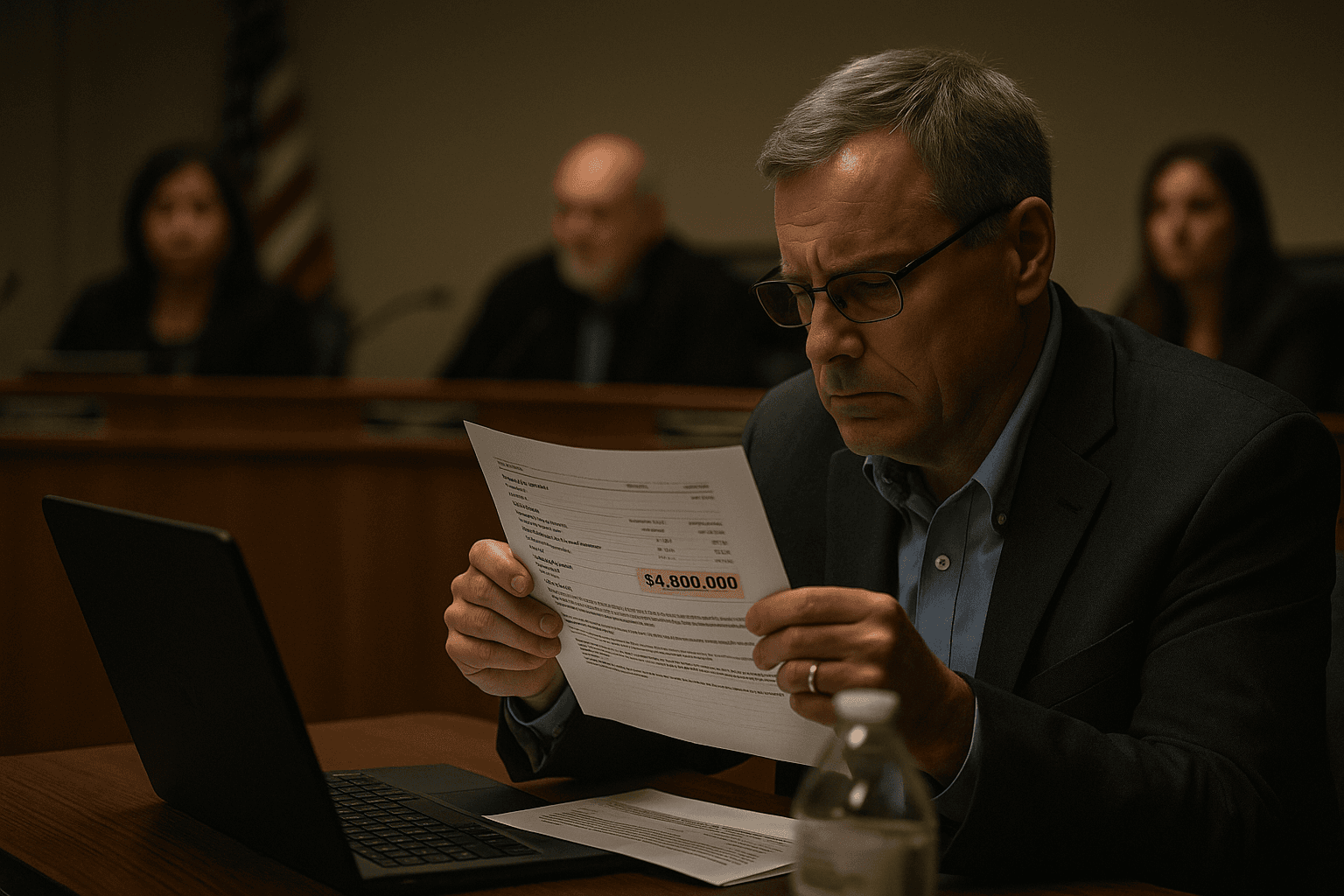
For Collin County residents the stakes are practical. School budgets affect class sizes, extracurricular offerings, transportation and facility upkeep. A prolonged structural shortfall can lead to sustained program reductions or pressure on future tax rates. Conversely closing a gap through one time moves without addressing recurring cost drivers can leave the district exposed to new shortfalls in subsequent years.
Policy considerations for trustees include weighing short term options against long term fiscal stability, preserving instructional priorities while achieving savings, and communicating transparently with the community about trade offs. The board will continue evaluating the Achieving Zero Deficit Initiative recommendations as it moves toward final budget decisions for the next fiscal cycle. Community members seeking specifics on proposed measures should follow upcoming board meetings and budget hearings where trustees will outline next steps.
Sources:
Know something we missed? Have a correction or additional information?
Submit a Tip