Yuma Gains Rural Medical School Branch, Aims to Close Primary Care Gap
The University of Arizona College of Medicine and Onvida Health unveiled a new rural medical school branch today at a ribbon cutting in Yuma, launching a program focused on primary care that is expected to begin next summer with about 15 students. The partnership offers free tuition for students who commit to rural practice and aims to increase local access to physicians in a county where long appointment waits and a statewide shortage have harmed health outcomes.

University and local health leaders gathered at the Onvida Health Medical Education Center on West 32nd Street in Yuma today to mark a partnership that will create Arizona's first rural medical school branch focused on primary care. The program is expected to begin next summer with about 15 students, and over the first three years roughly 45 students are projected to move through the fast track three year degree.
Leaders framed the initiative as a direct response to a documented shortage of primary care physicians. A University of Arizona study from two years ago found the state meets only about 39 percent of its need for primary care doctors, falling short by about 500 physicians. In rural communities like Yuma, leaders say getting a doctor appointment can take weeks or even months, a barrier that contributes to poorer health outcomes.
Onvida Health will pay free tuition for students who are accepted and commit to working in rural communities. The program combines 18 months of coursework in Phoenix with 18 months of hands on clinical training in Yuma at the Onvida Health center. After earning their medical degree, students will be able to apply for residency programs in Yuma, where Onvida already operates a graduate medical education program.
Onvida President and Chief Executive Officer Robert Trenschel emphasized the link between access and outcomes. “If you do not have access to a primary care physician our health outcomes will be poor and that has been proven time and time again,” he said. Trenschel added that the effort is the start of a longer process to grow local capacity. “It is going to be a significant source of talent for us, access to care will improve. These things take time to build, but you have to start somewhere, and this is the start of that process,” he said.
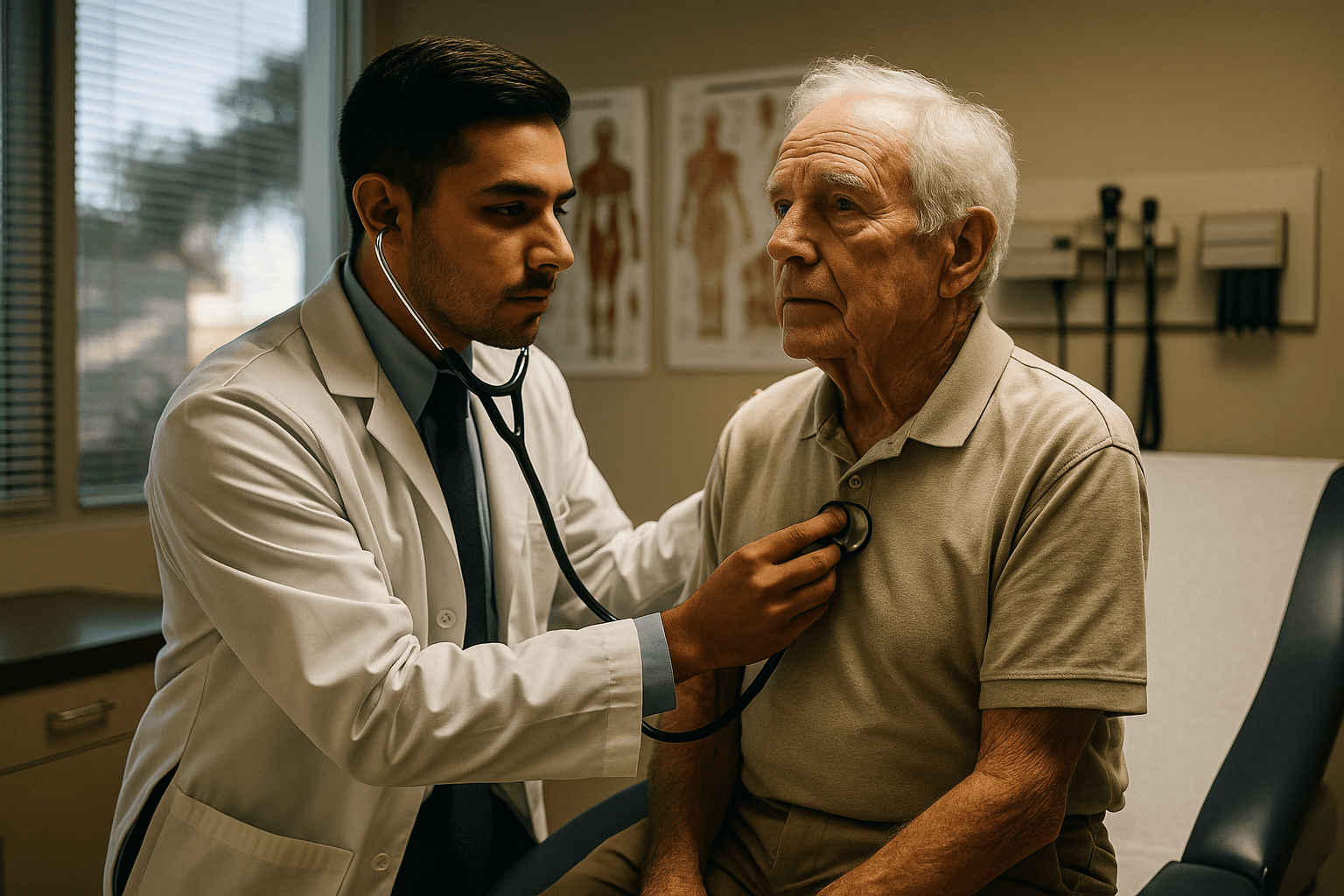
University of Arizona College of Medicine dean Fred Wondisford noted that eliminating tuition barriers could shift career choices toward primary care. “This allows them to think about doing something they may not have considered before, which is primary care,” he said. “Primary care doctors are paid less, and once students learn the economics, they start to say I am not sure I can sustain myself with all this debt.”
Since 2013 Onvida's residency program has graduated 65 family medicine doctors, with about 34 percent choosing to remain in the community. Kristina Diaz, president of Onvida Health’s medical group, said training local physicians and mentoring young people in Yuma will strengthen the pipeline. “This will complete the pipeline, and it will make it where more kids will see that they can do it because people from where they came from are coming back and saying I did this,” she said.
Recruitment for the Yuma branch is already under way, with the first group of students expected to start in July, a step that local health officials hope will gradually reduce wait times and improve equity in access to primary care across the county.