Zuni Museum Preserves Culture and Strengthens Community Well-Being
The A:shiwi A:wan Museum & Heritage Center in Zuni Pueblo preserves Zuni history, arts, and community memory through a restored trading-post complex, extensive collections, archives, and youth programs. For McKinley County residents, the museum is both a cultural anchor and potential partner in addressing local health, economic, and social equity needs by sustaining traditional knowledge and offering place-based education.
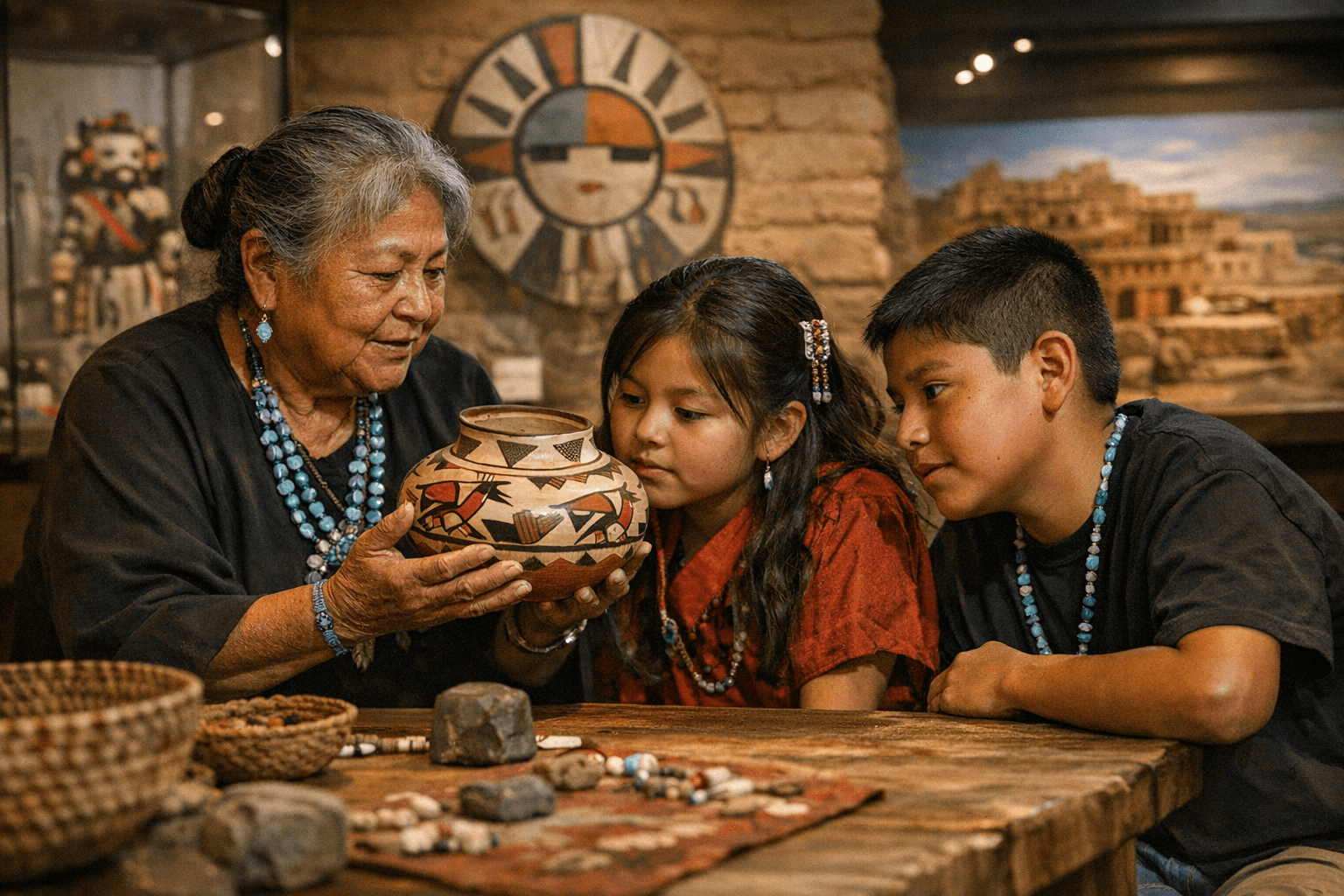
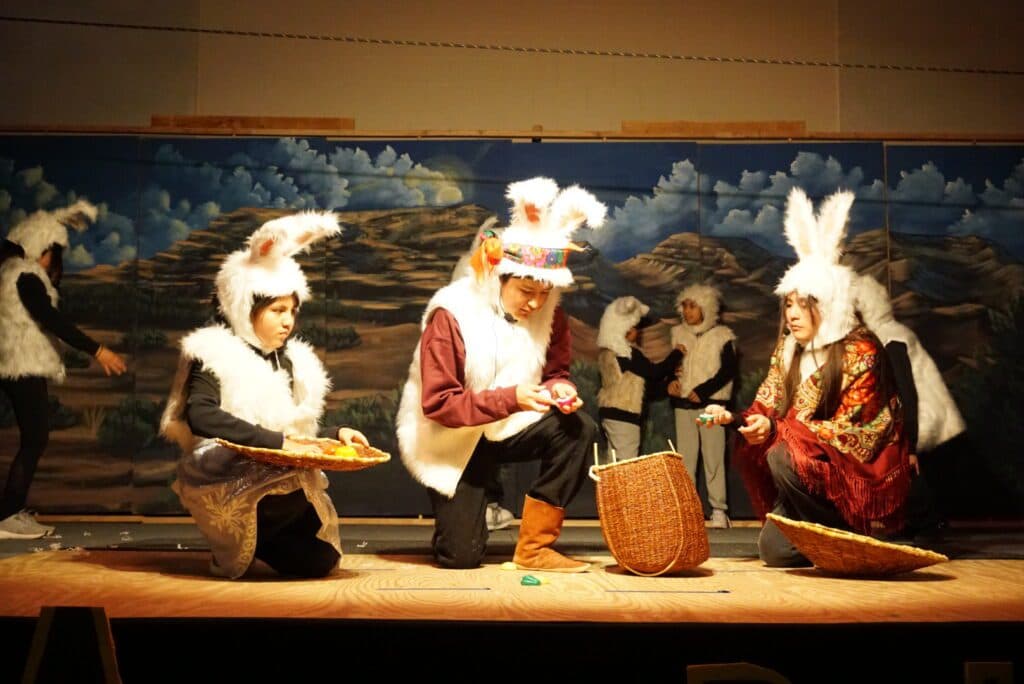
The A:shiwi A:wan Museum & Heritage Center, established in the early 1990s and housed in a restored trading-post complex in Zuni Pueblo, serves as the principal site in McKinley County for learning about Zuni heritage. Its collections span contemporary and prehistoric Zuni art, historical photographs and film, and community oral histories. The museum emphasizes Zuni ways of knowing and offers youth programs that teach traditional life skills, connecting younger generations to pottery, inlay silver, fetishes, and ceremonial life.
The museum’s role goes beyond preservation. By centering community-curated narratives and providing educational programs grounded in local knowledge, the museum supports cultural continuity that is essential to community health. Cultural institutions like A:shiwi A:wan reinforce social cohesion and identity, factors that public health research links to mental health and resilience. For families in McKinley County, the museum provides a space where intergenerational learning can buffer social stressors and foster pride in cultural practice.
A:shiwi A:wan also functions as a cultural gateway for visitors seeking authentic, community-centered interpretation. That role sustains local artists and practitioners whose craft contributes to household incomes and to the regional economy. At the same time, visitor engagement creates opportunities for community-led economic development, while raising questions about equitable benefit and cultural control that local leaders must manage.
From a public health and policy perspective, tribal museums are uniquely positioned to partner with health agencies on outreach that is culturally grounded. The museum’s archives and oral histories can inform health messaging that respects local values and historical experience. County and state policymakers can support such partnerships by funding culturally specific programming, supporting youth apprenticeships in traditional arts, and ensuring access to museum resources for residents across income levels.
Sustaining the A:shiwi A:wan Museum & Heritage Center is a matter of cultural sovereignty as well as public welfare. For McKinley County, supporting the museum means investing in a community institution that preserves Zuni heritage, strengthens youth opportunity, supports local livelihoods, and offers a trusted venue for culturally attuned public health engagement. As the county works to address disparities in health and economic opportunity, tribal cultural institutions deserve recognition and resources as vital components of an equitable community infrastructure.
Sources:
Know something we missed? Have a correction or additional information?
Submit a Tip