Zuni Theater Project Returns, Strengthens Language and Community Health
The Zuni Youth Enrichment Project announced preparations for the 8th Annual Delapna:we Project, a community driven effort to bring traditional Zuni oral stories to life through performing arts and intergenerational programming. The project combines cultural preservation, youth development, and behavioral health supports with live performances set for February 2026, and it matters to McKinley County because it advances language survival, food sovereignty, and mental well being across the Zuni community.
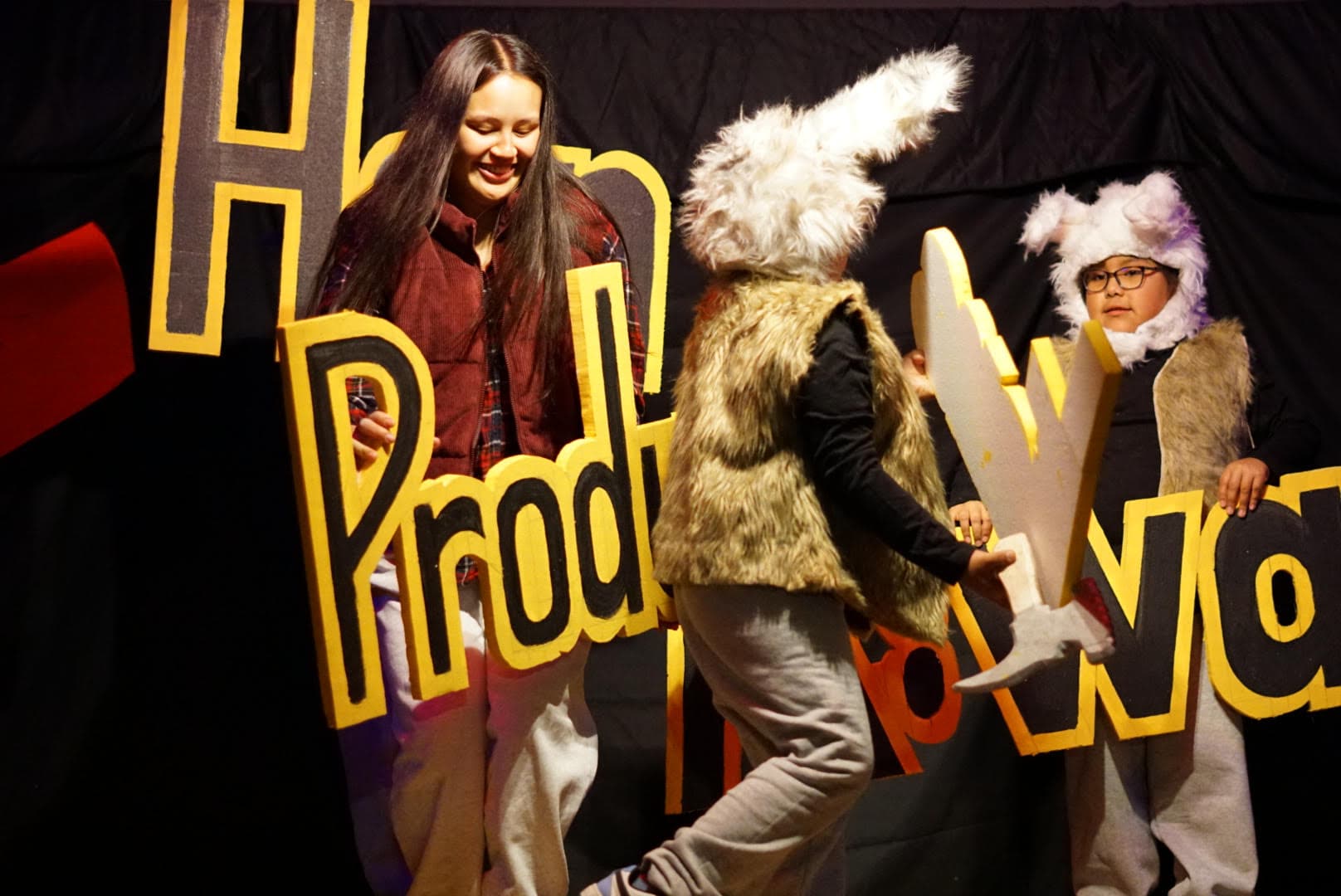
The Zuni Youth Enrichment Project announced on December 9 that preparations are under way for the eighth annual Delapna:we Project, supported by the First Nations Development Institute, the U.S. Substance Abuse and Mental Health Services Administration, and the New Mexico Behavioral Health Services Division. Live stage performances are scheduled for 6 p.m. on Friday, February 13, 2026 and 1 p.m. on Sunday, February 15, 2026, with leaders finalizing the story and venue in planning meetings this month.
Delapna:we brings traditional Zuni stories into theater workshops and rehearsals led by Ho’n A:wan Productions, a collaboration of community members who care about Zuni language and culture. Kiara Kiki Zunie, ZYEP’s youth development coordinator, described how leaders choose material. “In our meetings, we discuss the topics we’d love to address, and that helps us select the story for the production,” she said. The planning team has identified themes such as gratitude, determination, self reliance, and familial relationships for the 2025 to 2026 season.
Auditions are open to community members of all ages at Ho’n A:wan Park at 6 p.m. on Wednesday, January 7, with an additional audition opportunity on January 8. A Delapna:we Family Night will bring participants and families together on Wednesday, January 14 for orientation, storytelling protocols, and a chance to listen to a 1960s recording of a Zuni elder. “We also will make previous Delapna:we scripts available for families to read and re-enact within groups,” said Rani Yamutewa, ZYEP youth development leader.
Rehearsals will run Sunday mornings and Monday evenings until showtime, and ZYEP plans to expand theater games and language use in direction and coaching. “These interactive games help participants strengthen their voices and encourage them to animate their bodies,” Zunie said. Project leaders hope to collaborate with KSHI radio and stream performances on YouTube to reach community members unable to attend in person. Last year’s production reached more than 650 people through streaming.

The initiative carries clear public health and equity implications. Funding from behavioral health agencies reflects recognition that cultural continuity and language revitalization support mental health and resilience. Post project surveys show about 75 percent of parents reported children spoke more Zuni at home during the project, and 90 percent of youth said speaking Zuni is important. The food sovereignty team will serve traditional dishes at family events, linking nutrition, food security, and cultural practice.
The project builds on archival work that recorded 19 elders in the 1960s and on nearly 400 hours of digitized stories preserved locally. For more information about youth experiences and participation visit zyep.org/delapnawe-project-youth-participants and consider supporting ZYEP’s year end campaign to sustain this culturally rooted public health work.
Sources:
Know something we missed? Have a correction or additional information?
Submit a Tip