19.5-Mile Orange Heritage Trailway Connects Towns, Boosts Health Equity
The 19.5-mile Orange Heritage Trailway links Middletown and Harriman, providing walking and biking routes that expand mobility, recreation, and public health access.
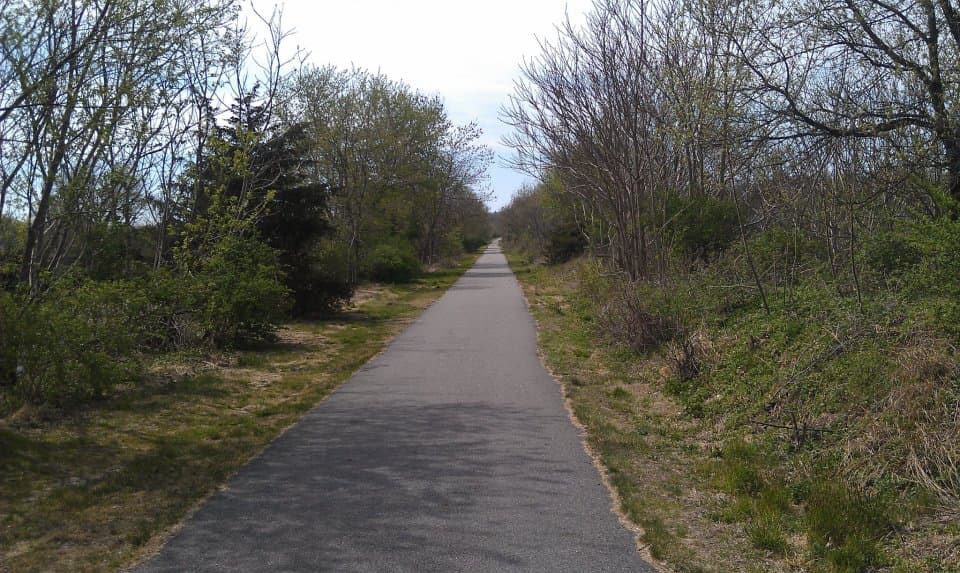
The Orange Heritage Trailway is a 19.5-mile rail-trail corridor running along the former Erie Railroad Main Line, now serving as a continuous non-motorized connector between Harriman and Middletown. Trailheads and access points serve Middletown, Goshen, Chester and Monroe, turning an early 20th-century transportation corridor into a countywide asset for walking, biking and everyday trips.
As a physical link between downtowns and parks, the trail functions both as a recreation destination and a transportation alternative. For residents without reliable car access, safe sidewalks or frequent bus service, the trail can shorten trips to work, school and shopping while reducing reliance on cars. That shift has public health implications: more everyday movement helps prevent chronic disease, supports mental health, and cuts vehicle emissions that worsen respiratory illness.

The corridor’s rail-to-trail conversion followed the consolidation of freight operations onto other lines, making the roadbed available for community reuse. Preserving this long linear greenway protects a historic route while opening space for active living and social connection across municipalities. Local economies also stand to benefit as trail users stop in downtown businesses, parks and services along the route.
Yet realizing those benefits requires deliberate policy choices. Investment in trail maintenance, safe crossings at busy roads, lighting, signage and accessible surfaces is essential for inclusion. Without consistent upkeep, the trail risks becoming unevenly usable, leaving older adults, families with strollers and people with disabilities with fewer options for safe active travel. Integrating the trail into county transportation planning and transit connections would make it a true mobility spine rather than a recreational afterthought.
Public health agencies, community clinics and local nonprofits can collaborate to leverage the trail for preventive care programs, group walks, bike skills training and events that reach underserved neighborhoods. Targeted outreach and programming can help ensure the trail reduces health disparities instead of replicating them. Funding tools like state and federal active transportation grants, local bond measures and public-private partnerships can support these efforts, but they require political will and community advocacy.
Practical use is straightforward: the corridor is multi-use and designed for walking, biking and recreation, with multiple access points between Harriman and Middletown that connect to nearby downtowns and parks. Residents should expect a mix of commuter and leisure users and plan for shared-use etiquette.
The takeaway? Use the trail for short trips, errands and daily movement, and push local leaders to fund safety, accessibility and programming so the Heritage Trailway serves everyone in Orange County. Our two cents? Treat the trail like a public health investment — it pays off in healthier, more connected communities.
Sources:
Know something we missed? Have a correction or additional information?
Submit a Tip