Immigrant advocates pack Chester meeting over ICE planning leak
Advocates attended the Chester Village Board meeting after reports that a warehouse at 29 Elizabeth Drive appears in draft ICE planning documents. The turnout presses for transparency from federal and local officials.
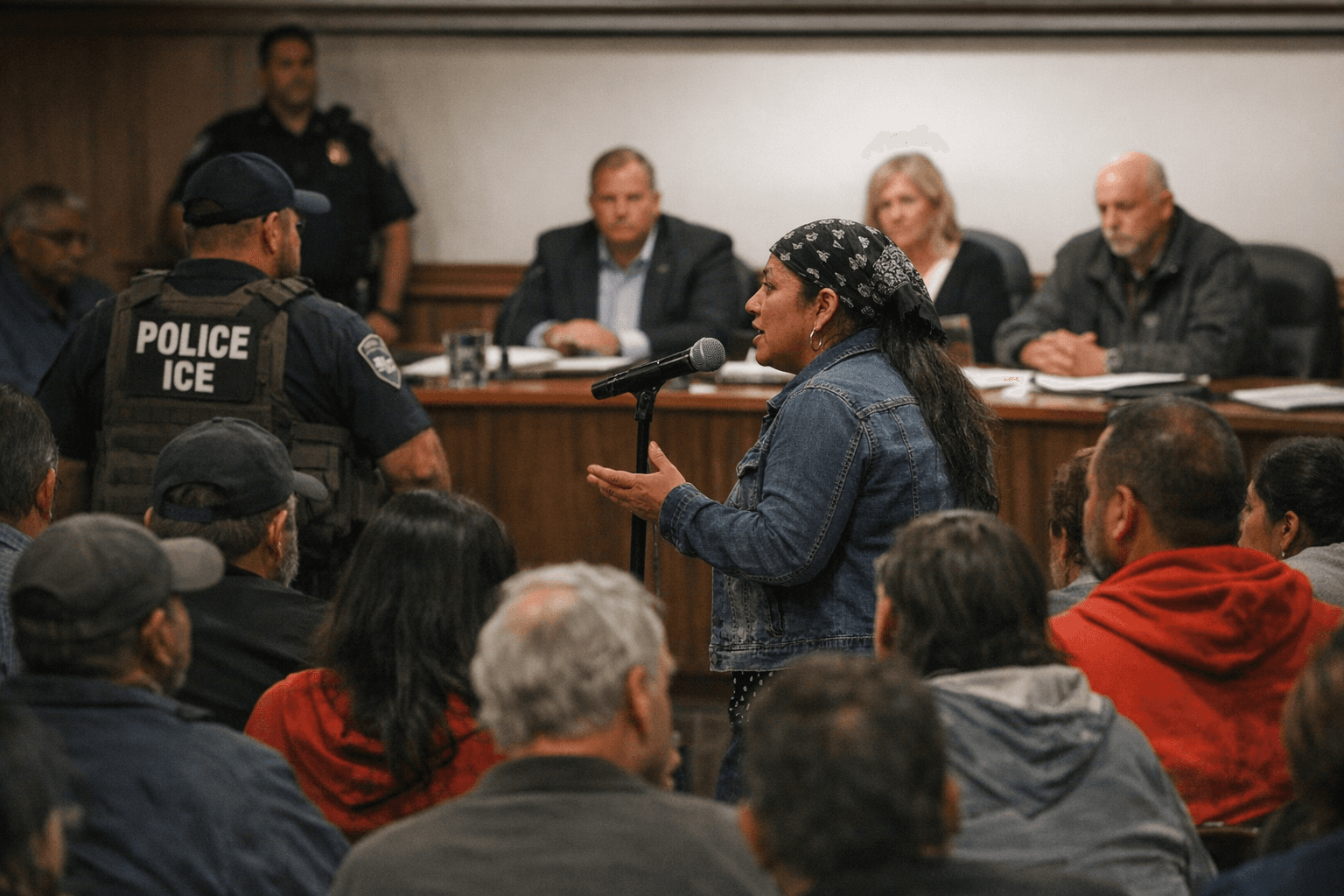
Community organizers and immigrant-advocacy groups are converging on the Chester Village Board meeting today after local reports linked a warehouse in the village industrial park to draft federal enforcement planning documents. Rural & Migrant Ministry, based in Cornwall-on-Hudson, and partner groups mobilized supporters to attend and to speak during the public comment period, and organizers asked for a peaceful, dignity-centered demonstration.
Anticipating an overflow crowd, the village moved the meeting to the Chester Senior Center at 81 Laroe Road. Organizers said the change was made to accommodate community members who planned to turn out to press elected officials for answers about the possible use of a local facility in federal operations. The property identified in local coverage is 29 Elizabeth Drive; some reporting has tied the site to investors or ownership links beyond the immediate region.
Federal authorities have not publicly confirmed any specific sites, and local officials have previously issued condemnations of the notion that enforcement actions would target community facilities without clear public notice. The broader trigger for the local mobilization was a national-level leak of draft planning documents that named potential locations. That leak prompted activists across the region to demand clarity, noting the fear and uncertainty such lists create for immigrant households, workers in the industrial park, and small businesses that rely on local stability.
For Orange County residents, the unfolding events raise immediate questions about transparency, local oversight, and the role of municipal governments in responding to federal operational plans. Village trustees now face pressure to use whatever local authority they have to seek precise information from federal partners, to document any communications, and to convey publicly what they do and do not know. Organizers framed their presence as civic engagement aimed at protecting community members and preserving due process and dignity.
The mobilization also highlights a pattern of grassroots organizing in the Hudson Valley, where faith-based groups and neighborhood activists have become first responders to federal policy uncertainty. A strong turnout at the senior center underscores how local meetings remain crucial forums for residents to hold government accountable, to ask direct questions during public comment, and to demand records and transparency.
Our two cents? Show up, speak up, and ask specific questions at the microphone: what information has the village received, what records exist of federal contact, and what protections will be pursued for residents and workers. Civic pressure in public meetings is the clearest lever local people have to push for answers.
Sources:
Know something we missed? Have a correction or additional information?
Submit a Tip