30-90 Day Starter Checklist for FPV Drone Racing Success
This practical guide condenses the essential steps to begin FPV drone racing, outlining the learning path, minimum gear, safety checks, and community entry points you can follow in your first 30–90 days. It matters because clear, actionable direction reduces crashes, speeds skill development, and helps new pilots plug into local racing communities.

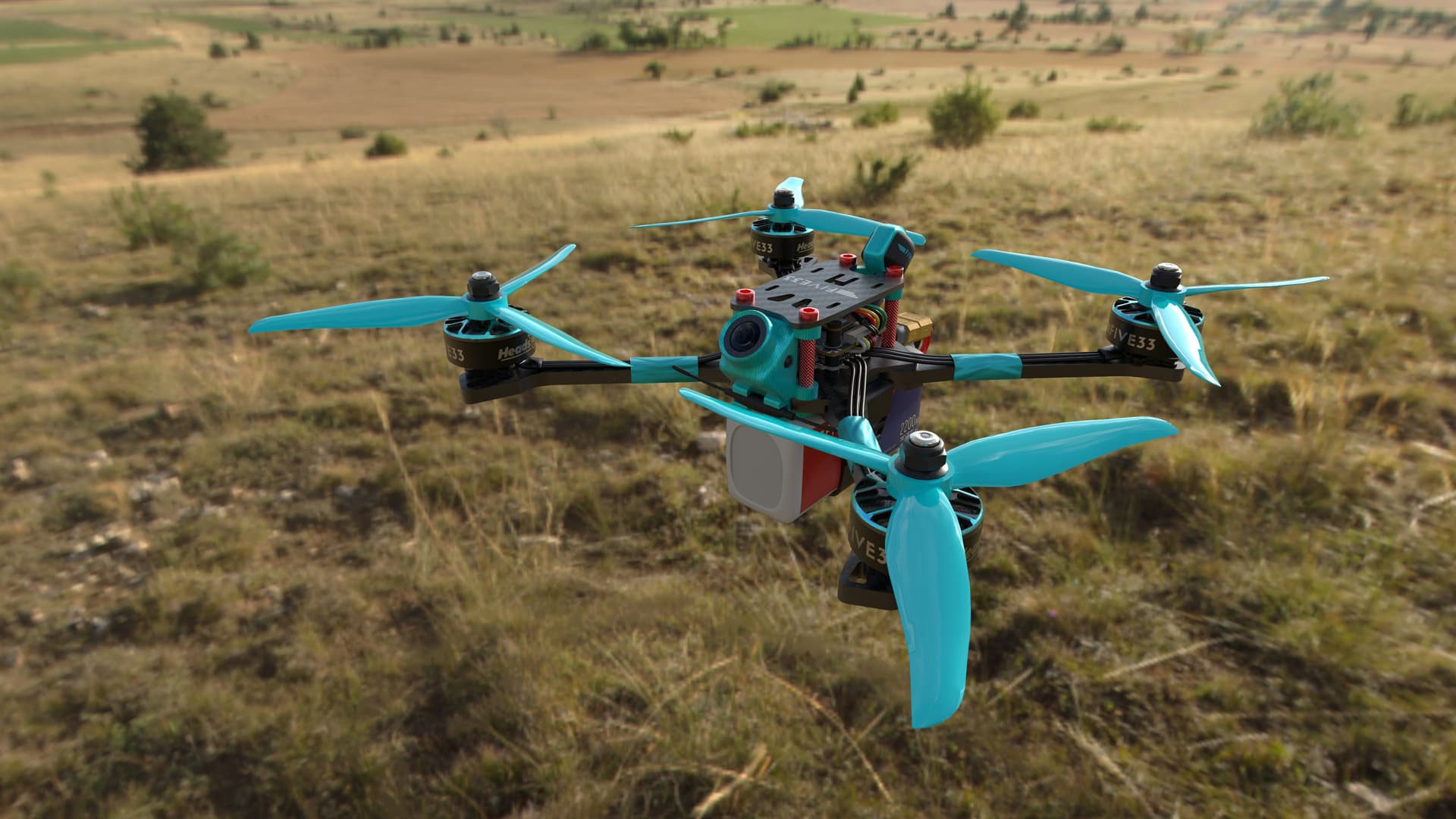
FPV drone racing uses small, high-performance quadcopters flown through goggles showing a live camera feed, with races emphasizing speed, precision, and tight cornering through gates and obstacles. To turn interest into consistent laps, start with a focused progression and a minimum viable kit that keeps training safe and cost-effective.
Begin with a simulator. Spend 20–50 hours in VelociDrone, LiftOff, or DRL Sim to build muscle memory, learn racing lines, and practice throttle discipline without risking hardware. Use a gamepad or a radio with USB and a trainer cable so your transmitter binds to the sim and mirrors real controls.
Choose an entry path: Sim to micro to racing quad. Try a 2–3 inch micro FPV for initial outdoors or a budget 5-inch BNF (bind-and-fly) to learn at fields and club tracks. Buying a ready-to-fly option gets you flying faster; building teaches soldering, hardware layout, and Betaflight setup if you plan to troubleshoot or customize.
Assemble a minimum viable kit. A 4+ channel transmitter compatible with OpenTX or EdgeTX from brands like Radiomaster, FrSky, or Jumper will let you learn model setups and dual rates. Entry-level analog goggles work for most racers, while digital systems such as Orqa or DJI O3 offer clearer feeds at higher cost. Typical 5-inch race quads use 20–30A ESCs, 2207–2306 motors, and often run 6S for top-tier speed; start with 4S or 6S battery choices depending on the frame and motor spec. For 5-inch quads, 1500–1800 mAh LiPo packs are standard; micros generally use 2–3S cells. Carry prop spares and a reliable charger, and always practice safe charging and storage.

Prioritize safety and the basics. Verify local regulations, stay within line of sight when required, and respect no-fly zones and event rules. Use a preflight checklist: prop nut tight, motor spin test, camera and goggles linked, antennas clean, battery charged, and failsafe configured. Wear eye protection near active flights and follow the flight director at organized tracks.
Structure practice with progression and drills. Master throttle control, gentle turns, and altitude discipline before increasing speed. Set two gates to practice threading, run short straights with quick 180s to learn throttle-to-pitch transitions, and focus on smooth, repeatable laps—consistent times beat wild flying.
Join local clubs, RaceDayQuads, or Facebook and Discord groups for weekly practice nights, safety marshals, and loaner gear. Volunteer at time trials to learn rules and timing. After basic competency, learn PID tuning, filter adjustment, and experiment with prop choices and rate profiles. Follow pro lap footage to study ideal racing lines. Use this checklist to get flying this weekend: radio, goggles, beginner-friendly quad, 2–3 batteries, charger, prop spares, and a simulator account.
Know something we missed? Have a correction or additional information?
Submit a Tip