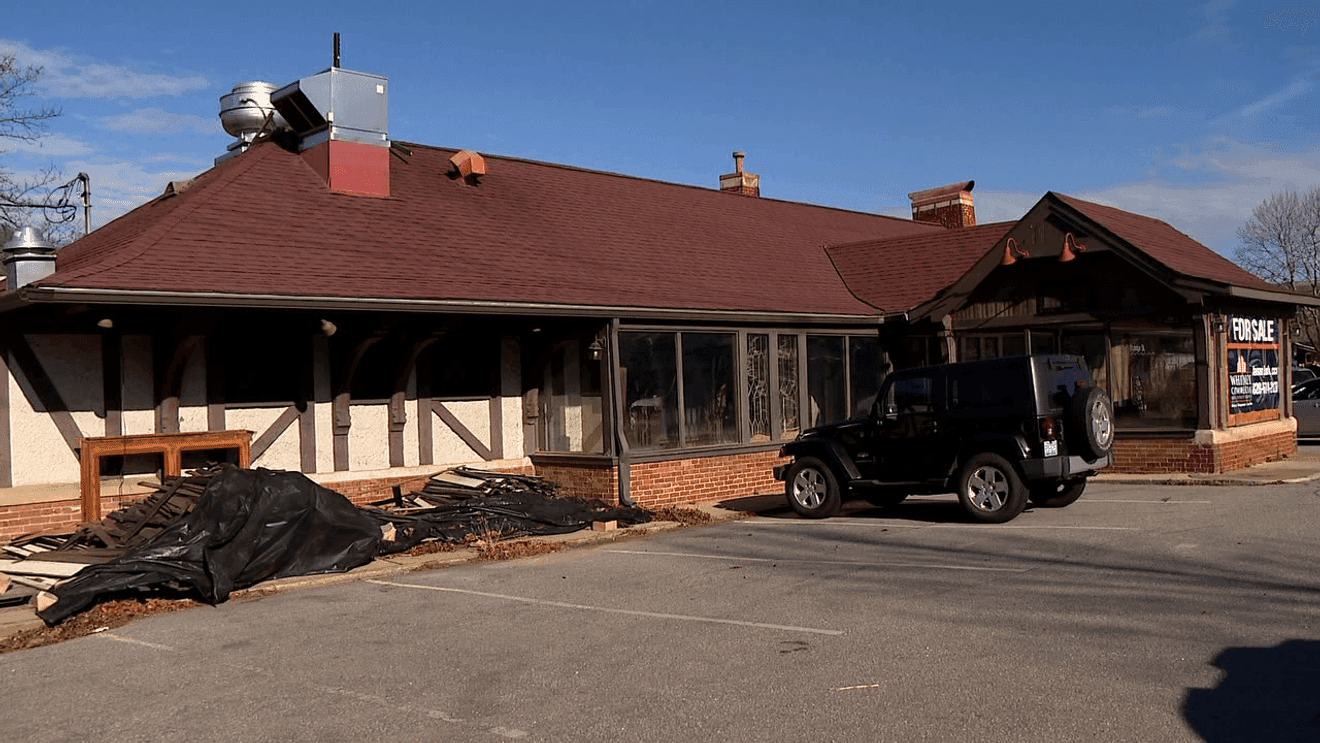
$35 Million Woodfin Greenway Project Aims to Revitalize French Broad Riverfront
Buncombe County moved forward with the $35 million Woodfin Greenway and Blueway Project centered on a proposed engineered whitewater wave on the French Broad River, a development intended to convert an industrial riverfront into a recreation and tourism corridor while improving flood resilience. The plan combines river restoration, park connections, and a major cleanup that could reshape local economic activity in Woodfin and Asheville riverfront neighborhoods.
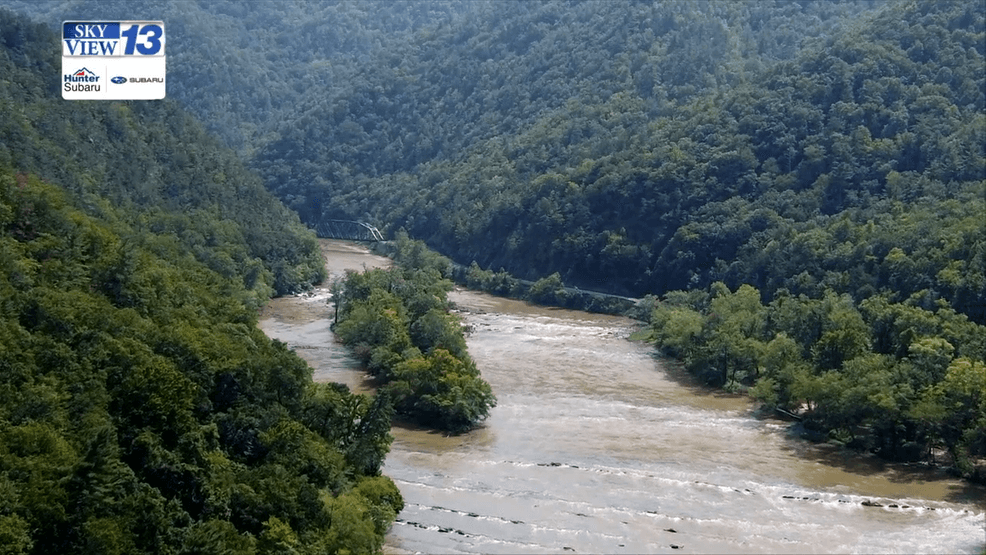
Buncombe County officials advanced plans for the Woodfin Wave and broader Woodfin Greenway and Blueway Project, a $35 million initiative that would add an engineered whitewater wave to the French Broad River and expand greenways, parks and river-restoration work between Asheville and Woodfin. County investment to date totals roughly $19 million, with the Buncombe County Tourism Development Authority contributing about $8 million toward the project.
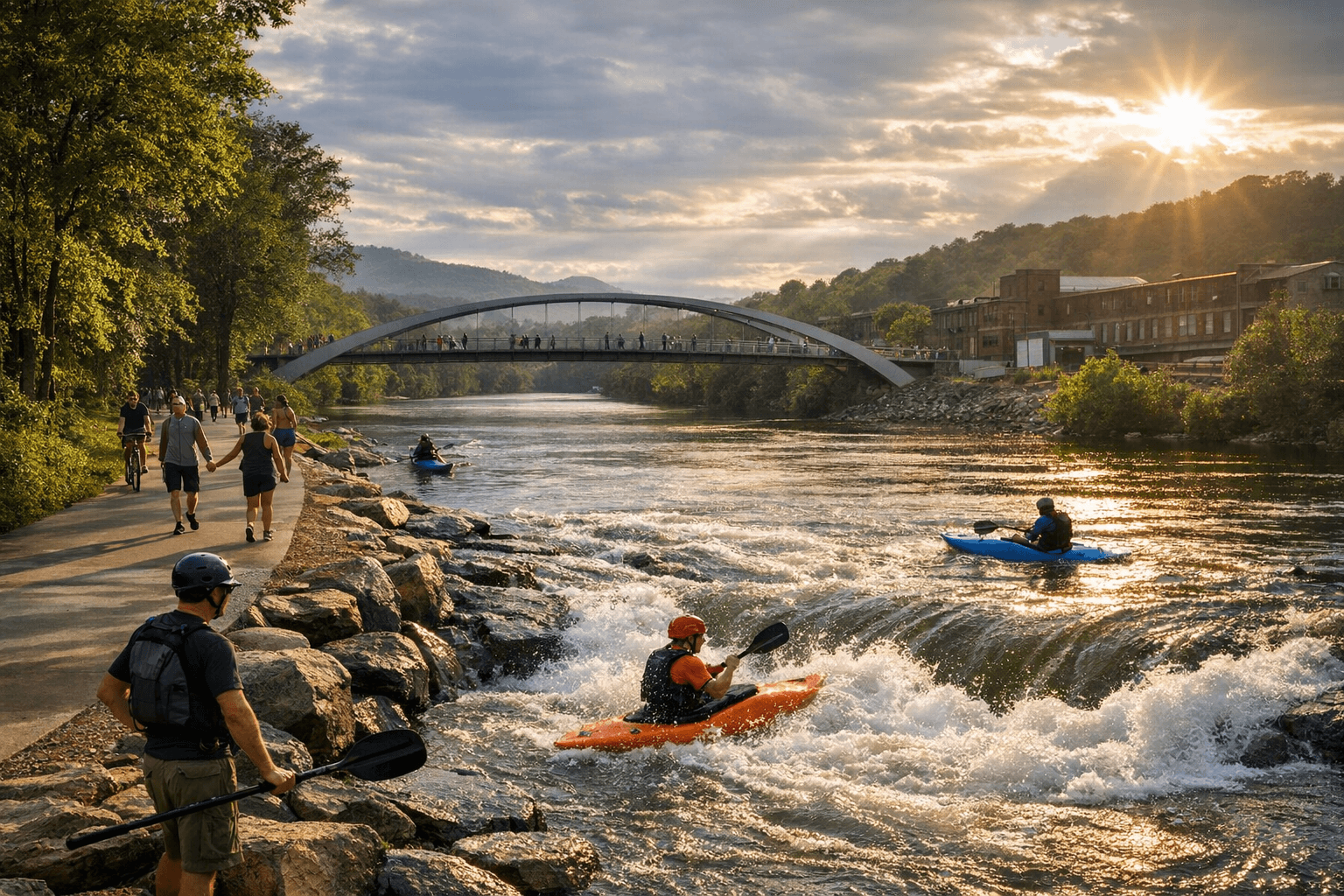
Project components include the river wave feature designed for paddling and river-surfing recreation and competitions, expanded greenway and park connections that would link Silver-Line Park and Riverside Park, riverbank restoration, constructed wetlands and bio-retention systems intended to help manage stormwater and improve ecological function. A significant remediation element calls for removal of approximately 26,000 cubic yards of construction material — steel and concrete — from a former industrial landfill at Riverside Park.
Designers and backers say the combined recreation and landscape upgrades are intended to catalyze economic development along the corridor. Planned outcomes include new restaurants, lodging, retail and outdoor-recreation services, with the potential to attract regional and international events at the wave feature comparable to competitions overseen by organizations such as the International Canoe Federation. Such events could increase visitor spending, room demand and off-season activity that matter for Buncombe County’s tourism-dependent sectors.
Local officials also framed the plan as a resilience investment. Town leadership emphasized flood-storage and resilience elements built into the design, positioning riverbank restoration and constructed wetlands as dual-purpose measures for habitat recovery and flood risk mitigation. The cleanup at Riverside Park further reduces legacy industrial hazards and prepares shoreline areas for parks and public access.
The project has evolved through earlier iterations and sustained community conversations, and designers acknowledge that responsible zoning, environmental permitting and careful planning will be necessary to balance growth with community priorities. Those considerations are central to managing development pressures that typically follow amenity-driven investments, including changes in land use, infrastructure demands and potential effects on housing and local businesses.
For residents of Woodfin and adjacent Asheville riverfront neighborhoods, the project represents both an immediate construction footprint and a long-term shift in land use and economic orientation. If the plans proceed, the corridor could move from an industrial past toward a recreation-and-tourism future, with implications for local employment, tax revenues and flood resilience that will unfold as permitting, design and construction proceed.
Sources:
Know something we missed? Have a correction or additional information?
Submit a Tip