3D-Printed Corduroy Castles Offer Faster, Resilient Housing in California
A Sacramento startup, 4dify, working with Endemic Architecture, printed the first of five homes in a micro-community called Corduroy Castles in Olivehurst, California, demonstrating a rapid, lower-cost approach to resilient housing. The build highlights speed, durable materials, and scaling potential that could reshape affordable housing and disaster-resistant construction in the region.
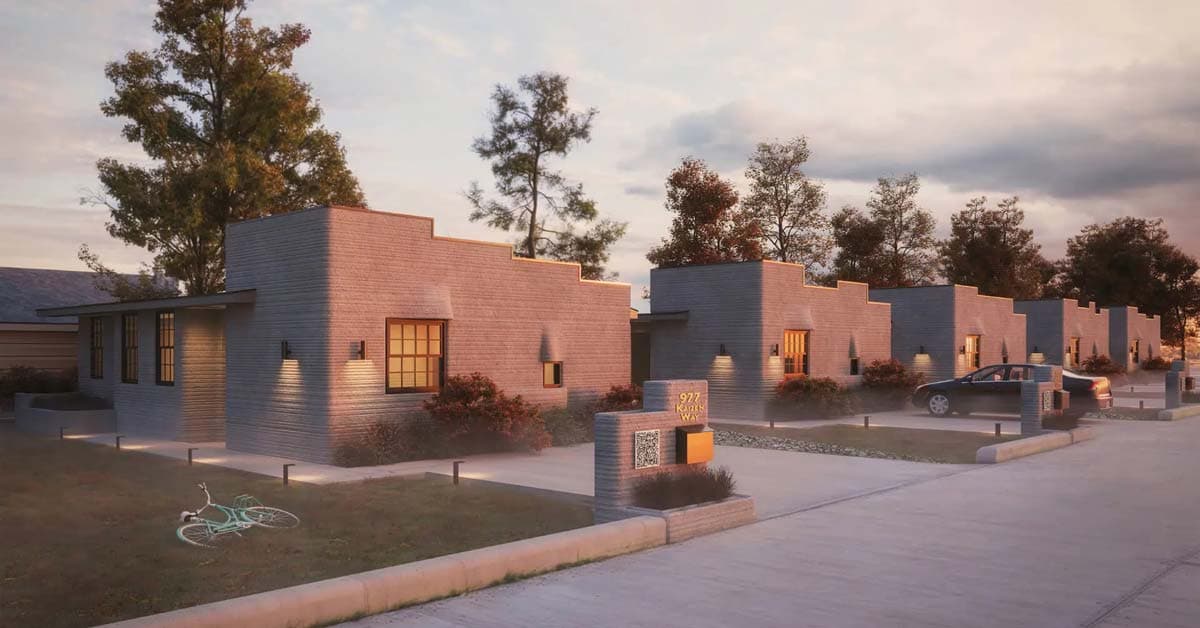
4dify and Endemic Architecture completed the main 3D printing work on the first house of Corduroy Castles, a five-home micro-community in Olivehurst. Using a large-scale concrete 3D printer, the team layered the 1,000-square-foot structure up to 13 feet high in about 24 days. With finishing and trades scheduled to follow, the developer estimated the full build for each home will take roughly four to six weeks with a small crew.
The project uses a concrete mix optimized for 3D printing and metal roofs with wood trusses for this phase. Developers say future designs may include printed concrete roofs to reduce flammable materials. Wall samples were reportedly tested ballistically, and the developer estimates the printed walls resist water, fire, wind, mold, pests and bullets. The planned listing price for each home is estimated at $350,000 to $375,000, positioning the project as an experiment in faster, lower-cost resilient housing.
Corduroy Castles aims to show practical advantages of printed construction: speed of assembly, lower labor requirements during the shell phase, increased durability, and potential energy savings from continuous insulated concrete assemblies. The developer projects that one printing machine could produce eight to ten houses per year; scaling to ten machines could yield roughly 100 homes annually. The Olivehurst build serves as a case study for a planned larger Southern California duplex project, with lessons from this phase intended to streamline permitting, finishes and site workflows.
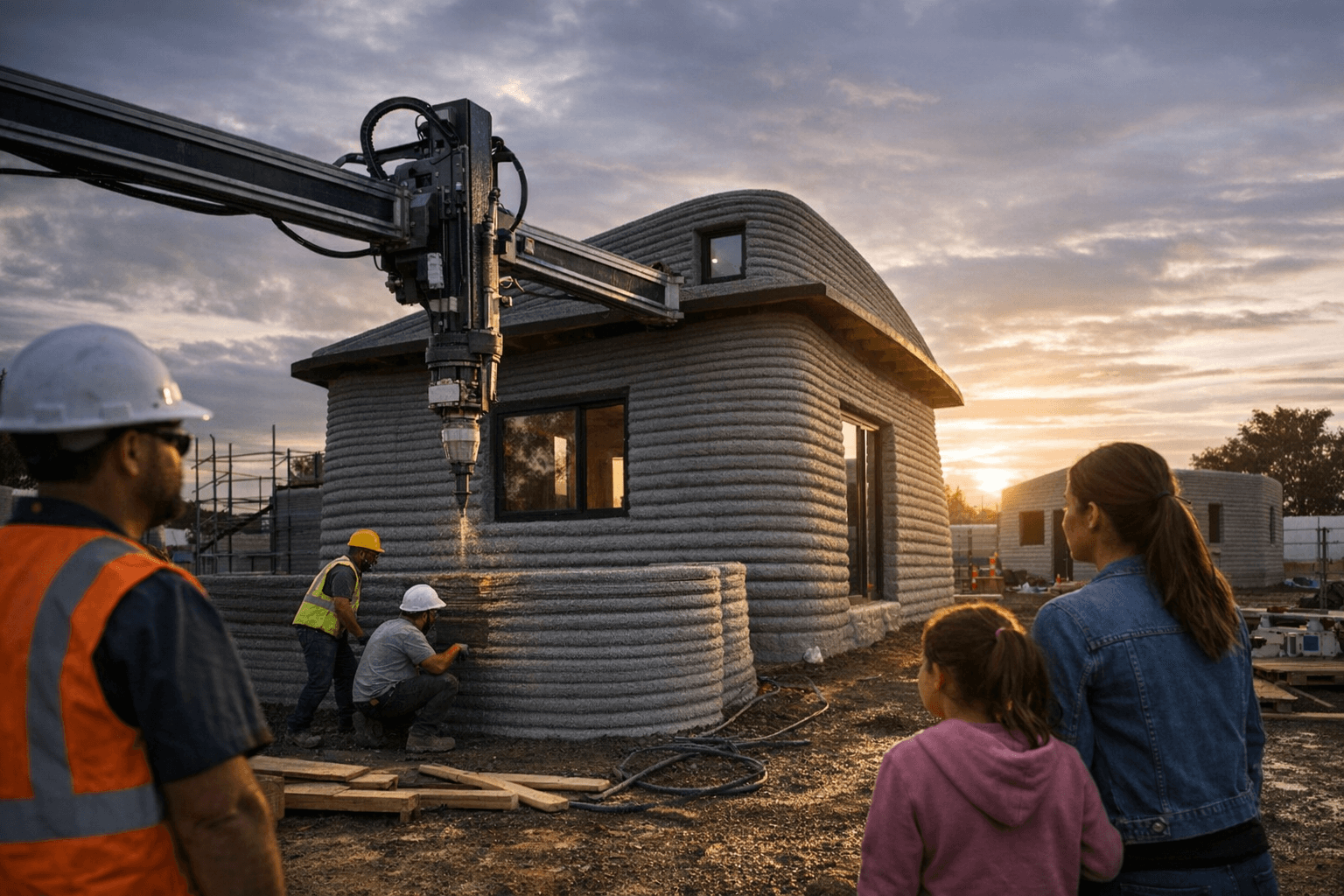
For community members and builders, the practical value is immediate. Faster envelope construction reduces schedule risk and labor costs during the most intensive phase of a build, while durable walls could lower maintenance and improve disaster resilience in fire- and flood-prone areas. Buyers and local officials will want documentation on material properties, thermal performance and the ballistic and fire testing cited by the developer. Verify local building codes and permitting requirements for printed structures, and plan for traditional trades—electrical, plumbing, HVAC—to integrate with printed wall systems during the finishing phase.
Corduroy Castles fits within a broader movement that applies 3D printing to affordable and resilient housing. If the reported timelines, durability claims and projected production rates hold up under inspection and permitting, printed concrete homes could offer a practical tool for communities seeking quicker, tougher housing options without the extended timelines and labor costs of conventional construction.
Sources:
Know something we missed? Have a correction or additional information?
Submit a Tip