Breggz debuts IMAX Enhanced Zohn-1 earbuds with 3D-printed shells
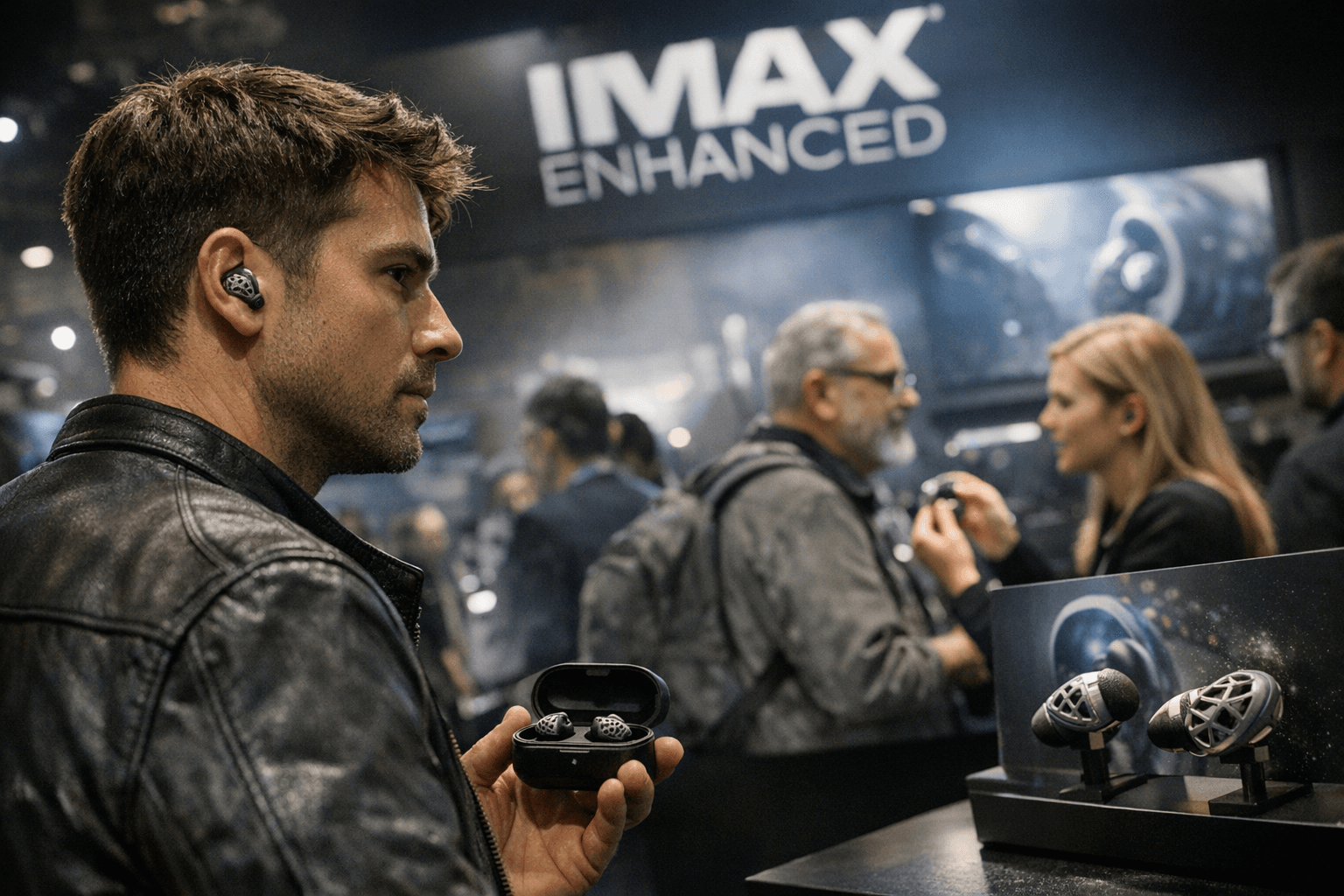
At CES 2026 in Amsterdam, Breggz unveiled the Zohn-1 in-ear headphones, touting IMAX Enhanced and DTS certification and the use of custom 3D-printed shells to cut audio leakage without active noise cancellation. The Zohn-1 packs balanced armature drivers, an integrated hearing test for personalized tuning, and multiple ear-tip sizes, and is listed at €895 but is temporarily sold out.
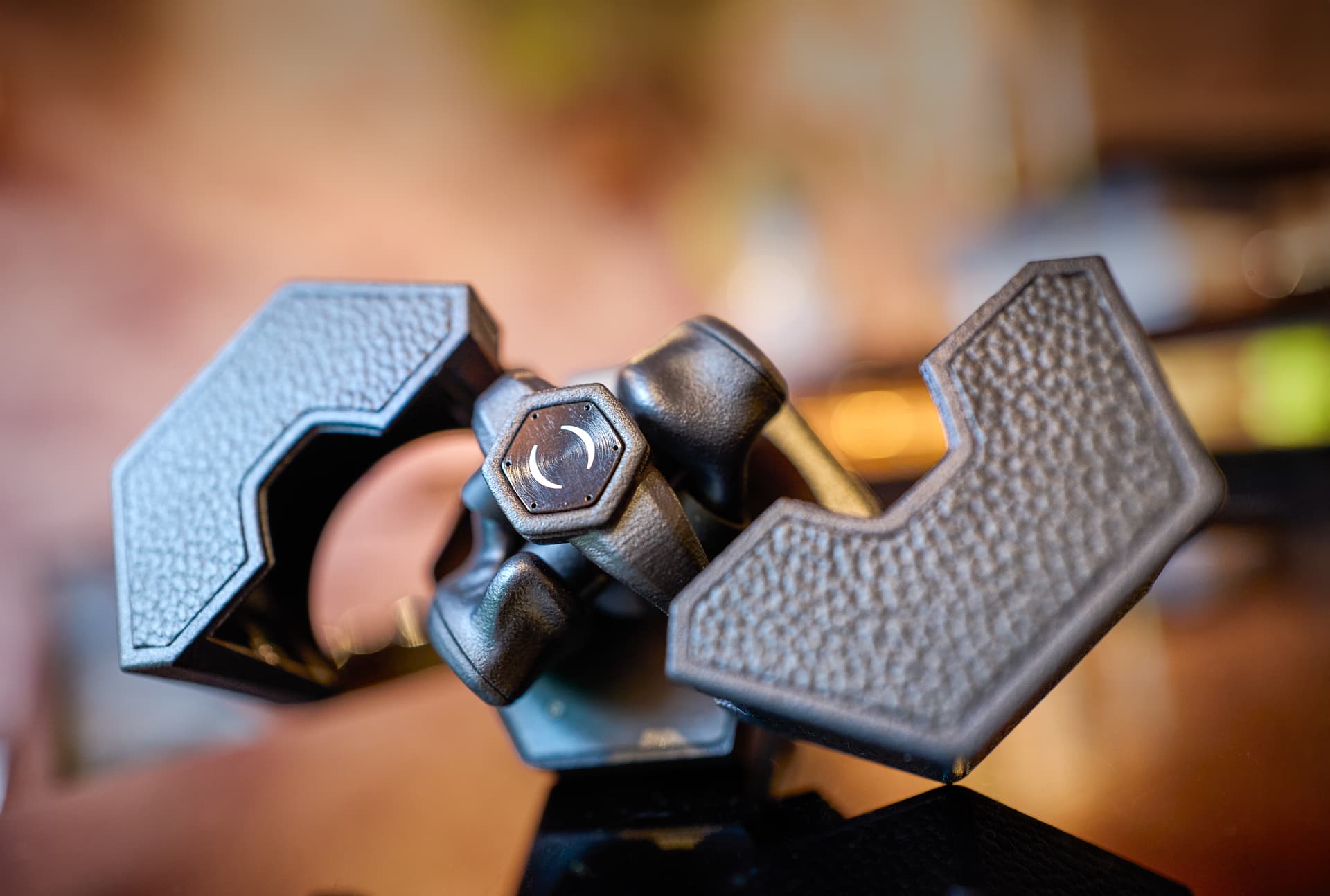
Breggz used the CES 2026 stage in Amsterdam to introduce the Zohn-1, a premium in-ear design that leans on physical fit and precision shells rather than active noise cancellation to control leakage and improve isolation. The company presented the product as IMAX Enhanced and DTS certified, positioning it for listeners who prioritize immersive audio and accurate sound staging in compact packages.
The Zohn-1 ships with multiple ear-tip sizes and balanced armature drivers, and includes an integrated hearing test to deliver personalized tuning. Breggz also showed a distinctive carrying case alongside the earbuds, highlighting accessory design as part of the overall product experience. The headphones are listed at €895 on the company site but were temporarily sold out at launch. Earlier crowdfunding runs and prior estimates pointed to higher target prices, suggesting the company has been refining both design and pricing through iterative production.
For the 3D printing community, the Zohn-1 offers a clear, contemporary example of how additive manufacturing fits into consumer audio development. Breggz used custom 3D-printed shells to shape the physical interface between driver and ear, improving seal and directing sound in ways that reduce leakage without relying on electronics for noise control. That approach illustrates two practical advantages of 3D printing: rapid prototyping across multiple geometries, and low-volume production of complex, tightly fitting parts that would be costly or slow with injection molding.
If you design or mod audio gear, the Zohn-1 is a reminder to prioritize mechanical fit and acoustic geometry before adding electronic complexity. 3D-printed shells allow faster iteration on shell volume, nozzle placement, and venting, and make one-off or small-batch custom shells feasible for consumer product runs or bespoke fittings. For local makerspaces and small shops, those opportunities lower the barrier to offering custom-fit solutions for audiophiles and hearing-impaired listeners who benefit from personalized tuning.
Breggz’s move also signals demand for premium, physically tuned earphones in a market crowded with noise-cancelling alternatives. For developers and enthusiasts working with 3D-printed components, the Zohn-1 highlights where craftsmanship, materials selection, and fit-driven design can deliver measurable listening benefits and a clear product differentiator.
Sources:
Know something we missed? Have a correction or additional information?
Submit a Tip