Alamance Marks North Carolina 250th, History Programming Aims Inclusion
Alamance County has launched ongoing programming tied to North Carolina's 250th anniversary, featuring historic site exhibits, Declaration Stories essays, and local commemorations connected to the Battle of Alamance. The efforts aim to support education and tourism, and they raise questions about accessibility, public health planning, and equitable community engagement.

Alamance County has rolled out a sustained slate of history focused programming as part of North Carolina's 250th anniversary initiative, offering exhibits, historic site visits, community storytelling projects, and essays organized under the Declaration Stories theme. Local commemorations connected to the Battle of Alamance are included among events intended for residents and visitors, and travel and visitor information is being promoted to help people plan attendance.
The programming is framed as an ongoing county resource for history driven educational content and travel planning, with materials designed to link Revolutionary era history to site based experiences. For local schools, civic groups, and families, the schedule creates new opportunities for curricula and community events. For the county economy, an increase in heritage tourism can bring revenue to small businesses and cultural sites. Those benefits come with responsibilities for organizers and local government to ensure events are safe and accessible.
Public health implications are immediate and practical. Gatherings at historic sites and exhibits can increase demand for crowd management, restroom and sanitation services, and timely public information about communicable disease precautions during respiratory illness seasons. Planning that anticipates needs for hand hygiene stations, clear signage about health guidance, and coordination with local clinics and public health officials will reduce risk for older residents and people with chronic health conditions who may attend.
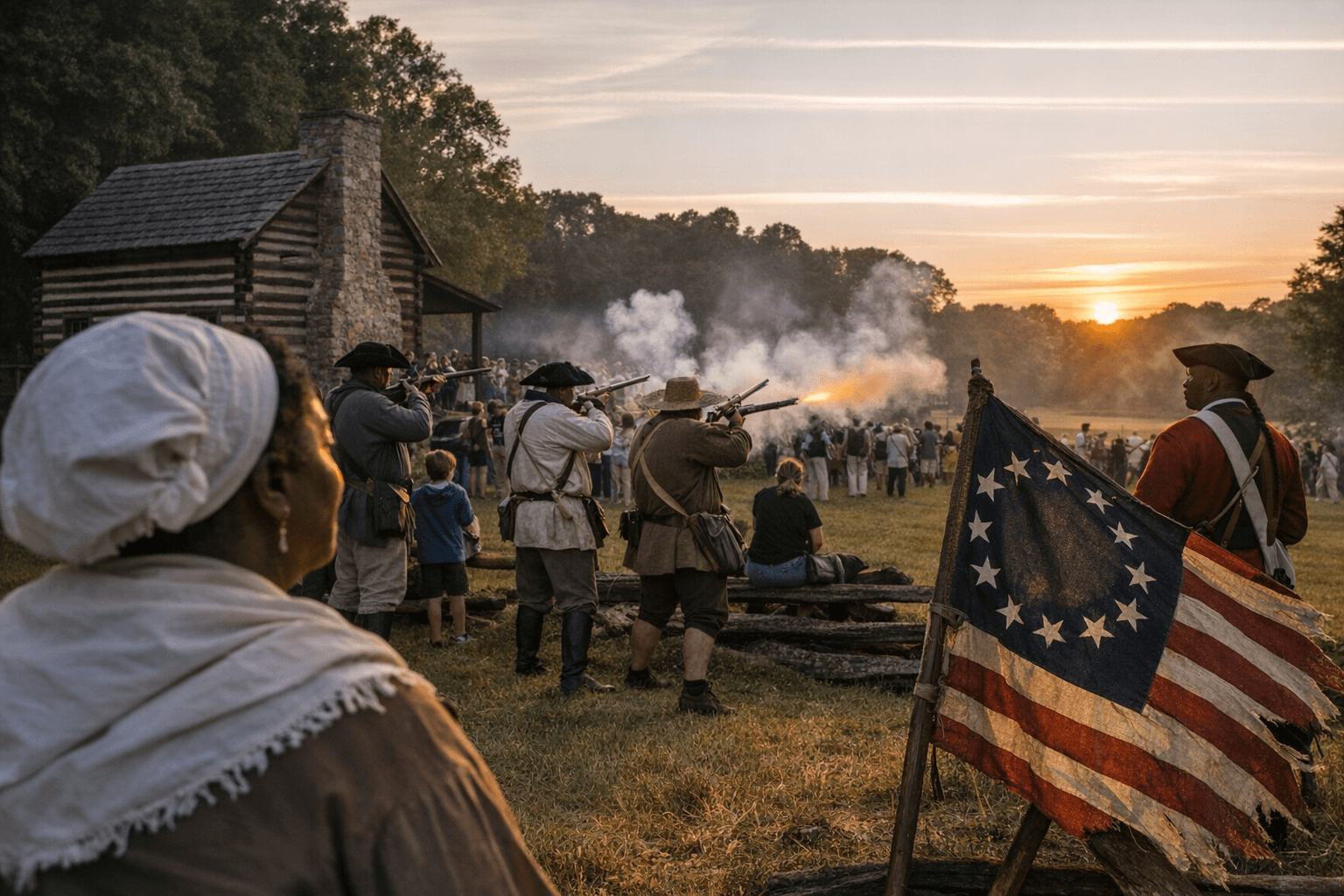
Social equity concerns are central to how these programs are received. Inclusive storytelling that acknowledges diverse perspectives from the Revolutionary era will determine whether programming strengthens community cohesion or leaves parts of the population feeling excluded. Accessibility for people with mobility limitations, language support for non English speakers, and affordable or free entry options for low income residents are policy choices that influence who benefits from the anniversary activities.
As the county moves forward, coordinating historical programming with public health planners, schools, social service providers, and disability access advocates can maximize educational and economic gains while protecting community well being. Presenting these events as an ongoing resource allows local organizations to build partnerships that center equity, safety, and broad participation in Alamance County history.
Sources:
Know something we missed? Have a correction or additional information?
Submit a Tip