American Pickleball Organizer Boosts Rural Japan Through Dedicated Tours
Daniel Moore, an American-born, Japan-based former national amateur champion, has turned his love of pickleball into a travel and community program that runs about 20 tours a year across Japan and overseas. His Pickleball Trips initiative has brought players into lesser-known towns, strengthened local clubs, and even prompted municipal leaders to consider permanent courts.
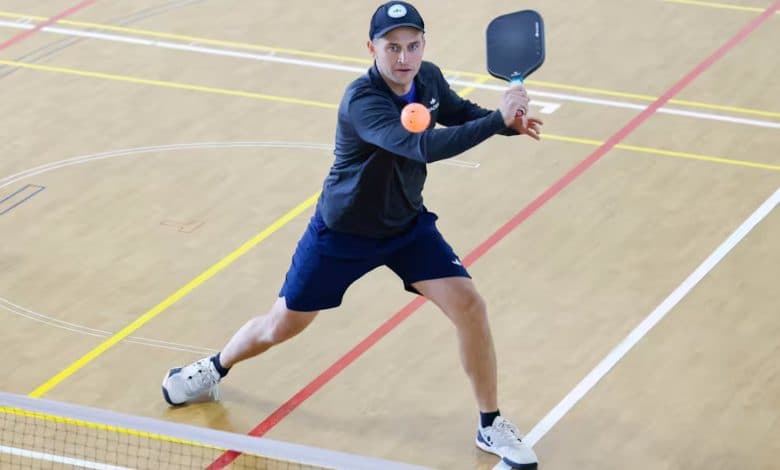
Daniel Moore moved from competing in U.S. amateur national events to crafting a hybrid career that blends tour guiding with grassroots pickleball promotion. Rather than pursue full-time professional play, Moore launched Pickleball Trips and now operates roughly 20 tours annually, using sport-focused travel as a vehicle to introduce visitors to smaller Japanese communities and support nascent local pickleball scenes.
Moore’s model routes players through towns that seldom see international tourists, arranging matches, clinics and social play that connect visitors with local residents. Organizers say the arrivals bring new court time, equipment purchases and volunteer energy to community clubs, helping justify calls for more permanent facilities. That economic and social ripple has become a selling point for local governments looking to diversify tourism and encourage active recreation.
The impact was visible in Yamanouchi, a mountain town in Nagano Prefecture where Moore has staged tours and joint events with residents. Gaku Hirasawa, mayor of Yamanouchi, said, "Moore’s activities have encouraged the town to consider a dedicated pickleball court." Municipal interest in a fixed facility reflects a wider pattern: temporary play and visiting groups can reveal latent local demand and spur investment that benefits everyday players as well as tourists.
For players and community organizers across Asia, Moore’s work offers a practical template. Travel programs can plug into local clubs to deliver coaching and match play, creating measurable increases in court usage that municipalities can cite when seeking funding or repurposing existing facilities. Moore’s tours also provide ready-made participation spikes during off-season tourism periods, which helps justify year-round facility maintenance and programming.
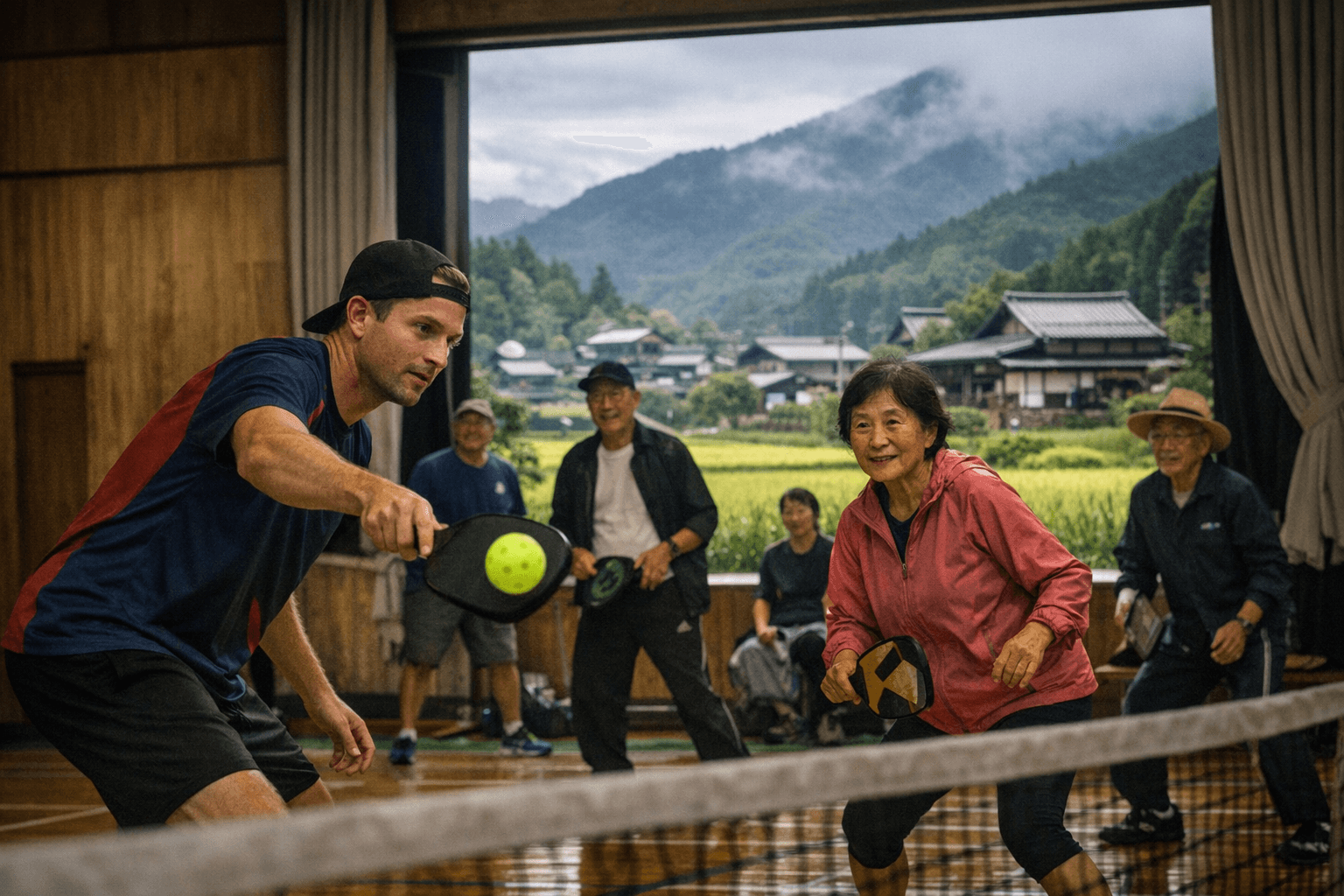
Pickleball Trips remains small enough to customize itineraries but large enough to draw consistent visitor groups. That scale allows Moore to balance respect for local culture with the energy international players bring. For local leaders, the message is straightforward: welcoming small, sport-focused tour groups can translate into sustained community benefits, from part-time jobs and court bookings to stronger volunteer clubs.
As pickleball gains traction in Asia, hybrid approaches like Moore’s are accelerating grassroots growth. Building connections between tourism operators, municipal leaders and local clubs will shape where courts appear next and how communities use them year-round.
Sources:
Know something we missed? Have a correction or additional information?
Submit a Tip