Ansel Hall Ruin, Local Heritage and Preservation Challenges for Dolores County
The Ansel Hall ruin near Cahone is a Pueblo II period archaeological site dated to roughly AD 1050 to 1150 and it is listed on the National Register of Historic Places. Its cultural value creates opportunities for heritage tourism in Dolores County, while also requiring stronger stewardship, monitoring, descendant community engagement, and funding to protect the fragile site.
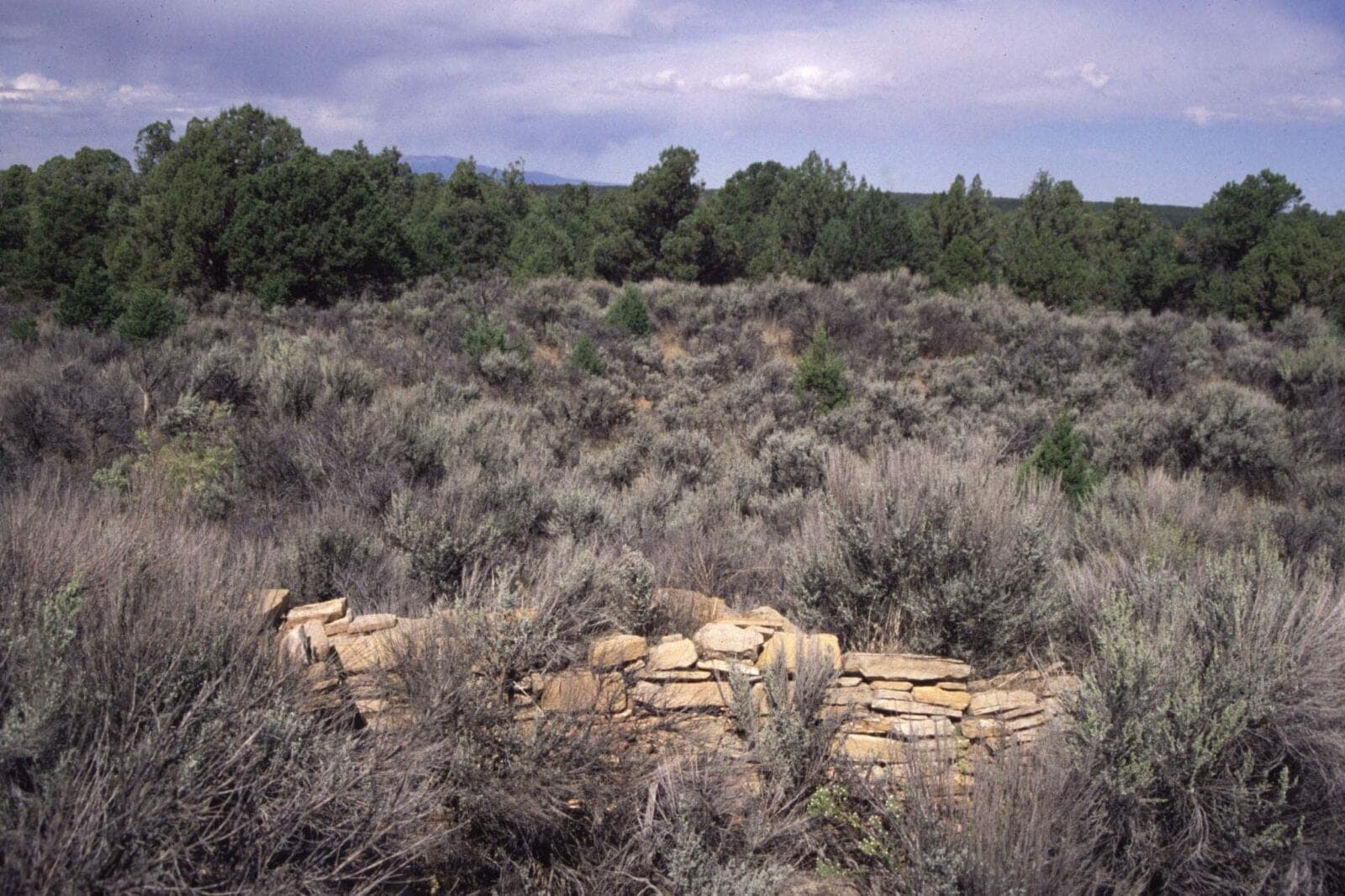
The Ansel Hall ruin just outside Cahone is a recognized archaeological resource from the Pueblo II period, roughly AD 1050 to 1150, and carries the formal status of a National Register of Historic Places listing. That designation acknowledges the site as culturally and historically significant and makes its management a local responsibility with implications for conservation, public access, and the county economy.
For Dolores County residents the site has multiple dimensions. Heritage interpretation and modest tourism can provide visitor spending in small towns, support for local guides and museums, and a reason for infrastructure improvements. At the same time the ruins are fragile. Protecting masonry, pottery fragments, and contextual deposits requires routine monitoring, clear on site signage, active engagement with descendant communities, and sustainable funding sources. National Register listing can open eligibility for certain grants and technical assistance, but local planning and resources determine whether protections are effective.
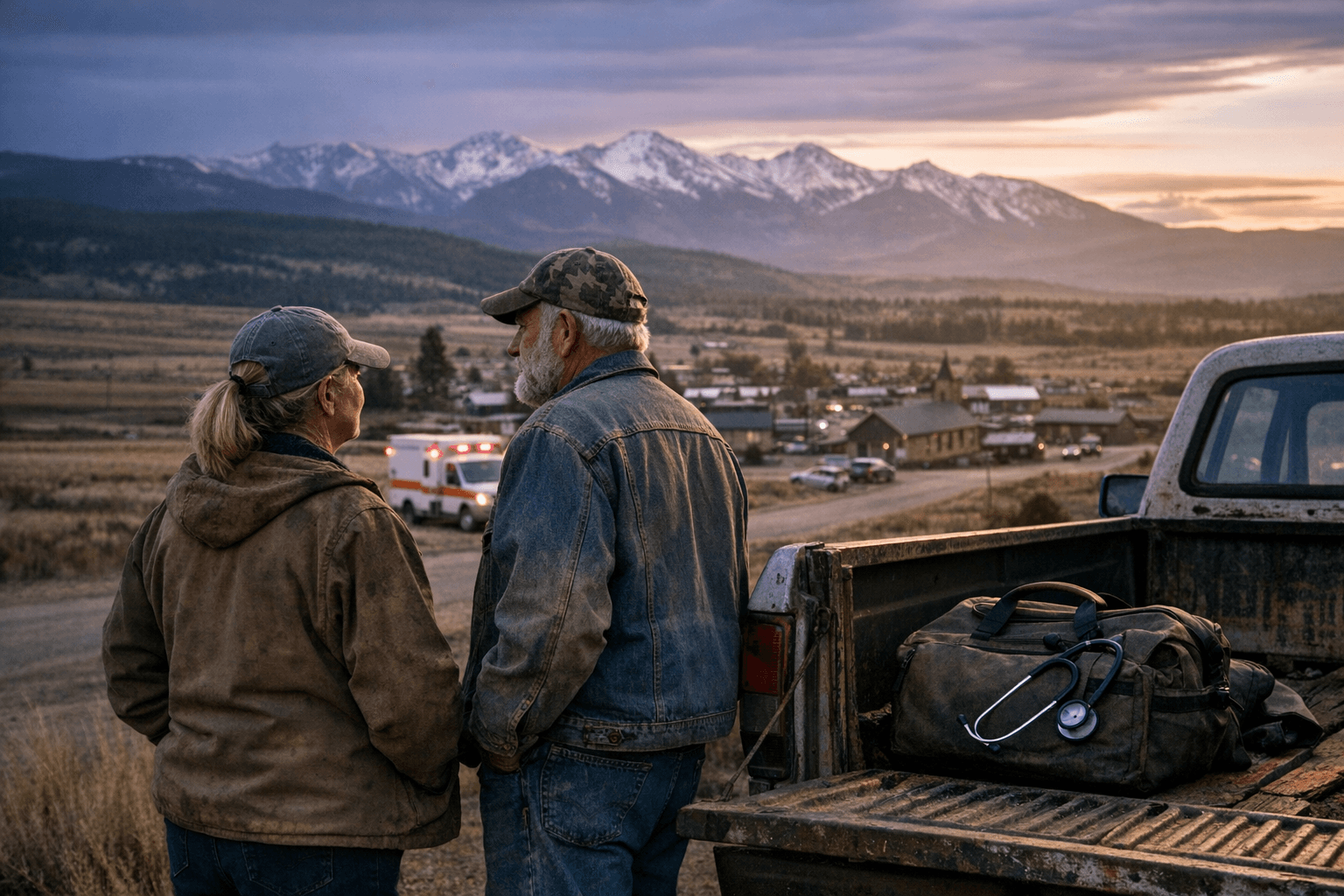
Practical guidance for visitors and local planners is straightforward. Visitors should check the Bureau of Land Management, Canyons of the Ancients, and History Colorado for current access rules and maps, follow posted signage on site, practice leave no trace, and plan for remote conditions and limited services when visiting. Emergency response times and facility access are limited in this part of the county, so self sufficiency and careful trip planning reduce risk to people and site resources.
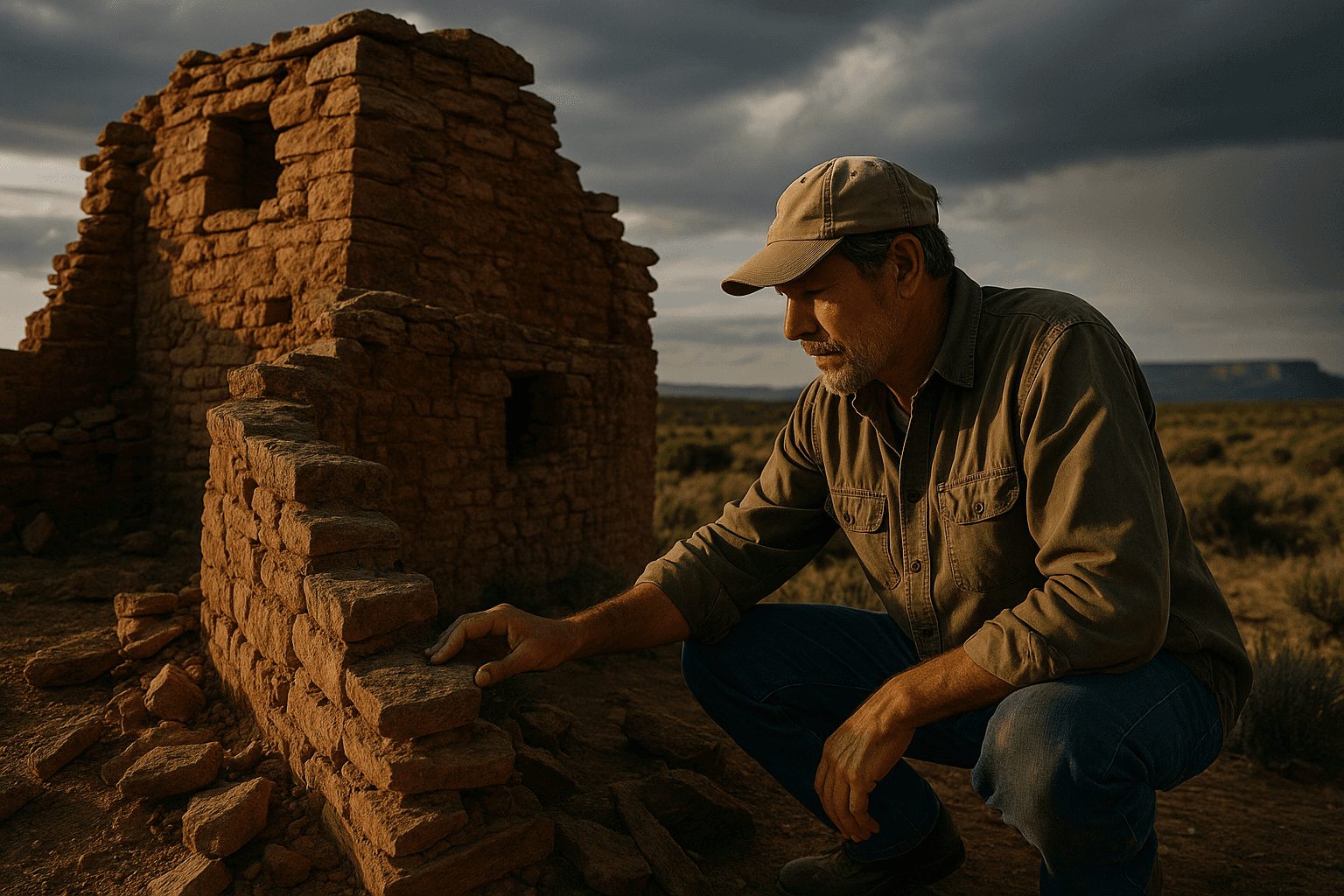
Policy choices matter. Investing in monitoring and interpretive signage reduces damage from unintentional visitors and channels tourism to economic benefit while respecting cultural values. Engaging descendant communities in interpretation and stewardship increases local legitimacy and can improve conservation outcomes. Without those investments, increased visitation could accelerate wear on archaeological deposits and raise management costs.
Long term, Dolores County faces familiar trade offs between economic development and preservation. The Ansel Hall ruin demonstrates how rural places can gain from heritage interest, provided that funding and planning follow recognition. Responsible stewardship now will shape whether this example becomes a lasting community asset or an avoidable loss.
Sources:
Know something we missed? Have a correction or additional information?
Submit a Tip