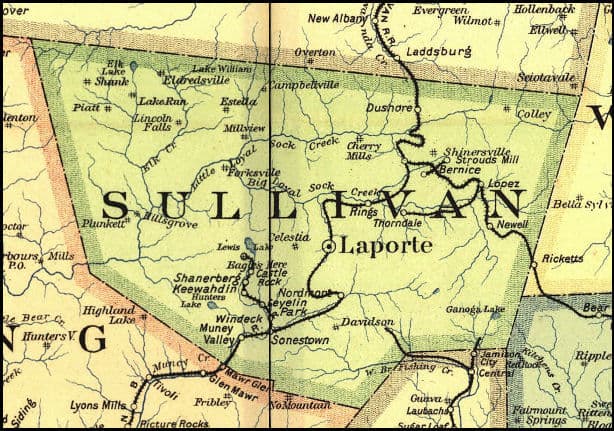
Arctic Blast Brings Record Cold To Sullivan County Towns
A sharp push of arctic air on the morning of December 9 brought the coldest readings of the season to Sullivan County, with several towns dipping well below zero. The deep freeze disrupted travel and heightened health risks for people and animals, underscoring local needs for timely alerts and support for vulnerable residents.
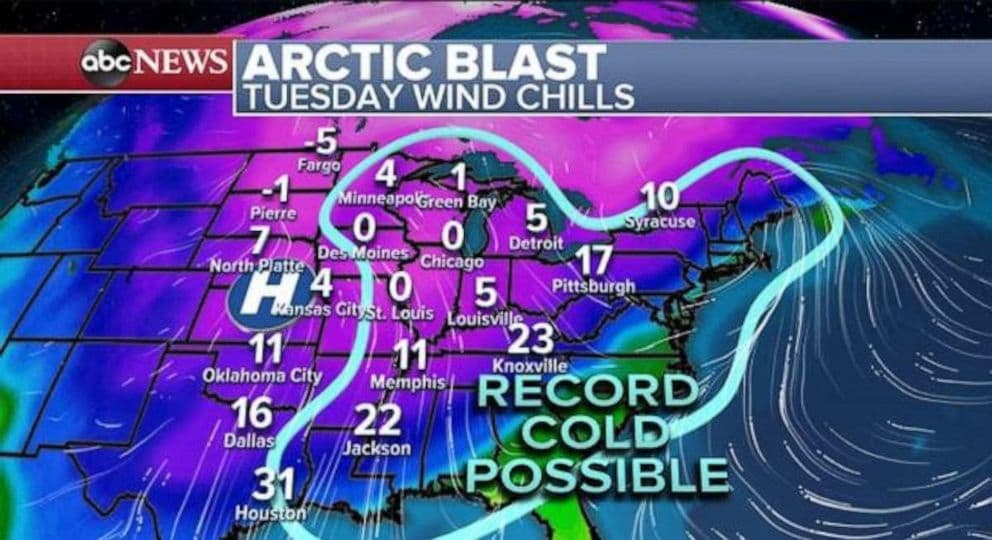
Sullivan County woke to a stark reminder of winter on December 9, when an arctic air mass produced the coldest readings so far this season. Local meteorologists measured temperatures that morning dropping into the teens and twenties below zero in northern New Hampshire, and several communities in Sullivan County recorded particularly frigid lows. Newport fell to 13 degrees below zero Fahrenheit, Grantham reached 12 degrees below zero Fahrenheit, Charlestown registered 12 degrees below zero Fahrenheit, Meriden fell to 9 degrees below zero Fahrenheit, Sunapee dipped to 7 degrees below zero Fahrenheit, and Claremont measured 6 degrees below zero Fahrenheit. Statewide, Errol recorded the coldest reading at 26 degrees below zero Fahrenheit.
The early season cold tightened the snowpack and made road travel more hazardous, with icy surfaces and reduced visibility reported across the region. Transportation officials advised drivers to allow extra travel time and to avoid nonessential trips when temperatures were at their lowest. Power demand rose as households heated homes, drawing attention to emergency preparedness and the capacity of heating assistance programs to respond when extreme weather arrives.
Public health implications were immediate. Prolonged exposure to temperatures this low increases the risk of hypothermia and frostbite, particularly among older adults, people with chronic medical conditions, and those experiencing housing instability. Local healthcare providers and public health officials urged residents to check on neighbors and family members who may have difficulty maintaining safe indoor temperatures. Pet owners were advised to limit outdoor time and to provide insulated shelter and warm bedding.
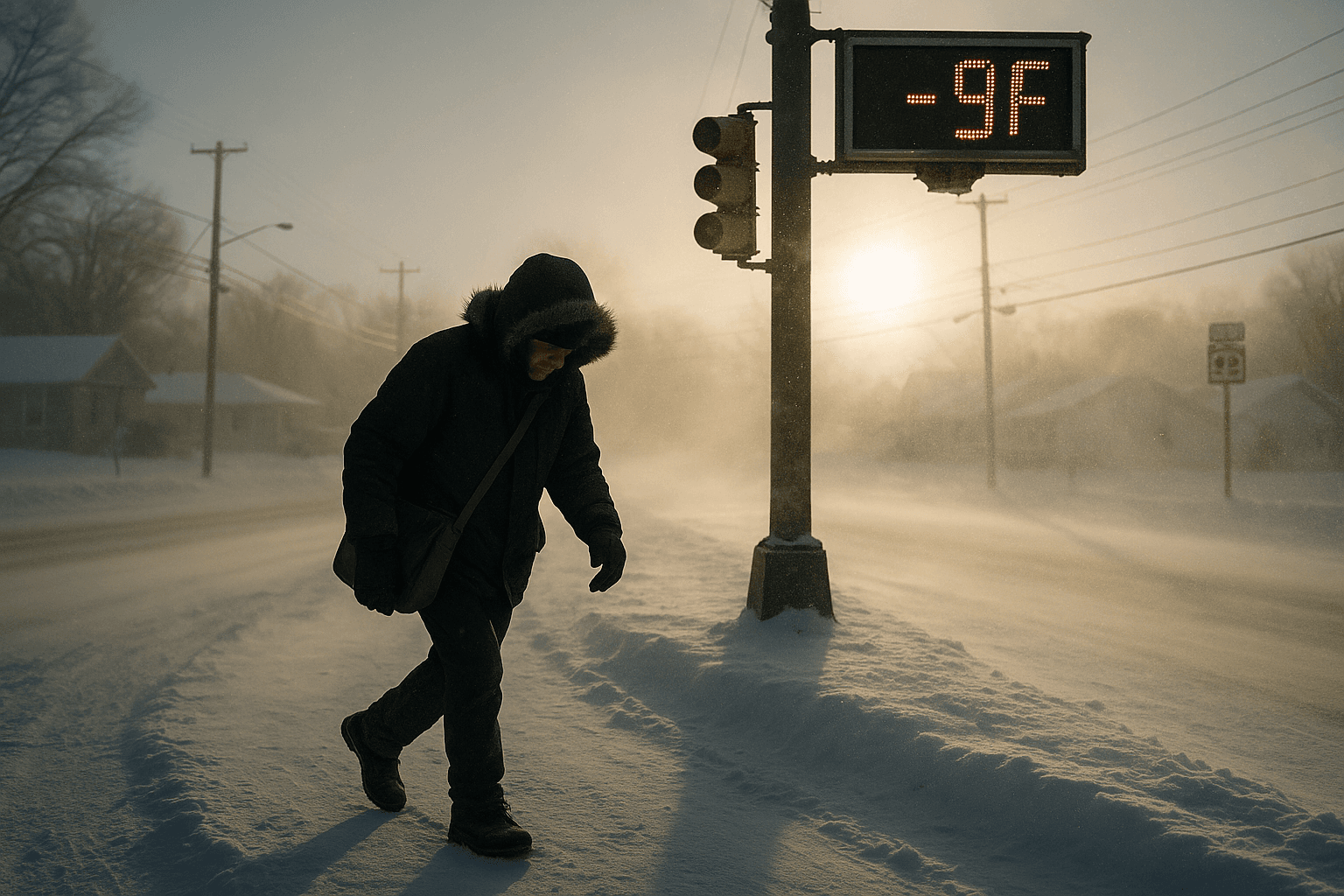
The event also highlighted broader policy and equity concerns. Cold snaps strain emergency services and utility systems, and they expose gaps in access to reliable heating for low income households. Community leaders said the episode reinforces the need for coordinated outreach, expanded heating assistance, and clear protocols to protect people who are most at risk.
Residents were encouraged to monitor local alerts and to use mobile weather and emergency apps for rapidly changing conditions. Practical steps included dressing in warm layers, keeping emergency kits in vehicles, preparing backup heating plans, and arranging welfare checks for vulnerable neighbors. As winter continues, the county faces both immediate safety tasks and longer term choices about how to invest in resilience and equity in the face of extreme cold.
Sources:
Know something we missed? Have a correction or additional information?
Submit a Tip